Points of Light guide shows how VTO strengthens corporate volunteer pipelines
VTO works best when nonprofits stop selling a feel-good day and start selling a repeatable shift. For A Simple Gesture, that means route-ready teams, clear asks, and fewer one-off headaches.
Why VTO is more than a perk
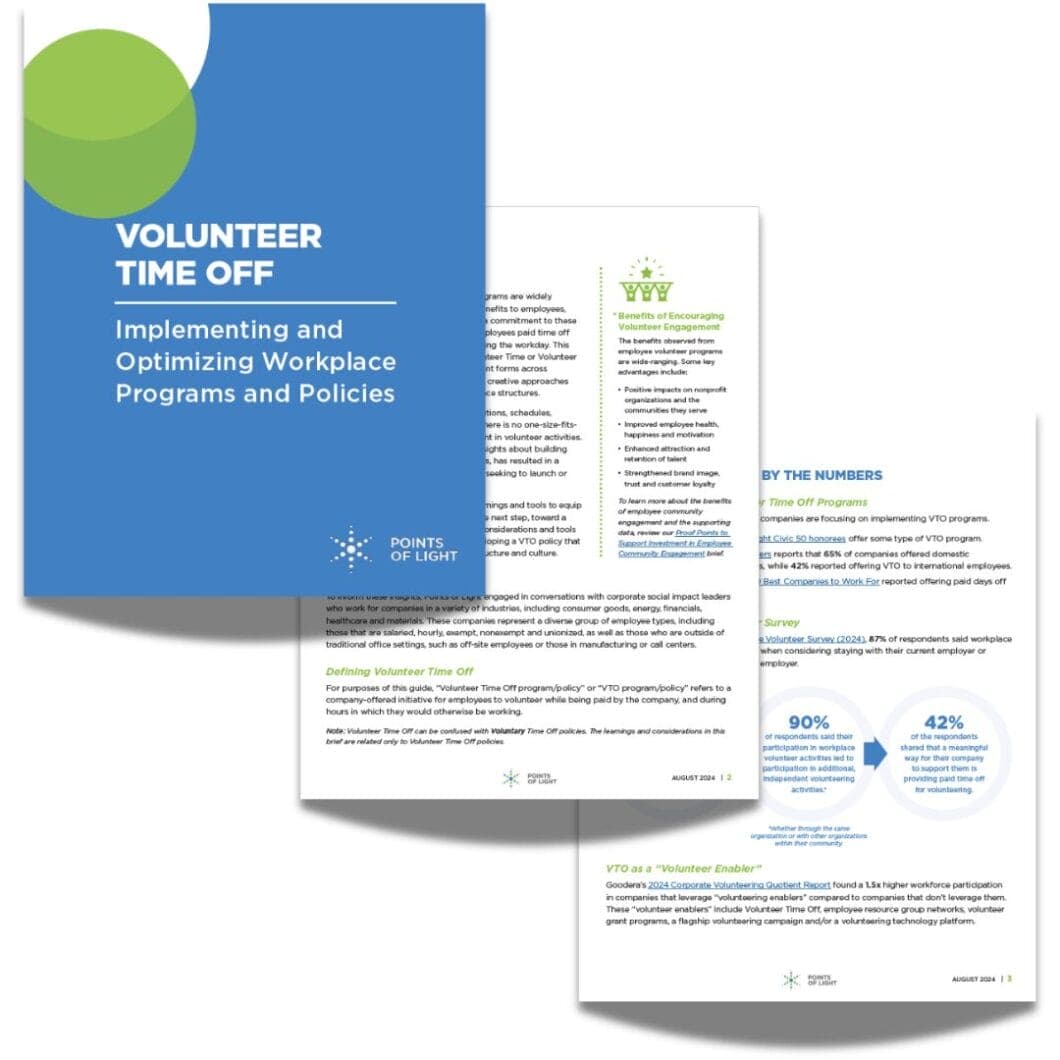
Volunteer time off is one of the clearest ways a company can turn good intentions into scheduled labor, and Points of Light’s guide makes the case that it works best when it is treated like an operating system, not a one-off benefit. The guide defines VTO as paid time employees can use to volunteer during working hours, and it argues that the value runs in three directions at once: employees gain purpose, companies gain retention and trust, and communities get reliable help.
That matters in food recovery because the hardest part is often not the mission, but the logistics. A Simple Gesture depends on people who can show up on time, follow a route, sort donations, and keep pantry partners supplied without creating more coordination work for staff. If VTO is handled well, it can become a dependable source of recurring help instead of another calendar event that disappears after the photo op.
What the guide says companies actually respond to
Points of Light is explicit that there is no one-size-fits-all VTO model. Employee locations, schedules, responsibilities, skillsets, and passions all shape what a workable program looks like, which is why a plant floor, a call center, and a remote office cannot be treated the same way. The guide was informed by conversations with corporate social impact leaders across consumer goods, energy, financial services, healthcare, and materials, a reminder that this is not a niche perk for one kind of office culture.
The business case is also blunt. The guide points to improved employee health, happiness, and motivation, stronger attraction and retention of talent, and better brand image, trust, and customer loyalty. In practice, that means a nonprofit pitch should not begin with sentiment alone. It should explain how a volunteer shift can help a company meet real employee-experience goals while doing useful work in a defined neighborhood, pantry network, or food recovery route.
The numbers companies cannot ignore
The pressure point is already there. Points of Light says only 65 percent of companies offer VTO to domestic employees, even as Deloitte’s Workplace Volunteer Survey found that 95 percent of U.S. office professionals said making a positive community impact is important to them. That gap is the opening for nonprofits that can offer a clean, manageable volunteer ask.
Deloitte’s survey also showed how closely volunteer access is tied to retention and engagement. Eighty-seven percent of respondents said workplace volunteer opportunities matter when deciding whether to stay with an employer or pursue a new one, 91 percent said those opportunities can improve their overall work experience and connection to their employer, and 90 percent said workplace volunteering led them to do more independent volunteering later. In other words, one good company volunteer experience can build a pipeline for future service, both inside and outside the workplace.
What A Simple Gesture can offer employers
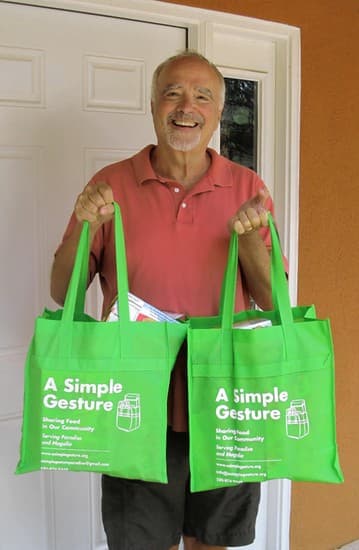
A Simple Gesture is built for this kind of partnership. Founded in 2015, the organization says it has more than 60 chapters across the country and has provided over 7 million meals. Its model is practical: volunteer drivers collect food from donors’ doorsteps and deliver it to food pantries, schools, and nonprofits, while the organization also recovers surplus food from grocery stores, school cafeterias, restaurants, caterers, and corporate cafeterias.
- a packing shift
- a bag-sorting session
- a neighborhood route support day
- a pantry distribution shift
- a food-drive collection event
That gives corporate partners several clean entry points. A company does not need to invent a custom program from scratch. It can choose from short, clearly scoped shifts such as:
Those options matter because they match the reality of VTO. A salaried team may have the flexibility for a morning route or a half-day sort. An hourly or shift-based workforce may need shorter blocks. Unionized employees, off-site staff, and call-center teams may need volunteer opportunities built around predictable windows and specific task lists. The lesson from Points of Light is straightforward: design for the workforce you actually have, not the one you wish you had.
How to pitch the program without making it harder to say yes
The strongest pitch is concrete. Employers are more likely to approve a volunteer partnership when they can see the time commitment, the location, the supervision plan, and the outcome. For A Simple Gesture, that means leading with one small, repeatable assignment instead of a broad invitation to “help fight hunger.”
- the length of the shift
- the number of employees needed
- whether the work is indoor, outdoor, or route-based
- what training is required
- what success looks like, such as packed bags, completed pickups, or a pantry restock
A good employer-facing pitch should include:
That framing respects corporate scheduling and makes it easier for managers to release employees under VTO policies. It also helps A Simple Gesture avoid the common trap of a volunteer day that looks generous on paper but drains staff time because the assignment was vague, the group was too large, or the work did not match the site’s actual needs.
The best-fit corporate roles are not all the same
The guide’s value for A Simple Gesture is that it pushes planners to think in terms of fit. A corporate volunteer team can be deployed differently depending on the workforce. A group with strong physical availability may be ideal for loading, sorting, or route support. A team with customer-facing or analytical skills may be better suited to planning a food drive, organizing donor communications, or helping refine a route day process.
That flexibility is especially important in food recovery, where staff time is precious and volunteer labor has to reduce friction, not add it. A Simple Gesture says it is always in need of drivers, and its Guilford County site also invites businesses, civic groups, and faith communities to host food drives. Those are not backup options. They are the partnership infrastructure that keeps the food moving when a single route or pantry partner needs more hands.
Why this becomes a pipeline, not a one-off event
The real value of VTO is repeatability. Deloitte’s finding that 90 percent of respondents who volunteered through work later did more independent volunteering suggests that one good workplace event can lead to more involvement later. For A Simple Gesture, that is the difference between a group that comes once for a photo and a company that returns every quarter with new drivers, a food drive, and a manager who already knows the process.
That is also why the organization should keep speaking the language of employee engagement, not just volunteerism. When a nonprofit can show employers that a defined shift helps employees feel connected, gives managers an easy win, and produces measurable food recovery, VTO stops being an HR perk and starts functioning like a labor pipeline. For A Simple Gesture, that is how a corporate relationship turns into steady routes, steadier pantry deliveries, and a larger share of the 7 million-meal story still to come.
This article was produced by Prism’s automated news system from verified source data, official records, and press releases, then run through automated quality and moderation checks before publishing. The system is built and supervised by the people who set the standards it runs under. Read our full AI policy.
Did this article answer your question?