Pregnant workers fairness rules raise accommodation duties for nonprofits
Pregnancy accommodations are now a routine management duty, not a favor, and green-bag nonprofits like A Simple Gesture need a plan for route work, lifting, and volunteer shifts.
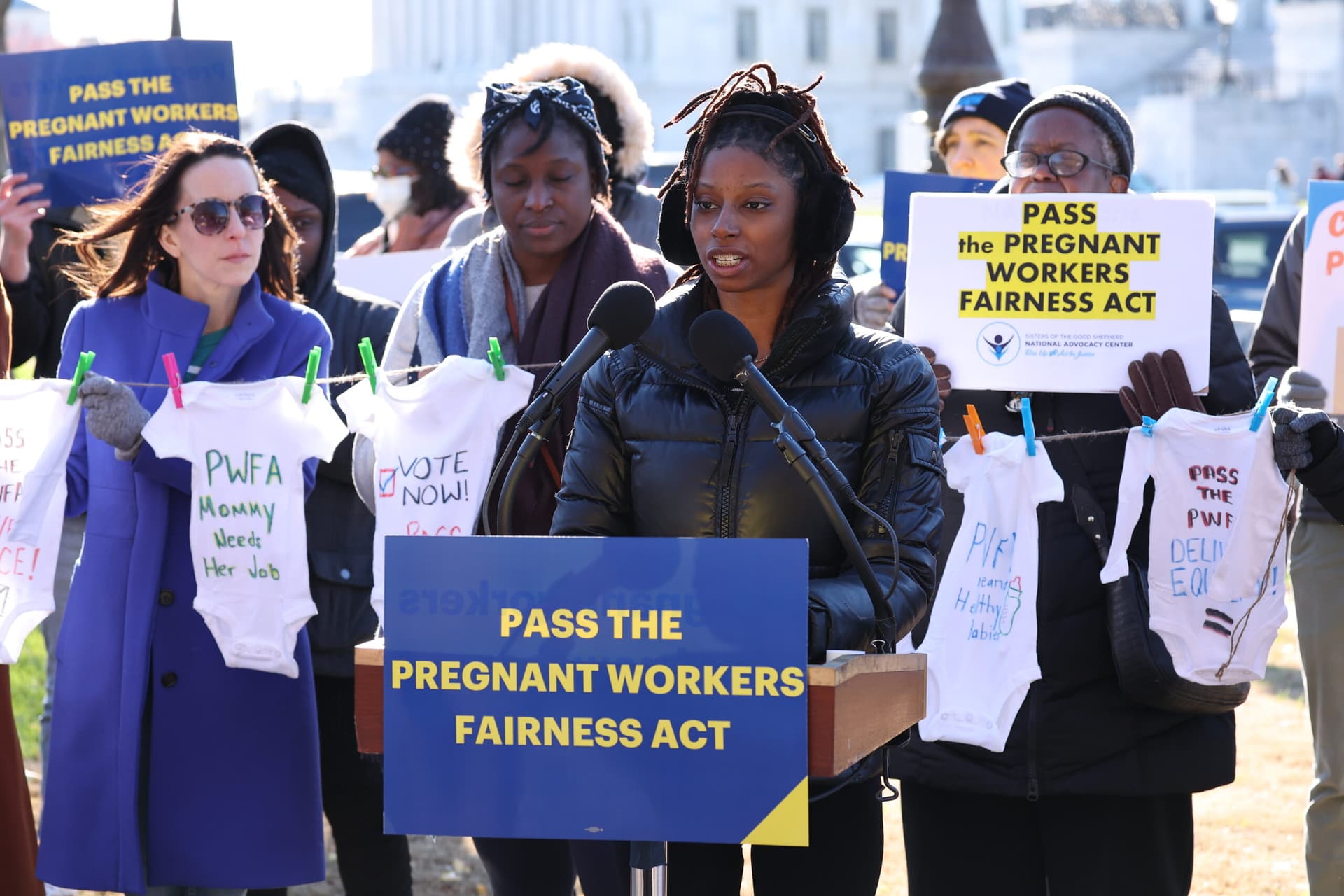
Lifting green bags, standing at donation sites, sorting food, driving pickup routes, staffing evening volunteer shifts, and showing up at community events are part of the daily realities at a nonprofit like A Simple Gesture. Under the Pregnant Workers Fairness Act, covered employers must provide reasonable accommodations for a qualified employee’s or applicant’s known limitations tied to pregnancy, childbirth, or related medical conditions unless the change would create an undue hardship.
At a nonprofit like A Simple Gesture, one missed shift can ripple across pantry deliveries and neighborhood coverage.
What the law now requires
The PWFA applies to most employers with 15 or more employees, which means many nonprofits fall under it even if they run lean staffs and rely heavily on volunteers. President Joe Biden signed the law on December 29, 2022. It went into effect on June 27, 2023, and the Equal Employment Opportunity Commission began accepting charges under it that same day.
The EEOC issued its final regulation on April 15, 2024. That rule was published in the Federal Register on April 19, 2024, and took effect on June 18, 2024. Before that final step, the agency had released a proposed rule on August 11, 2023.
When a worker says pregnancy, childbirth, or a related medical condition is affecting the job, the employer has to engage in an interactive process and think about workable adjustments. The law does not replace other protections. Title VII and the Americans with Disabilities Act can still apply in some situations, and more than 30 states and cities have their own accommodation laws for pregnant workers.
What counts as an accommodation in practice
A reasonable accommodation can be a change in the work environment or in the way work is ordinarily done. In a nonprofit setting, it can be as ordinary as shifting a route assignment, swapping a heavier lifting task, changing a start time, reducing exposure to a strong-smelling storage area, or allowing a seated role during an event.
Morning sickness, fatigue, postpartum recovery, postpartum depression, and lactation-related needs can all fall within the statute’s protections. That can mean a coordinator needs a closer bathroom break schedule, a driver needs fewer consecutive hours behind the wheel, or a staff member handling donor outreach needs time and space to pump.
A one-size-fits-all reaction, such as pulling someone off all field work the moment they raise a concern, can be as disruptive as it is unnecessary. The better response is to ask what the worker can still do, what has become difficult, and what temporary adjustment would keep the operation moving safely.
How this looks on a green bag route
A Simple Gesture’s model depends on predictable neighborhood pickup routes and coordinated volunteer labor. If a staff member or coordinator is sorting heavier donations, carrying bins to a pantry partner, or spending long hours loading and unloading vehicles, the employer has to consider whether those duties can be redistributed without pushing the worker out.

The same is true for volunteer coordination. If someone normally trains volunteers on Saturday mornings, manages a pantry handoff, and then helps close down an event in the evening, that schedule can become harder during pregnancy or postpartum recovery. An employer that understands the law can redesign the week before a problem becomes a resignation.
When a worker can stay connected to route planning, donor communication, or pantry coordination with a modified assignment, the organization keeps experience in house and avoids the churn that comes from losing trained people at the exact point when neighborhood trust matters most.
What managers should do when someone asks for help
The PWFA works best when supervisors treat it as a conversation, not a verdict. The employee generally identifies the limitation and the adjustment needed, and the employer then weighs whether the request is reasonable or whether a specific burden would rise to undue hardship.
- document the request and the specific limitation
- talk through the work that is difficult, not just the diagnosis
- consider temporary changes in duties, hours, or location
- check whether another staffer or volunteer can absorb a physical task
- keep the worker in the loop instead of sending them home or sidelining them automatically
A practical response in a nonprofit setting looks like this:
Pregnancy accommodation decisions often involve ordinary tasks that are easy to overlook. A coordinator may be able to supervise volunteers but not haul boxes. A route worker may be able to plan pickup zones but not climb in and out of a truck all evening. A staff member may need a stool, lighter loads, or a schedule that avoids the longest route on a day when fatigue is severe.
Why culture matters as much as compliance
Pregnancy accommodations are part of normal employment, not a perk or a favor. In nonprofits, where employees and volunteers often work close to the edge of capacity, flexibility can be mistaken for favoritism.
A Better Balance called the PWFA the product of a decade-long movement and testified twice before Congress. The National Women’s Law Center has framed it as a major workplace protection, and the American Civil Liberties Union called June 27, 2023 a historic moment after more than a decade of advocacy.
The rule itself also drew internal disagreement at the EEOC, where Acting Chair Andrea Lucas criticized the breadth of the Commission’s interpretation.
This article was produced by Prism’s automated news system from verified source data, official records, and press releases, then run through automated quality and moderation checks before publishing. The system is built and supervised by the people who set the standards it runs under. Read our full AI policy.
Did this article answer your question?