protein gap in hunger relief spurs new $40 million coalition
Protein remains the bottleneck in hunger relief, and Hatch for Hunger says closing the gap will take a $40 million coalition and billions more meals.

The hardest item to keep moving through food banks is often the one clients ask for first: protein. Hatch for Hunger says it delivered more than 102 million protein meals to 120 food banks in 2025, but the wider charitable food system still leaves animal protein at only 14% of total food distributed, according to CDC Foundation estimates.
That shortfall is more than a nutrition problem. It is a labor problem, a storage problem and a planning problem for the people who keep hunger relief moving, from volunteer coordinators and route drivers to pantry staff trying to build balanced bags from whatever comes in the door. Hatch says closing the gap would require up to three billion protein-rich meals a year, a scale it calls roughly 30 times its 2025 reach.
To get there, Hatch launched its Coalition to Close the Protein Gap, a partnership with food producers, other nonprofits and government agencies that aims to raise $40 million and build the infrastructure needed to source, pack and cold-ship more animal protein directly into the hunger relief supply chain. Hatch chief executive Daniel Leckie said, “Closing the protein gap is not something any one of us can do alone.” The company says the real bottleneck is not just supply, but the lack of dedicated end-to-end logistics that would let food banks receive meat, eggs and dairy without sending them elsewhere first.

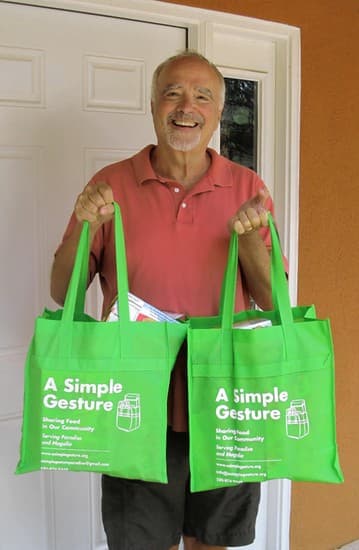
For A Simple Gesture, the lesson is practical. A green bag network can collect a lot of food from a neighborhood, but protein shows where a simple donation stream runs into the limits of the system. Pantry partners still need items that help a household make a week of meals feel complete, and that means stronger refrigeration, better cold-chain coordination and tighter relationships with producers if the goal is to move from abundance in some categories to usefulness across the whole food box. Hatch’s model points to a blunt reality many food recovery teams already know: some foods require infrastructure, not just generosity, and the organizations that can build that backbone will make distribution work better for staff and more dignified for clients.
This article was produced by Prism’s automated news system from verified source data, official records, and press releases, then run through automated quality and moderation checks before publishing. The system is built and supervised by the people who set the standards it runs under. Read our full AI policy.
Did this article answer your question?