Ready.gov toolkit helps A Simple Gesture plan for disasters
Missed pickups waste donated food and cut meals, so A Simple Gesture’s disaster plan has to protect routes, cold storage, and volunteer coverage first.
Food recovery breaks down fast when a storm knocks out power or a road closes. For A Simple Gesture, the daily consequence is immediate: a missed pickup can mean donated food sits too long, refrigerated items spoil, and fewer meals make it to pantry shelves.
Start with continuity, not a binder
The simplest way to think about disaster prep is continuity: what keeps the essential work moving when the normal plan fails. FEMA says continuity is about keeping essential functions running across emergencies and disruptions, and its guidance is meant to work for a broad range of audiences, threats, and capabilities. For a neighborhood food-recovery nonprofit, that means planning for the exact moments that disrupt the work: a building without power, a driver who cannot get through, a route that needs to be rerouted, or a partner pantry that cannot receive a delivery.
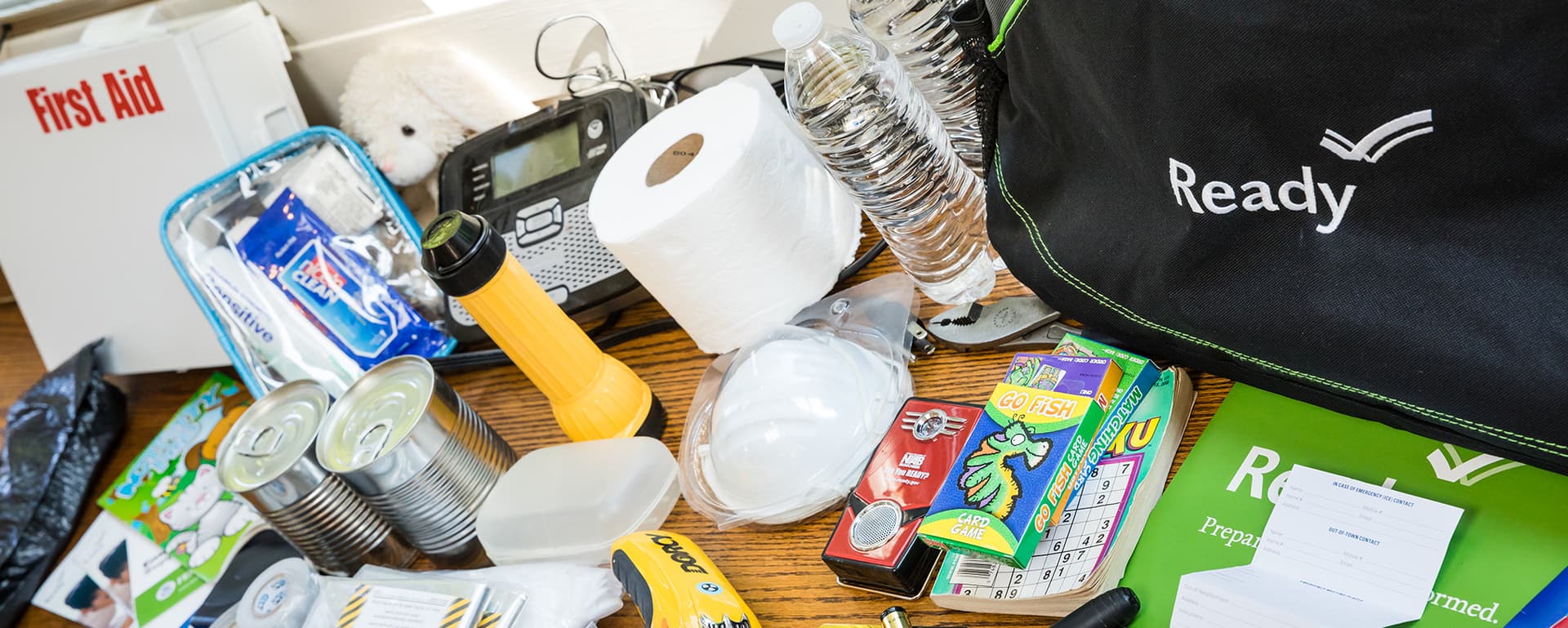
Ready.gov’s business preparedness resources give A Simple Gesture a practical place to start. The Ready Business toolkits include hazard-specific versions for earthquakes, hurricanes, inland flooding, power outages, and severe wind or tornado events. Ready.gov also lays out low- and no-cost preparedness steps, which matters for a volunteer-driven nonprofit that needs workable systems more than expensive equipment.
Protect the three things that fail first: pickups, cold storage, and routing
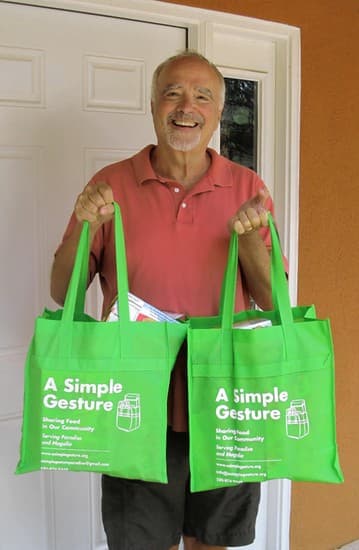
The minimum disaster plan should be built around the parts of the operation that move food from donors to pantries. First, A Simple Gesture needs backup plans for green-bag pickup routes, because its volunteer calendar already runs on recurring area-based schedules, including East Greensboro, West Greensboro, and High Point-area routes. When weather interrupts those routes, the organization needs a clear decision-maker who can pause, reroute, or reschedule pickups without waiting for a chain of approvals.
Second, cold storage has to be part of the plan. Ready.gov notes that power outages after disasters can last for several days, which is enough time for refrigerated or frozen food to become unsafe if there is no backup. That means the operation needs to know where food can be moved, how long it can safely sit, and what gets prioritized first if refrigerators or freezers go down.
Third, transportation needs alternate paths. Roads can be impassable, and a plan that assumes every volunteer can still drive a normal route will fail at the first storm. A Simple Gesture should map alternate collection points, identify which partner pantries can receive food earlier or later than usual, and keep a simple fallback for delayed pickups so food does not just wait in bags on porches or in vehicles.
Make communication as operational as the trucks
Disaster planning is not only about moving food. It is also about making sure everyone knows what changed. The best plans spell out who checks weather and road alerts, who sends the first cancellation notice, and what channel is used when routine email is too slow for urgent updates.
That matters for trust as much as logistics. People donate because they expect consistency, and volunteers show up because they expect their time to be used well. A Simple Gesture’s own model depends on that consistency: doorstep food donations, volunteer drivers, direct delivery to partner pantries, and Food Recovery Program work that matches surplus food from businesses with vetted nonprofits. When the system stalls, the damage is not abstract. It is wasted food, confused donors, and pantries waiting on deliveries that never arrive.
The organization’s scale makes that communication even more important. Its mission-and-impact page says that as of December 2025 it had more than 8,000,000 child-size meals donated, $13,000,000 in donated food value, 75-plus pantry partners, 3,900-plus recurring food donors, and 200 monthly volunteers. A group that large cannot rely on improvisation if storms, outages, or staffing gaps hit at the same time.
Use low-cost planning tools that fit a volunteer operation
Ready.gov is useful because it normalizes planning steps that do not require a big budget. It also reminds organizations that people may need to survive on their own for several days after an emergency, which is another reason the food system has to be resilient before the crisis hits. For A Simple Gesture, the practical version of that advice is not a giant manual. It is a short set of decisions that can be put into motion quickly.
Those decisions should include:
- Backup contacts for each route and each pantry partner.
- A phone tree or text chain for volunteer drivers and coordinators.
- A list of alternate pickup points if a neighborhood is inaccessible.
- A simple data backup for donor lists, route schedules, and pantry contacts.
- A named person who can cancel, delay, or reroute without delay.
- A safety rule that puts staff and volunteer safety ahead of food movement when conditions worsen.
That is the kind of planning FEMA’s continuity framework is built for: not just surviving a crisis, but making the core functions keep going.
Treat disaster work like any other logistics system
Feeding America’s disaster-response materials make the larger operational point clear: pre-disaster planning activities and formal agreements streamline response and recovery. Its logistics guidance also says food banks should track disaster-response inventory, staff and volunteer hours, and disaster-related costs separately. That matters for a food-recovery nonprofit because disaster work creates its own workload, its own fuel and storage costs, and its own time burden on already thin teams.
National VOAD makes the same case from the coordination side, describing disaster service as a cooperative effort built on communication, coordination, and collaboration. It also reports nearly 9,907,071 volunteers and $1.3 billion in donated labor in 2019 alone, a reminder that the volunteer response ecosystem is huge, but only works when the pieces line up. For A Simple Gesture, that means disaster prep should not sit in a separate emergency folder. It should be part of route management, pantry coordination, and volunteer scheduling.
Why this matters for A Simple Gesture’s growth
A Simple Gesture’s history shows how quickly a volunteer food system can become community infrastructure. Its Reston chapter began in June 2015 with about 20 families and later distributed 978,385 pounds of groceries. The organization’s broader history also points to how food-recovery networks can grow in places like Paradise, California, where about 35,000 residents and roughly 14,000 households rely on more than 1,700 food donors who help collect more than 132,000 pounds each year.
That scale changes the job. A neighborhood donation program is no longer just a feel-good volunteer effort once dozens of pantries depend on it and pickups run on fixed routes. It becomes a service that has to keep moving when the weather, the grid, or the roads do not cooperate.
A simple checklist to use this week
If you manage routes, volunteers, or pantry relationships, the first move is to make the plan small enough to use. This week, check whether you have:
- A backup contact for every pickup area.
- A one-step rule for canceling or rerouting a route.
- A list of which donations need cold storage first.
- A message template for delayed pickups and missed collections.
- A current list of pantry partners that can receive food on a changed schedule.
- A place to track disaster hours and disaster costs separately from normal operations.
The goal is not to build a perfect emergency system. It is to keep donated food moving, keep volunteers clear on what to do, and keep pantries supplied when normal routines break down.
This article was produced by Prism’s automated news system from verified source data, official records, and press releases, then run through automated quality and moderation checks before publishing. The system is built and supervised by the people who set the standards it runs under. Read our full AI policy.
Did this article answer your question?