ReFED blog spotlights logistics as key to scaling food recovery
ReFED says the food recovery bottleneck is logistics, not supply, a lesson that fits A Simple Gesture's scheduled pickups, pantry routes and volunteer shifts.
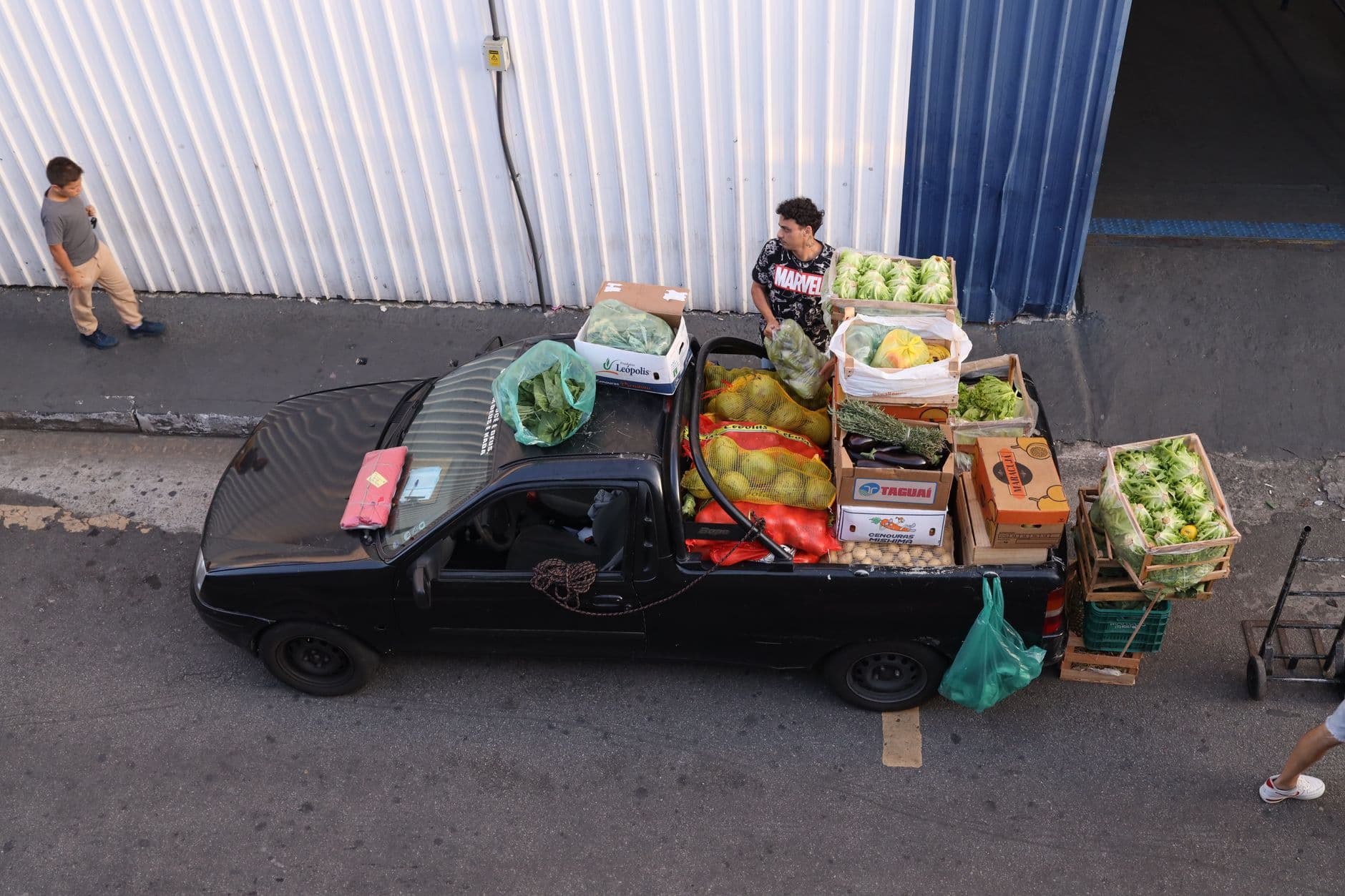
The hardest part of food recovery is often not finding food. It is moving it, on time, at scale, and without wasting labor, fuel, or volunteer hours. That is the core point in ReFED’s June 11 blog on delivery operations, and it lands squarely with organizations like A Simple Gesture, where a missed pickup or a weak route can turn usable food into avoidable loss.
ReFED argues that many communities already have more surplus food than local groups can collect and redistribute. Pickup windows are narrow, products are perishable, and destinations are spread across wide geographies, which means the limiting factor is capacity, not good intentions. The group’s broader goal is to cut U.S. food waste in half by 2030, and its 2026 U.S. Food Waste Report says the country generated 70 million tons of surplus food in 2024, down 2.2% from 2023. Even with that decline, the scale is large enough to make logistics a central part of anti-hunger work.
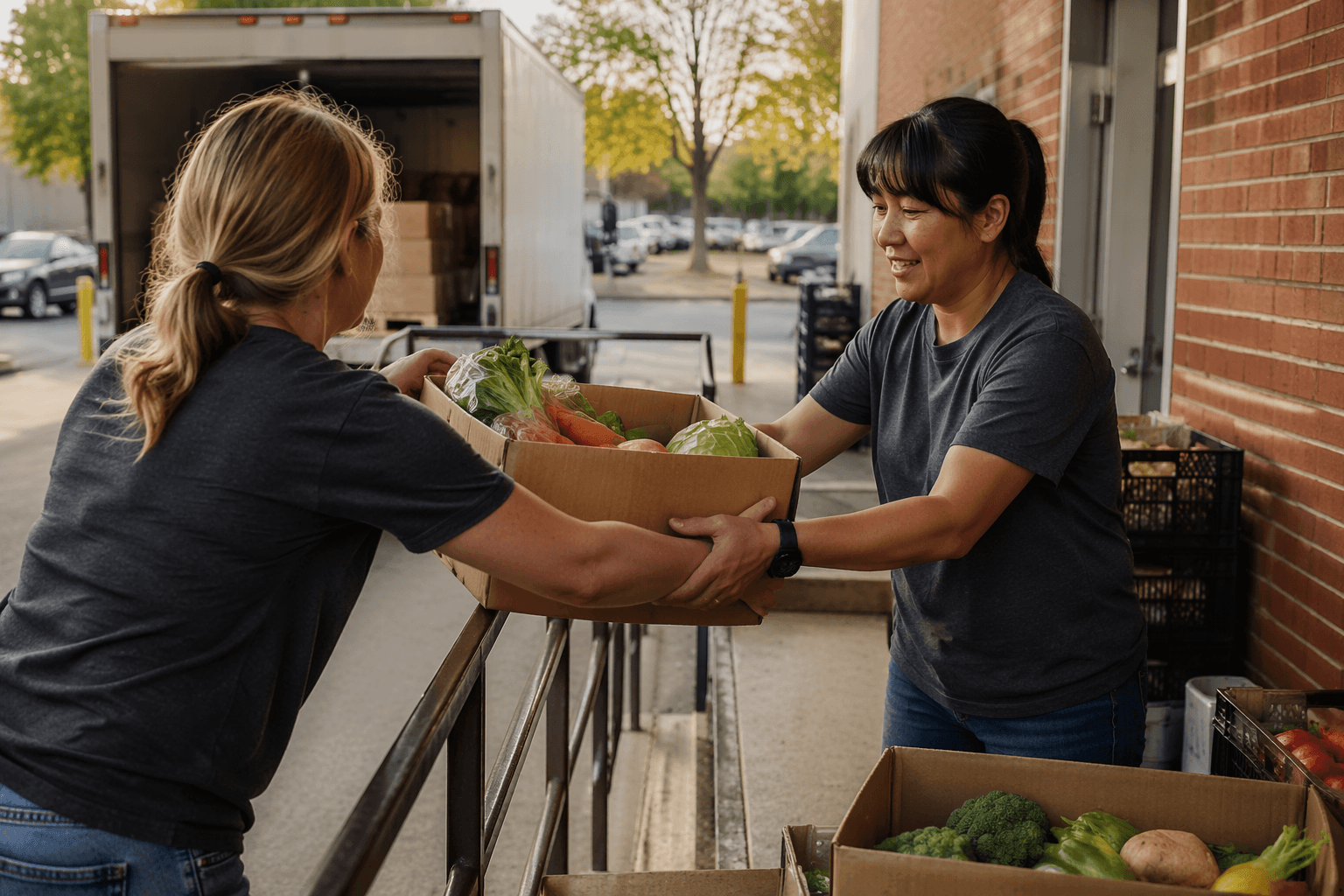
That framing fits A Simple Gesture’s operating model. Its Green Bag program relies on scheduled doorstep pickups for recurring nonperishable donations, so route timing and neighborhood density matter every day. In Guilford County, the chapter says it works with dozens of local food pantries, while its food recovery program matches food-industry businesses with vetted nonprofits that serve the community. For staff and coordinators, the message is blunt: operational discipline is not separate from the mission. It is the mission.
The organization’s own history shows why that lens matters. A Simple Gesture began with Jonathan Trivers and his wife Karen in Paradise, California, after Trivers concluded there was enough food in town to feed everyone but no easy way to get it to people who needed it. A Simple Gesture-Guilford County says it became a 501(c)(3) in 2015, with the broader story dating to 2011. By December 2025, a 2026 profile said the Guilford County operation had helped donate more than 8,000,000 child-size meals and $13,000,000 in food value, a scale that depends on tight coordination between pickups, pantry deliveries, and volunteer shifts.
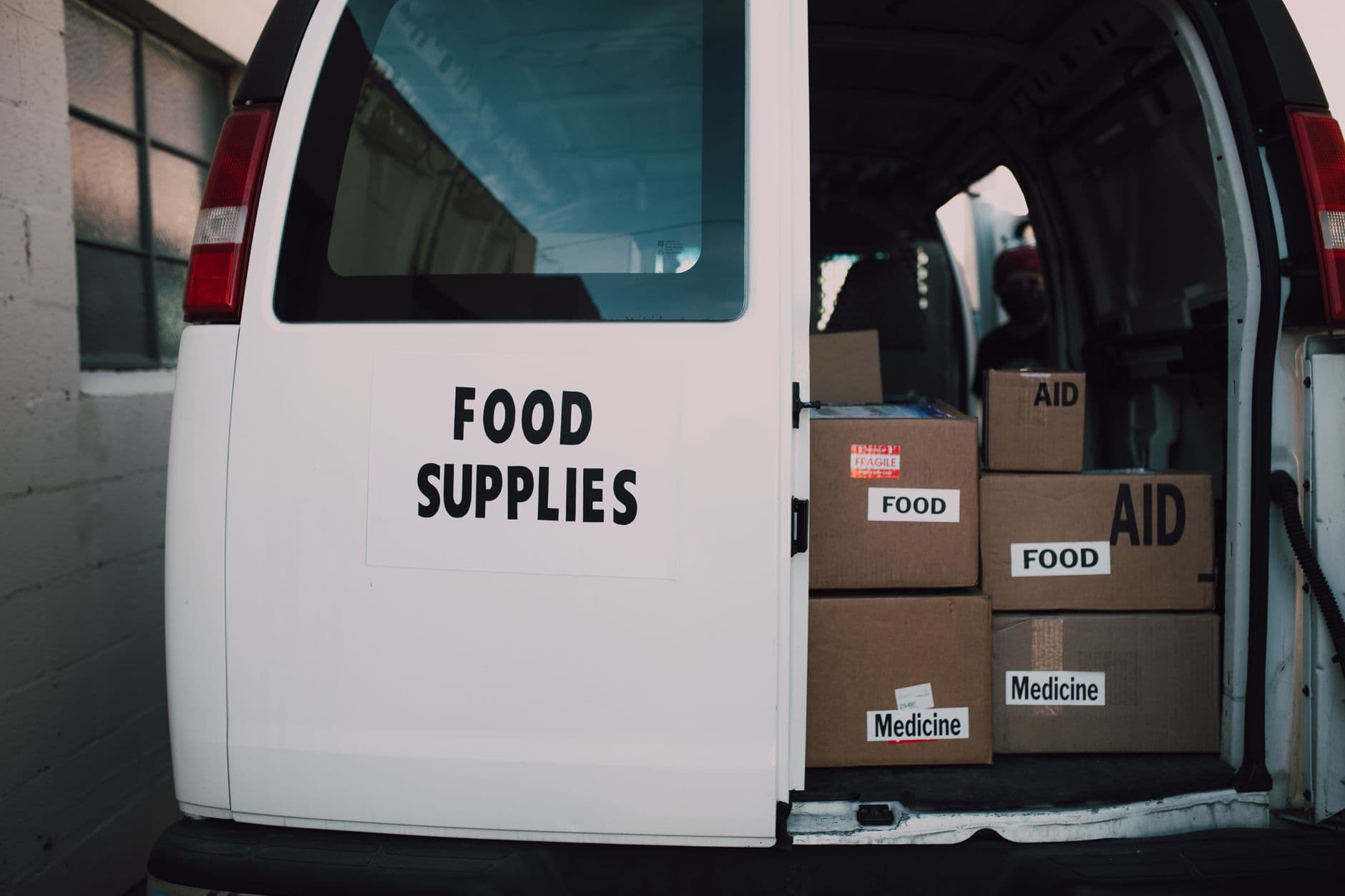
ReFED’s economics underline why that coordination is drawing more attention. In 2023, the group said halving food waste by 2030 would require $18 billion a year, including $5 billion in catalytic funding. That makes route planning, flexible dispatch, and better scheduling look less like back-office fixes and more like investments that can unlock more food for more pantries. A Simple Gesture-Reston follows the same logic, describing itself as a bi-monthly doorstep collection program in Northern Virginia that delivers directly to pantries and does not store or distribute food itself. Across chapters, the lesson is the same: scaling food recovery starts with making the last mile simpler, more predictable, and less expensive.
This article was produced by Prism’s automated news system from verified source data, official records, and press releases, then run through automated quality and moderation checks before publishing. The system is built and supervised by the people who set the standards it runs under. Read our full AI policy.
Know something we missed? Have a correction or additional information?
Submit a Tip