ReFED calls for redesign of food system to cut food waste
Dana Gunders says food waste needs “a million silver buck shots, but no silver bullet.” For food nonprofits, that means redesigning sourcing, storage and routes.

ReFED’s Dana Gunders put the food-waste field on notice in Charlotte: the next leap will not come from one more standalone program, but from redesigning the system itself. At the group’s summit at The Westin Charlotte from May 19 to 21, Gunders said the sector has built a foundation, but still needs what she called “The Great Redesign of the Food System.”
Her line, “We have a million silver buck shots, but no silver bullet,” landed because it matches what food recovery groups already know on the ground. ReFED says nearly one third of all food is lost or wasted as it moves from farms to plates, and its goal is to cut U.S. food waste in half by 2030. The challenge now is not simply creating more programs, but finding the 3 to 5 changes that make the work easier to join, easier to fund and easier to scale.
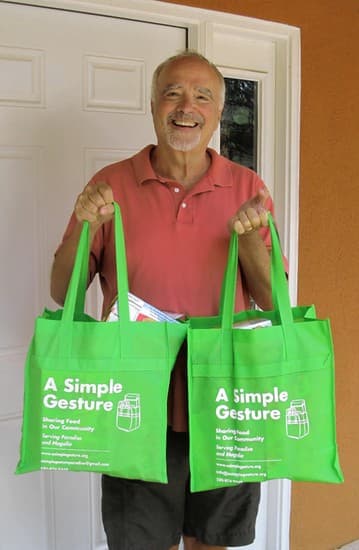
For food nonprofits, that redesign mindset points to three places where operations matter more than slogans. The first is sourcing. Recovery groups cannot depend only on occasional surplus or last-minute rescues if they want consistent impact. A Simple Gesture already sits inside that larger chain by rescuing edible food from businesses and delivering it to local nonprofits, but the ReFED framing pushes organizations to think upstream about which donors are easiest to work with, which categories of food move reliably and where partnerships can be designed around regular supply instead of lucky pickups.

The second is storage. Food only helps if it stays usable long enough to reach a pantry shelf or a school refrigerator. A Simple Gesture’s SHARE school program shows how storage changes the equation: food donated from school nutrition programs is placed in school refrigerators so students who need extra nutrition can access it. That is not just a donation program. It is a storage solution that turns surplus into something immediately available.
The third is routing and partnership design. The fastest way to waste time, volunteer energy and food is to build a system that depends on too many handoffs. For organizations that rely on doorstep pickup routes and pantry partners, the operational question is whether the route schedule, partner timing and volunteer recruitment all fit together cleanly enough to keep food moving. That is where redesign beats reinvention.

The broader ecosystem is moving the same way. WWF has paired food-waste reduction with a national campaign and Ad Council effort, while its school programs aim to build a culture of respect for food and lifelong stewardship habits. It says more than 200,000 students were encouraged to write food-waste poetry in a recent Food Waste Prevention Week effort. The message for A Simple Gesture is clear: the next gains will come less from adding another program name and more from making the whole path from surplus to meal work better.
This article was produced by Prism’s automated news system from verified source data, official records, and press releases, then run through automated quality and moderation checks before publishing. The system is built and supervised by the people who set the standards it runs under. Read our full AI policy.
Did this article answer your question?