Schiff, bipartisan senators propose bill to bolster regional food systems
Schiff’s bipartisan bill would restore a $200 million regional food program and create 10 USDA hubs, after federal cuts slowed local supply chains.
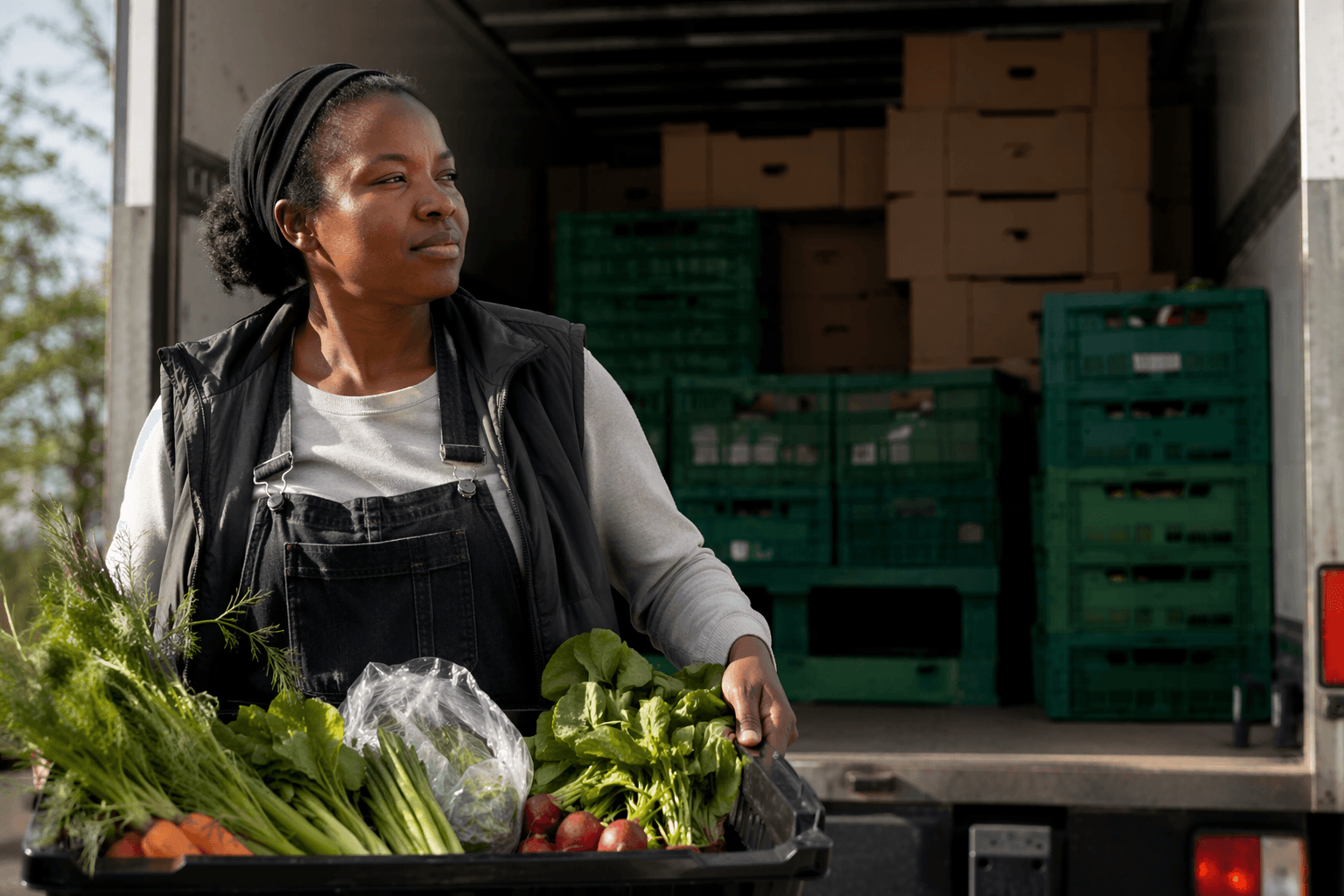
A bipartisan Senate bill would put new federal money behind the middle of the food system, with Sen. Adam Schiff and three colleagues proposing to revive regional food infrastructure just as USDA stepped back from related work. The American Food Supply Chain Resiliency Act would make the Regional Food Systems Infrastructure Program a permanent annual $200 million program and add a Regional Food Systems Hub Program at USDA with $75 million in annual funding. It would also authorize 10 hubs around the country to coordinate local food efforts and distribute small grants to farms and food businesses.
The proposal lands in a policy lane that already shapes what food recovery groups can move and where they can move it. USDA says its existing Resilient Food Systems Infrastructure program is meant to strengthen the middle of the food supply chain and create more and better markets for small farms and food businesses. The agency says the program has provided about $400 million to states and territories through cooperative agreements, with states then subawarding grants to producers, farm businesses and other eligible entities.
That matters because the same federal system has also shown how quickly local food networks can lose momentum. USDA terminated the Regional Food Business Centers program on July 15, 2025, describing it as a one-time, temporary-funding initiative. Civil Eats reported earlier this month that the end of those centers stalled the growth of emerging regional supply chains that had been building businesses and consumer support. Schiff’s bill is, in effect, an effort to rebuild the infrastructure that those networks depended on.
The local-purchasing angle is just as important for food banks, schools and community distributors. USDA says the Local Food Purchase Assistance Cooperative Agreement Program uses noncompetitive agreements to help state, tribal and territorial governments buy food produced within the state or within 400 miles of the delivery destination. An April 2026 coalition letter said those kinds of procurement programs stimulated nearly $1.6 billion in economic activity, a figure that underscores how much money can stay in regional markets when institutions buy closer to home.
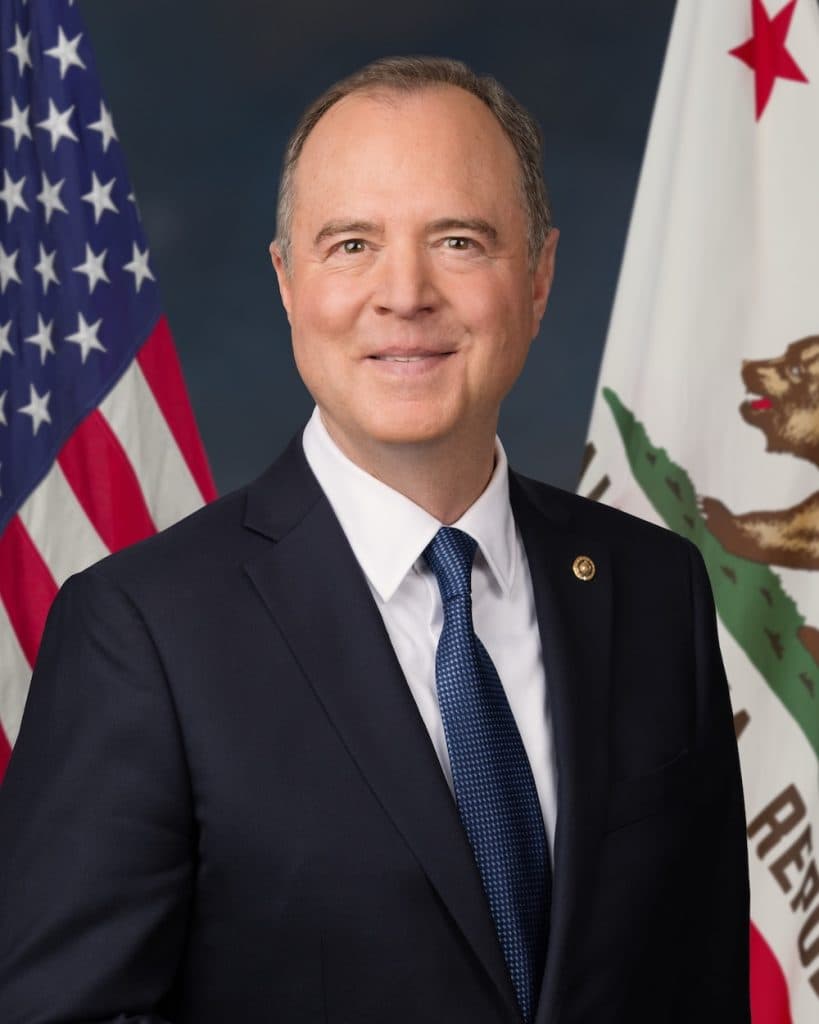
For A Simple Gesture, the practical stakes are immediate. A stronger regional system could mean steadier surplus recovery from farms and food businesses, more predictable pantry inventory and fewer transportation headaches when volunteers are filling green bags and moving donations through local partners. It could also make it easier to build lasting relationships with smaller producers and distributors, instead of depending only on national supply chains that often leave food recovery programs exposed when one link breaks. The bill is backed by the National Association of State Departments of Agriculture, American Farmland Trust and the National Farmers Union, and Schiff’s office said Sens. Amy Klobuchar, Cindy Hyde-Smith and Jim Justice signed on as cosponsors.
This article was produced by Prism’s automated news system from verified source data, official records, and press releases, then run through automated quality and moderation checks before publishing. The system is built and supervised by the people who set the standards it runs under. Read our full AI policy.
Did this article answer your question?