SHRM flags five workplace issues shaping 2026 policies and planning
200 monthly volunteers can move 8 million child-size meals, but only if scheduling, benefits, and flexibility keep pace with the work.

What SHRM is really signaling
SHRM’s five workplace issues for 2026, technology, benefits, compliance, talent management, and caregiving responsibilities, are less a trend forecast than a stress test. The association’s message is that workplace policy is now shaping how work gets done, how people experience it, and whether organizations can hold onto the talent they already have.
That framing matters for A Simple Gesture because the nonprofit’s hardest problems are operational, not abstract. A clunky scheduling system is not just an inconvenience, it can mean a missed pickup route. A vague policy on time off or flexible hours is not just an HR issue, it can become a staffing issue, a burnout issue, and then a service issue at the pantry door.
SHRM’s CHRO brief pushes the same point from the benefits side: design has to support well-being, engagement, and culture while still managing costs and compliance in a multigenerational workforce. Its CEO brief makes the talent message even sharper, arguing that strategic talent management depends on using existing talent and technology well, while investing in upskilling, retention, and workforce planning. For a small nonprofit, that is not corporate language for corporate’s sake. It is a blueprint for deciding what keeps the mission moving.
Why this lands so directly at A Simple Gesture
A Simple Gesture-Guilford County says it was established as a 501(c)(3) nonprofit in 2015, and that its food-collection model dates back to 2011. Its mission is built around making giving easy and convenient through door-to-door pickups, corporate pickups, and timely food-recovery pickups. It also rescues surplus food from businesses, delivers it to local nonprofits, and operates school-based SHARE refrigerators.
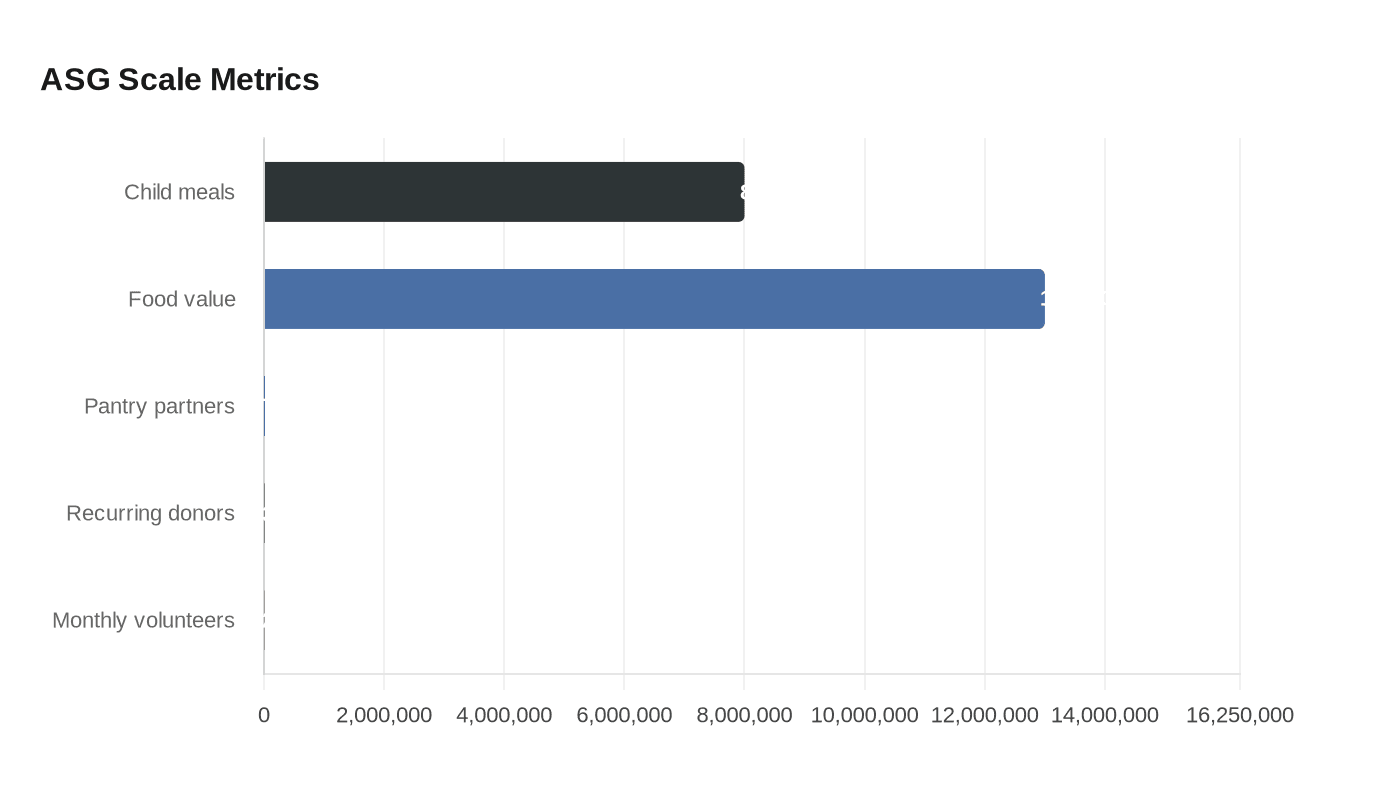
The scale is not small. As of December 2025, the organization reported more than 8,000,000 child-size meals donated, $13,000,000 in the value of donated food, 75+ pantry partners, 3,900+ recurring food donors, and 200 monthly volunteers. In Guilford County, North Carolina, that kind of network means one weak link in staffing or scheduling can ripple through pantry deliveries, donor pickups, and school food access at the same time.
That is why SHRM’s framework is useful here. It gives leaders a way to see the operation as connected systems instead of separate chores. Volunteer recruitment, route coordination, donor communication, pantry partnerships, and staff workload are all tied together. If one part gets harder, the others usually absorb the pressure.
Technology is not a nice-to-have when routes and volunteers depend on it
At A Simple Gesture, technology is not about chasing the latest tool. It is about reducing friction in the parts of the process that already ask a lot from people. Volunteers need to be 18 or older, able to lift 20-pound boxes, use a smartphone, use a clean personal car for pickups and deliveries, and wear closed-toe shoes. Those requirements already set a clear operational bar, which means the scheduling and routing system has to be just as reliable.
The practical question is whether technology is helping coordinators match the right volunteer to the right route, on the right day, with the least amount of back-and-forth. Better route coordination can cut missed pickups and wasted miles. Better data tracking can show which neighborhoods are generating steady donations, where pantry demand is rising, and where business food recovery could be expanded without overloading staff.
That is the hidden lever in a pantry network. When the data is solid, leaders can make smarter decisions about where to focus donor outreach, which routes need more backup, and how to balance recurring household donations with corporate or surplus-food pickups. When the data is weak, the whole system becomes more manual, and manual systems burn out the people holding them together.
Benefits and talent management are really retention and continuity issues
SHRM’s benefits guidance is especially relevant for a small nonprofit that has to compete for dependable people without the budget of a large employer. The association is clear that benefits design now has to balance well-being, engagement, culture, costs, and compliance. That is a harder equation in a nonprofit because mission-driven work can attract commitment, but commitment alone does not pay for stability.
The talent piece is just as important. SHRM’s CEO brief emphasizes leveraging existing talent and technology, plus upskilling, retention, and workforce planning. For A Simple Gesture, that means the most valuable people may not be the ones with the most formal credentials, but the ones who can juggle relationships, logistics, and community engagement without losing the thread. Volunteer coordinators, pantry liaisons, and route leaders need to understand people and process at the same time.
If the scheduling system is clunky, if shift expectations are unclear, or if the work keeps expanding without enough support, burnout shows up fast. In a small nonprofit, burnout is not just a personal problem. It can mean turnover, slower responses to partners, weaker volunteer retention, and less continuity with the 75+ pantry partners the group serves.
Compliance and caregiving are where good intentions can turn into risk
Compliance is one of SHRM’s five issues for a reason. Mission-driven organizations can still run into wage-hour problems, leave questions, accommodation issues, and other policy gaps if they improvise too much. Food recovery adds another layer because pickup work involves driving, lifting, physical safety, and structured volunteer expectations. The fact that A Simple Gesture spells out its volunteer requirements, including age, lifting capacity, smartphone use, personal vehicle standards, and closed-toe shoes, is not bureaucratic clutter. It is a sign that the work needs clear rules to stay safe and consistent.
Caregiving pressures also matter more than many nonprofits admit. The National Alliance for Caregiving and AARP’s 2025 study used a nationally representative online survey of 6,858 family caregivers, and AARP says roughly 1 in 4 American adults are caregivers, including about 59 million caring for adults and 4 million caring for children under 18 with an illness or disability. That is a huge share of the labor force, and it helps explain why rigid schedules are such a problem in work that depends on people showing up reliably.
A separate analysis citing U.S. Bureau of Labor Statistics data found that 57% of wage and salary workers had a flexible schedule with the ability to vary start and stop times. That matters for A Simple Gesture because the people doing this work are often managing school schedules, elder care, child care, and other time pressures alongside service commitments. Flexibility is not a perk layered on top of the mission. It is part of whether the mission can be staffed at all.
What leaders should act on first
The right order is the one that lowers operational risk fastest. If missed pickups, volunteer drop-off, or route confusion are the weak points, start with technology and scheduling. If staff turnover or unclear workload is the bigger threat, focus on benefits communication, retention, and workload design. If role confusion, driving rules, or physical handling are creating exposure, tighten compliance first.
For A Simple Gesture, the point is not to chase every workplace trend at once. It is to treat SHRM’s five issues as a map of where a nonprofit food-recovery operation can break down, and where it can get stronger. The organizations that last will be the ones that make the work easier to sustain, not just easier to describe.
This article was produced by Prism’s automated news system from verified source data, official records, and press releases, then run through automated quality and moderation checks before publishing. The system is built and supervised by the people who set the standards it runs under. Read our full AI policy.
Did this article answer your question?