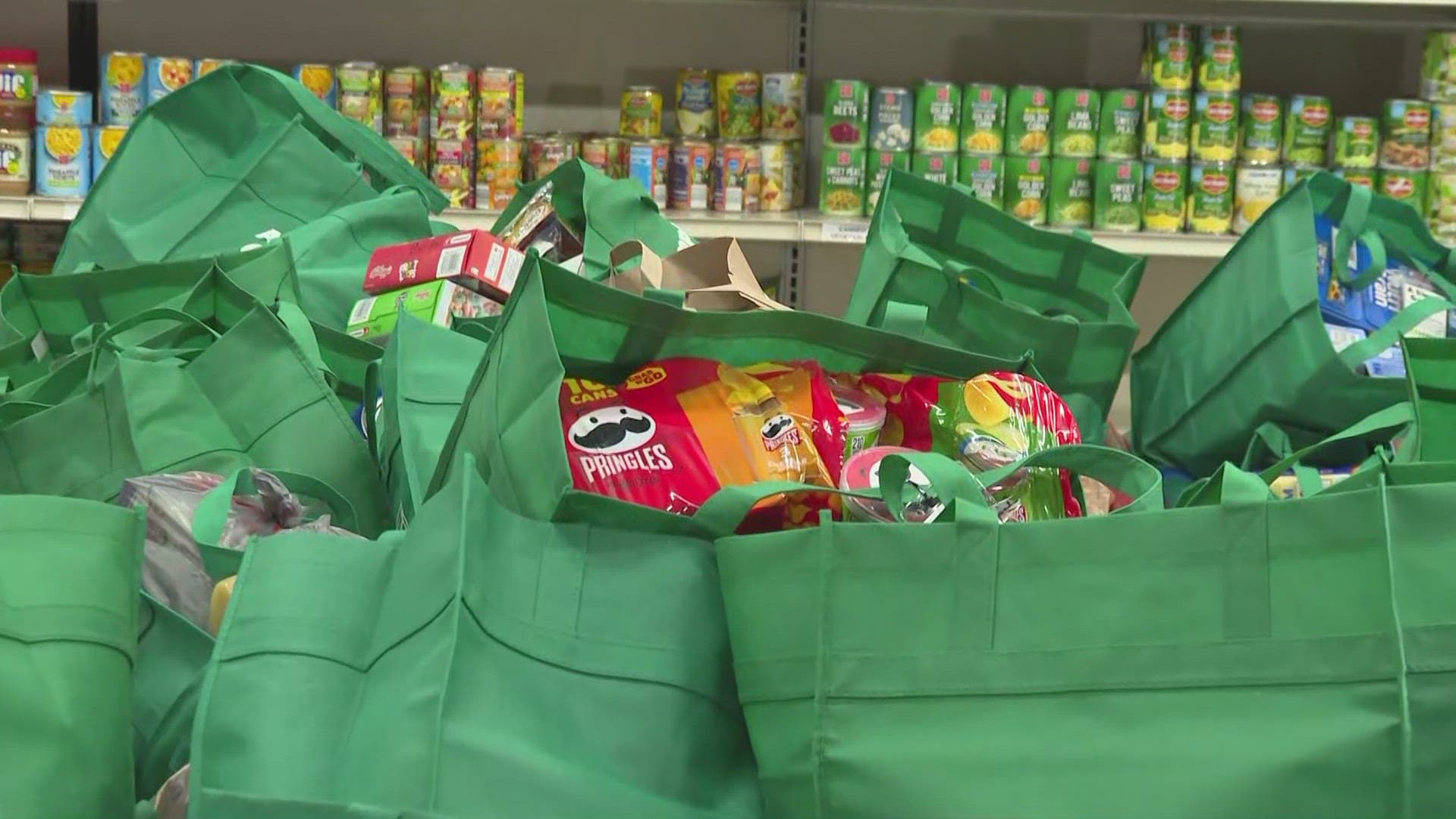
Small matches can boost donor response, guide says
A small, local match can do more than a flashy multiplier, especially when it makes donors feel their gift will move bags, routes and pantry deliveries now.
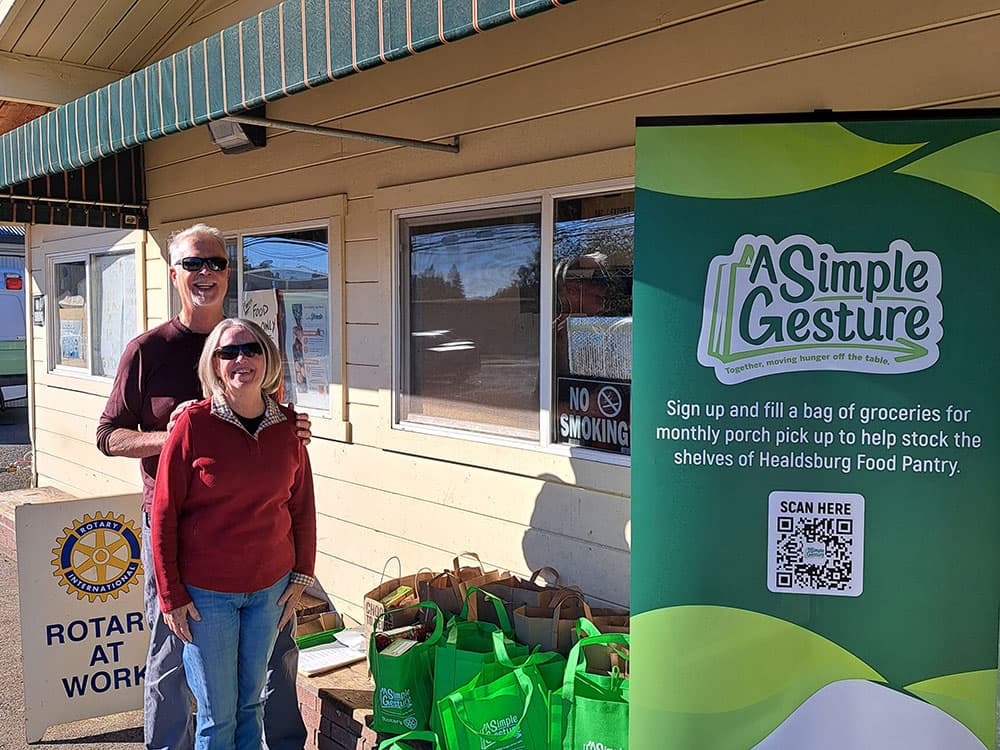
A modest match can turn A Simple Gesture’s porch-pickup network, green bag drop, and pantry delivery into a clear reason to act now, especially when donors can see exactly what their $25, $50, or $100 unlocks.
Why small matches work
A large-scale field experiment by Dean Karlan and John A. List found that simply announcing a match raised revenue per solicitation by 19% and increased the chance that an individual would donate by 22%. The same research found that larger match ratios did not meaningfully beat smaller ones.
A match does not need to look huge to change behavior. It needs to make participation feel worthwhile, immediate and easy to understand.
What that means for A Simple Gesture
A Simple Gesture began in 2011 when Jonathan Trivers started the organization in Paradise, California, and the Guilford County chapter became a 501(c)(3) nonprofit in 2015. As of December 2025, A Simple Gesture says it has delivered more than 8,000,000 child-size meals worth $13,000,000 in Guilford County, works with 75+ pantry partners and more than 35 vetted nonprofits through food recovery, and supports 3,900+ recurring donors and 200 monthly volunteers. A Simple Gesture says 100% of financial gifts stay in Guilford County.
A Simple Gesture is built on repetition. Door-to-door pickups, corporate pickups and food-recovery pickups only work when volunteers, coordinators and pantry partners can count on steady participation across Greensboro, High Point and the wider county.
More than 70 chapters nationwide have replicated the approach.
Design the match around belonging
For a neighborhood food-recovery nonprofit, the audience matters as much as the dollars. A match limited to one channel, such as a newsletter audience, can feel like an invitation into a specific community instead of a generic fundraising blast. That sense of belonging is useful for A Simple Gesture, where supporters often identify with a route, a pantry partner or a neighborhood pickup pattern.
For staff, that means choosing the smallest audience that still feels coherent. A volunteer list, a board mailing, a corporate partner’s employees, or donors who already give monthly can all work as the inside group that gets first access to the match. The goal is to create a clear social cue that participation is special, visible and shared.
People want to know their gift counts, and that is especially true in food recovery, where donors may wonder whether a $25, $50 or $100 gift really changes anything. A well-designed match answers that question instantly by linking the donation to a defined pool and a clear local outcome.
Make the outcome concrete
Food-recovery donors often want the same reassurance that match donors do: that the gift actually changes something. A Simple Gesture can answer that with outcomes people already understand, such as bags collected, routes funded or pantry deliveries supported.
Matching asks do not stop at “we have a match.” They connect the match to a measurable local result. If the campaign is funding a set number of green bag pickups, say so. If it helps cover volunteer route coordination or the logistics behind pantry deliveries, name that work directly.
A Simple Gesture’s work depends on recurring donors and monthly volunteers, which means campaigns should reinforce reliability rather than novelty. A match can do that by giving the next donation a job: close the gap on a route, support a pantry delivery, or push a neighborhood goal over the line.
What lean teams can replicate immediately
A Simple Gesture does not need a massive reserve to make this work. The organization already has the ingredients a small match needs: a recurring donor base, a volunteer corps, pantry relationships and a story about local food recovery that turns donations into visible meals. The challenge is packaging an existing network so donors can see the effect of joining in now.
A practical match campaign can be built in a few moves:
- Pick one audience that already feels connected to the mission, such as recurring donors or a volunteer email list.
- Set a modest ceiling that a local donor, board member or corporate partner can underwrite.
- Tie the match to one visible outcome, like green bag pickups or pantry deliveries.
- Use the Guilford County commitment to show that gifts stay close to home.
- Keep the deadline short enough that the campaign feels immediate, not open-ended.
This article was produced by Prism’s automated news system from verified source data, official records, and press releases, then run through automated quality and moderation checks before publishing. The system is built and supervised by the people who set the standards it runs under. Read our full AI policy.
Did this article answer your question?