SNAP cuts deepen, food pantries brace for higher demand
FRAC says 4.7 million people have already lost SNAP as John Boozman’s farm bill draft leaves the $187 billion cut intact. Food pantries and food recovery groups are bracing for the spillover.
John Boozman’s farm bill discussion draft leaves the $187 billion SNAP cut from the 2025 reconciliation law in place, even as about 4.7 million people have already lost access to the program since it took effect on July 4, 2025.
The cuts are hitting families with children, older adults, people with disabilities and veterans, and the cost shift to states and tighter work or time-limit rules would keep squeezing access to food assistance. Its president, Crystal FitzSimons, said the draft does not mitigate the damage already done. The Center on Budget and Policy Priorities puts SNAP participation down by more than 4 million people, or 10 percent, between July 2025 and March 2026, with declines in every state and drops of 5 percent or more in 42 states. The last similarly steep drop over such a short stretch came after the 1996 food stamp cuts.
Boozman’s office named the package the Agricultural Act of 2026, or Farm Bill 2.0, and it would reauthorize some agriculture programs through 2031. Senate Agriculture Committee Democrats said the proposal still “does not address the devastating cuts to SNAP or the shift to state taxpayers.” A separate USDA proposal, now in the Federal Register, would codify a cut in the federal share of SNAP state administrative costs from 50 percent to 25 percent starting in fiscal year 2027, with comments due August 24, 2026. That pushes more of the burden onto state budgets.
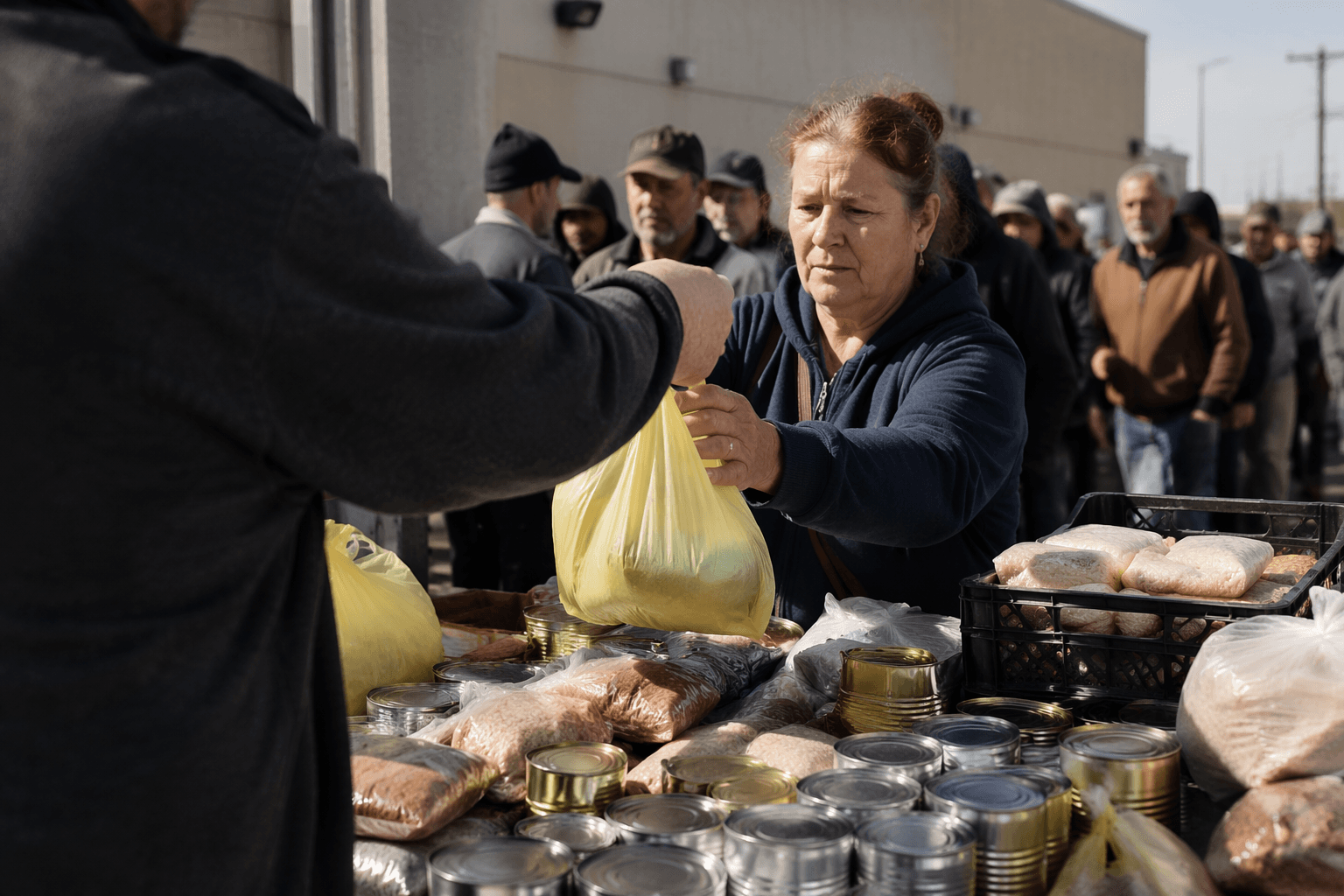
More people turn to food pantries when benefits shrink, and pantry partners feel it first. Tighter coordination with local distribution sites, more careful planning around green bag pickup routes, and more attention to volunteer recruitment and retention follow as seasonal demand spikes start arriving faster and lasting longer.
This article was produced by Prism’s automated news system from verified source data, official records, and press releases, then run through automated quality and moderation checks before publishing. The system is built and supervised by the people who set the standards it runs under. Read our full AI policy.
Did this article answer your question?