Study shows data-driven food distribution can improve equity, reduce waste
A data-driven release rule can help pantry operators decide who gets scarce food first, cutting waste while protecting smaller sites and harder-to-reach neighborhoods.
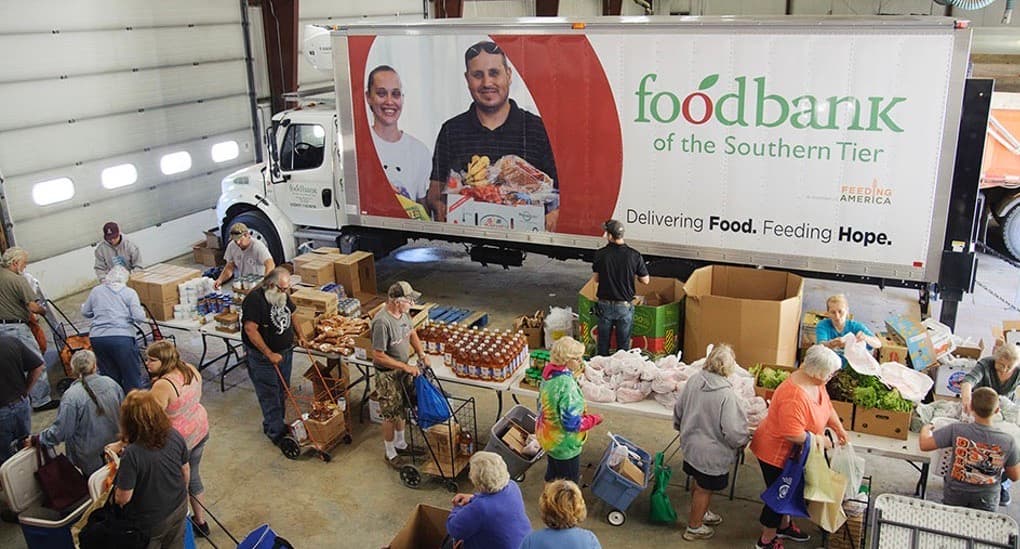
Scarcity is the triage test food recovery systems keep facing
When inventory is tight and several agencies are still waiting, the real question is not how fast food can move, but who should receive it first. A study in Transportation Research Part E: Logistics and Transportation Review takes that frontline decision and treats it as an operations problem, arguing that food banks and recovery networks can share food more equitably without turning the system into a free-for-all.
That matters because the familiar default, first-come pickup or pure volume-based release, often rewards whoever can respond quickest or take the biggest load. The new approach shifts the focus to a harder but more useful question: how do you release food now so you keep waste low while making sure communities with the greatest barriers to access are not left behind?
Why the old rule is not enough
In a scarcity-driven network, a first-come system can be efficient on paper and inequitable in practice. Large agencies, better-staffed pantries, and partners with more flexible trucks or volunteers tend to get ahead, while smaller sites and neighborhoods with fewer resources can be squeezed out even when their need is greater.
The same tension shows up in volume-based releases. Moving the biggest shipment to the most visible partner may look productive, but it can deepen the gap between high-capacity agencies and the neighborhoods that depend on a narrower set of access points. The study’s point is simple and practical: food distribution is not just about clearing inventory, it is about deciding how to allocate scarce supply when demand is uncertain.
What the equity model changes for pantry operators
The value of the study is not abstract theory. It gives pantry operators a decision tool for the kind of day-to-day triage that happens when a truck arrives short, a donation comes in late, or a last-minute pickup must be split across multiple partners.
- Which sites have been under-supplied over time?
- Which neighborhoods face the biggest access barriers?
- How do we balance current need against the risk of waste?
- What rule keeps smaller partners in the rotation when supply is thinner than expected?
Instead of asking only, “How much can we move today?”, the equity lens asks:
That is especially useful for organizations trying to explain why one pantry gets a full load while another gets a smaller one, or why a route gets split across several stops instead of dumped at the largest destination. The study supports a more disciplined system, one where fairness is built into the release decision rather than added after the fact.
A Simple Gesture’s model makes the question feel local
For A Simple Gesture, this is not a distant academic idea. The organization says it has been making food donations easy through collection programs since 2015, and that its broader story and mission date to 2011. It also operates as a 501(c)(3) nonprofit in Guilford County, North Carolina, with a Green Bag program, a Food Recovery Program, a SHARE school program, and a Refugee Feeding Network.
That mix of programs makes allocation decisions especially relevant. A porch pickup route is not just a collection exercise. It is the front end of a distribution system that has to decide what happens when inventory is uneven, pantry partners have different capacities, and some neighborhoods are easier to serve than others. An equity model can help A Simple Gesture balance route decisions, pantry rotation, and surplus-food pickups in a way that staff and volunteers can explain clearly.
For volunteers, that can improve retention because the system feels organized rather than improvised. For coordinators, it gives a rationale when routes change or one partner gets less than expected. For pantry partners, it creates more trust in the process because the tradeoffs are visible and intentional.
The broader sector has already been moving this way
Food banks have not arrived at this conversation all at once. Food Bank of Western Massachusetts found that its distribution network was inequitable even though more than half of the food it distributed was going to the underserved county, because that still did not meet local need. Food Bank News later reported that the county with the largest concentration of food insecurity, poverty, and people of color was also the one receiving the least emergency food.
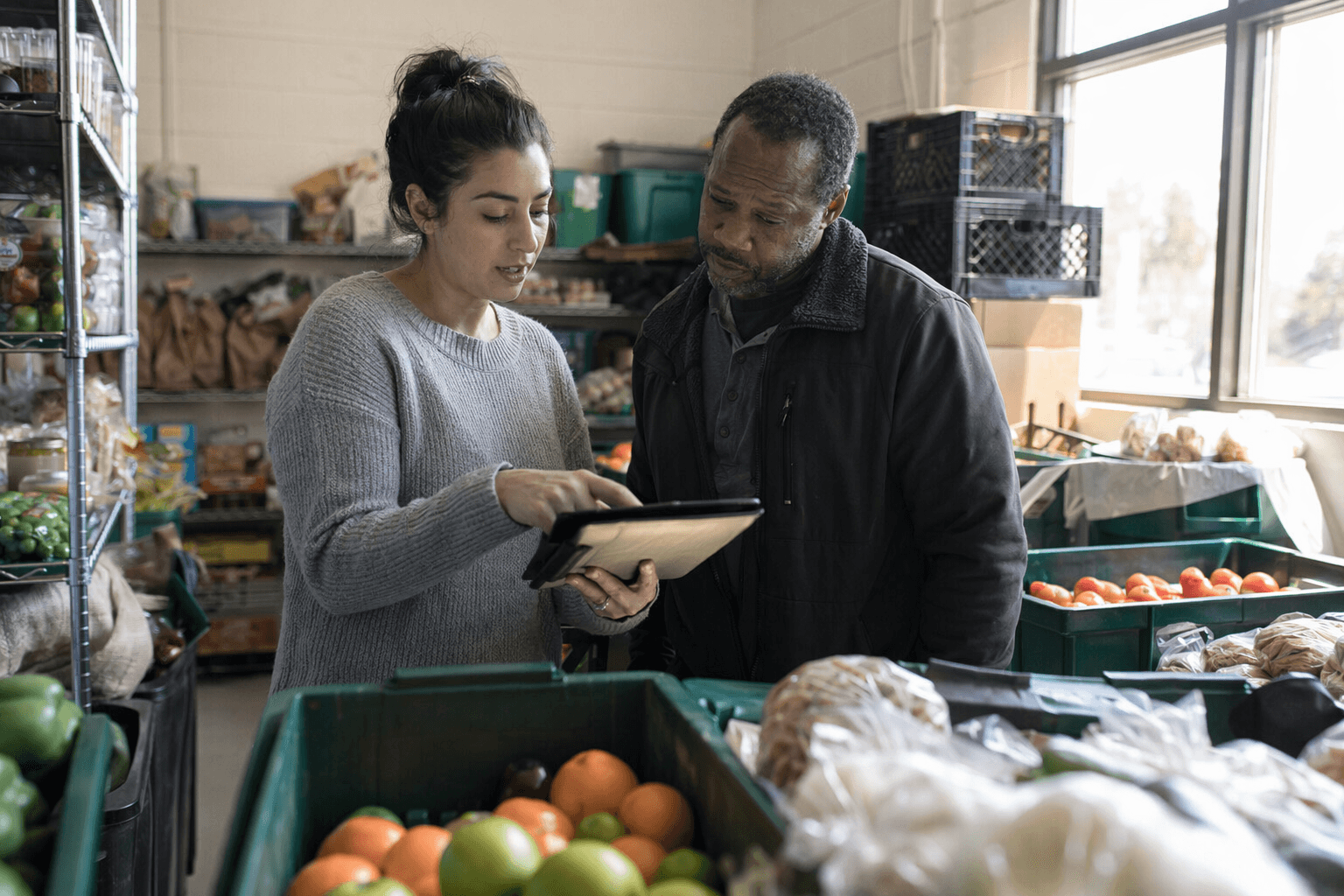
That system did not change by accident. The equity effort there began after a yearlong planning session with member agencies and pantries, a reminder that fairer distribution usually takes structure, not just good intentions. The lesson translates well to recovery networks like A Simple Gesture: if a network wants a more equitable outcome, it has to define the rules before the food is on the dock.
Other organizations have pushed in the same direction. Food Bank News has described broader momentum at places including Oregon Food Bank, where equity-focused work has been used to operationalize goals that used to sound aspirational. The pattern is clear across the sector: food banks are increasingly asking not just how much food they move, but who consistently benefits from those decisions.
The research base says this is an operations issue, not a slogan
This is not the first time researchers have treated food-bank equity as a logistics problem. A 2021 Transportation Research Part E case study on American food-bank distribution said policymakers could use the method to trade off equity and effectiveness. A 2018 robust-optimization paper in the food-bank context explicitly studied both equity and effectiveness in distribution, reinforcing that fairness has long belonged in the operations toolbox.
The evidence goes beyond the United States. A Netherlands food-bank supply-chain study found that a model based on real-life data could serve 32% more beneficiaries. That kind of result matters because it shows the equity conversation is not only about ethics. Better allocation can also mean more people served.
The same theme appears in a 2025 paper on food-pantry optimization, which says fairness under limited food resources remains a major challenge. That point lands especially hard for pantry networks that are already stretched, because it means the problem does not stop at warehouse allocation. It reaches all the way down to basket composition and household-level decisions about who gets what.
A practical playbook for fairer releases
For operators trying to turn this into a working policy, the study points toward a few usable rules.
- Track which partners routinely fall behind in access, not just which ones can take the most food.
- Set release rules that protect smaller pantries from being shut out when supply is thin.
- Balance route design so the same neighborhoods are not always last in line.
- Use data to explain why a shipment was split, held back, or redirected.
- Treat waste reduction and equity as linked goals, not competing ones.
That is the shift the study makes possible. It does not tell pantry operators to abandon efficiency. It tells them that speed alone is a poor measure of success if the same communities keep getting less. For a network like A Simple Gesture, where volunteers, donors, and pantry partners all have to trust the system, that is the difference between moving food and building a reliable recovery model.
This article was produced by Prism’s automated news system from verified source data, official records, and press releases, then run through automated quality and moderation checks before publishing. The system is built and supervised by the people who set the standards it runs under. Read our full AI policy.
Did this article answer your question?