Top food banks reimagine pantries as dignified, health-focused hubs
Big food banks are turning pantries into coordinated access points, with health partners, easier navigation, and more direct control over the visitor experience.
The pantry is no longer just a shelf and a handoff. Across the country, some of the largest food banks are building outlets that look and function more like care hubs, with a sharper focus on healthy food access, clinical referrals, and how a visitor moves through the space.
A new operating model for pantry work
Food Bank News has described this as a real shift in power. For years, pantries often set their own hours, distribution style, and food mix while food banks stayed in the background, supporting from a distance. The newer model gives food banks a more direct say in the look, feel, and operations of the site, which matters because the design choices now shape who comes in, what they receive, and whether the experience feels usable or humiliating.
That change is not cosmetic. It pushes the work from emergency handoff toward managed access. In practice, that means a pantry can start to function like a destination with defined entry points, more deliberate food choices, and stronger coordination with health systems or community partners. For workers and volunteers, it also means the job is increasingly about navigation, referral, and consistency, not just sorting donations and opening the doors.
The need behind the redesign
The scale of food insecurity keeps the pressure on. The USDA said 13.7 percent of U.S. households were food insecure at some time during 2024, and 18.4 percent of households with children were food insecure. Those numbers explain why food banks are being asked to do more than distribute calories. They are being pushed to design systems that can meet people where they already are, especially families who are balancing work, transportation, and health needs at the same time.
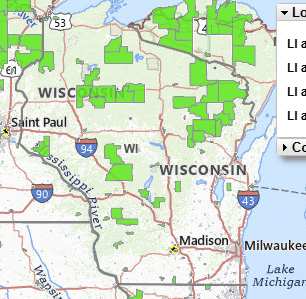
Feeding America’s Map the Meal Gap work is built to show how hunger and food costs vary by county and congressional district. That local lens matters for neighborhood-based groups like A Simple Gesture because it reinforces a basic truth: need is not evenly distributed, and neither is access. A route system, a pantry partnership, or a volunteer calendar only works if it reflects the geography of need and the realities of the people using it.
The broader network still gives food banks enormous reach. Feeding America says the U.S. network includes more than 200 food banks, 22 statewide food bank associations, and 60,000 agency partners. In other words, even as the pantry model changes, the charitable food system still depends on a huge web of local distribution points and human relationships to move food where it is needed.
What the newest pantries look like on the ground
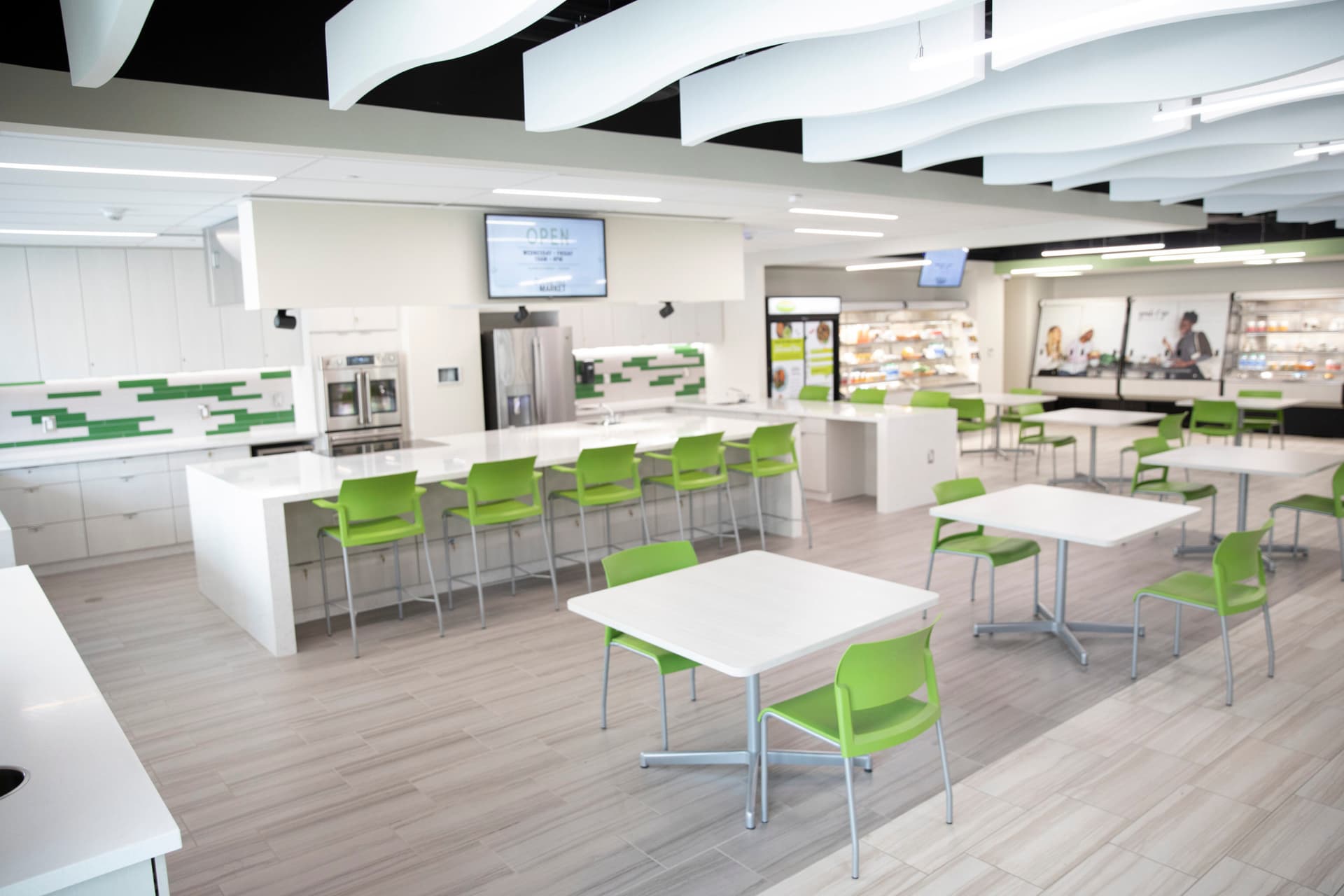
The clearest examples are coming from Atlanta, Boston, and Houston, where food banks are increasingly working alongside health care partners. In Atlanta, one site at a safety-net hospital offers a market-like environment with space for dining, cooking, and nutrition classes. Patients with food prescriptions can pick up a 20-pound box of food twice a month. That is a very different experience from a standard emergency pantry line, and it reflects a deliberate choice to make the setting feel more usable and less stigmatizing.
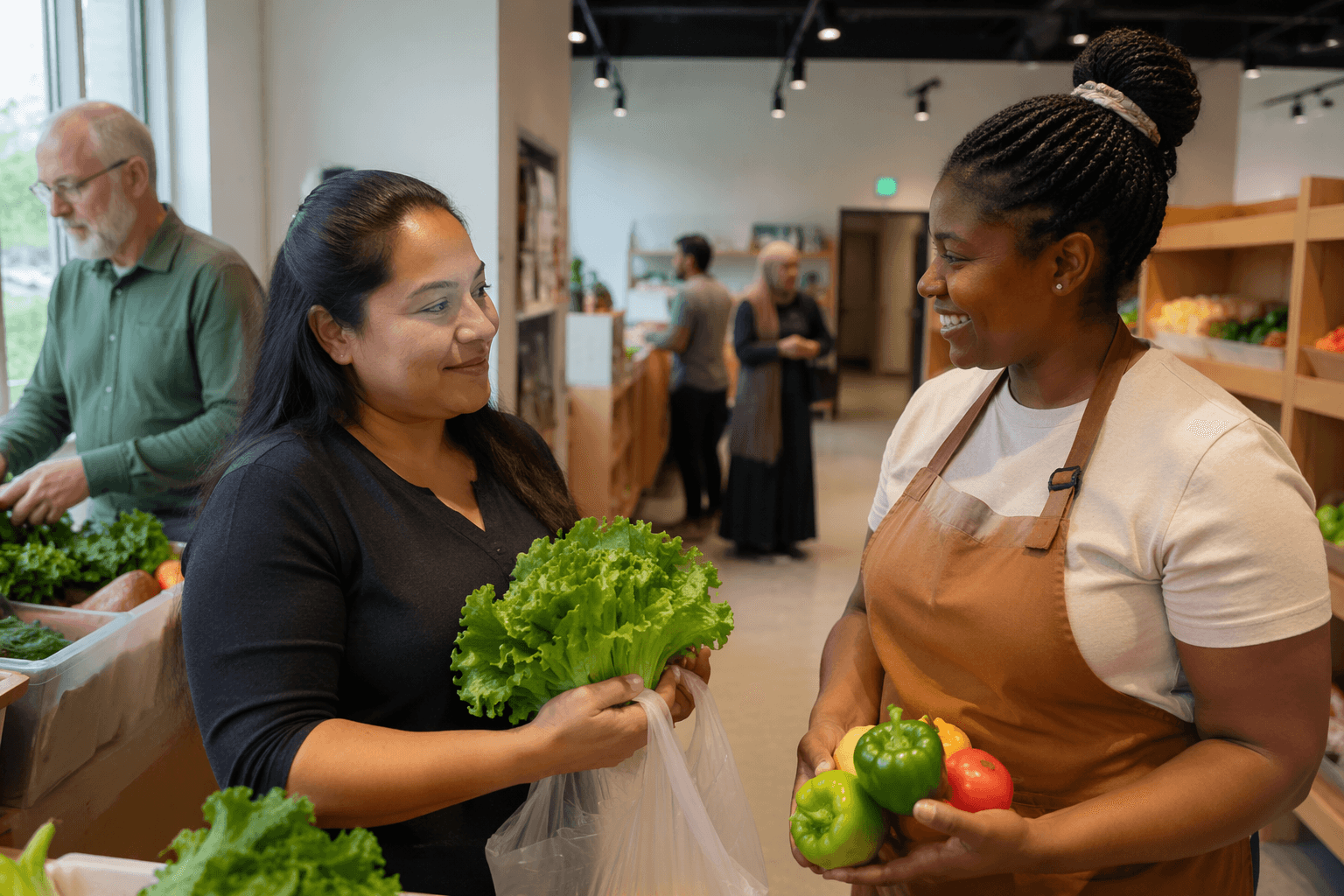
Another example is a community food center built with the idea that the pantry should feel closer to a grocery store or community hub than a handout line. That distinction matters for operations. A grocery-style setting can change how food is displayed, how people browse, and how staff think about traffic flow, while a hub model can create room for wraparound services that a traditional pantry simply cannot fit.
For A Simple Gesture, the lesson is not to copy the aesthetics. It is to identify which redesign choices actually improve access. If a layout reduces wait times, if a referral system gets people to the right food faster, or if a site structure helps families return more often, those are operational gains. A nicer room with the same bottlenecks is just decoration.
Hospital partnerships are becoming part of the food system
Health care is now central to how many of these programs work. Feeding America’s health care partnership toolkit says on-site pantries, sometimes called food pharmacies, can help patients facing transportation barriers or other obstacles get nutritious food in hospitals or clinics. That is a significant shift for the workforce around food recovery because it brings pantry design into contact with care protocols, patient flow, and medical referrals.
The precedent is already there. At the University of Chicago Medical Center, Feed1st uses multiple small, stigma-free pantries spread through the hospital. Grady Health System’s Jesse Hill Market opened on August 12, 2020, with Atlanta Community Food Bank and Open Hand Atlanta as partners. The market included fresh produce, nutrition and cooking education, and cooking demonstrations. Those details matter because they show the model is not just about moving food inside a hospital. It is about changing how people encounter it.
Houston has taken a similar path, but with its own operational logic. Houston Food Bank’s FoodRx program allows referred neighbors to redeem a food prescription twice per month at Food For Change Markets. Harris Health says its Food Farmacy uses food from the hospital farm, Houston Food Bank, and other community partners, along with walk-and-learn sessions led by dietitians. That combination of prescribed access, partner sourcing, and education turns food distribution into part of a larger care plan.
Boston’s version centers access and cultural fit
The Greater Boston Food Bank has announced the Takeda Center for Community Health & Nutrition to expand access to nutritious and medically tailored food across Eastern Massachusetts. In Roxbury, the YMCA of Greater Boston’s food-access hub is designed as a centralized warehouse and distribution point for fresh, nutritious, and culturally relevant food. That focus on cultural relevance is important because access is not only about whether food exists, but whether it is familiar, usable, and worth returning for.
Boston’s model shows how the pantry of the future can work at multiple scales at once. One site can function as a high-capacity hub, while another can operate as a medically informed distribution point. Together, they point toward a system that is more coordinated and more deliberate about who it serves.
What this means for A Simple Gesture’s day-to-day work
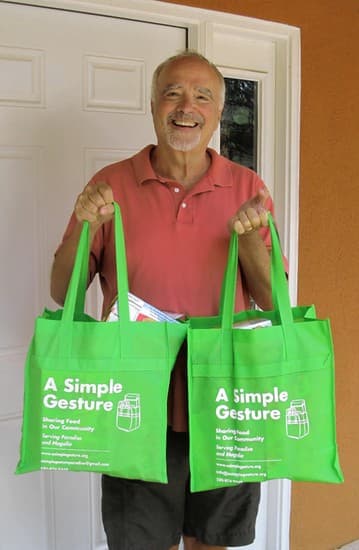
For A Simple Gesture, this shift changes how the green bag model should be understood. The job is not just to collect more food. It is to help feed a system that is becoming more selective, more health-linked, and more dependent on smooth handoffs between donors, volunteers, pantry partners, and referral networks.
- Volunteer recruitment and retention may improve when people understand the route system as part of a larger service chain, not just a pickup task.
- Pickup coordination matters more when partner pantries need reliable timing, predictable volumes, and food that fits a health-focused distribution model.
- Pantry partnerships become more strategic when the partner site is also handling referrals, nutrition education, or clinic-linked access.
- Community reach grows when the work is judged by repeat use, shorter waits, and easier navigation, not only by pounds collected.
That has practical consequences:
The bigger message is clear. The best pantry redesigns are not the prettiest ones. They are the ones that remove friction, make healthy food easier to reach, and connect food recovery to the real systems people already rely on. For frontline nonprofit workers, that is less a branding exercise than an operating principle.
This article was produced by Prism’s automated news system from verified source data, official records, and press releases, then run through automated quality and moderation checks before publishing. The system is built and supervised by the people who set the standards it runs under. Read our full AI policy.
Did this article answer your question?