Treasure Coast Food Bank expands warehouse to boost hunger relief network
Treasure Coast Food Bank’s bigger Fort Pierce warehouse gave it room to store more, move faster and support 300 partner agencies across four counties.

Treasure Coast Food Bank’s larger Fort Pierce warehouse changed the scale of its hunger relief work in practical ways: more storage space, the ability to buy in larger quantities when food became available and a stronger base for getting product to partner agencies without delay. The nonprofit said the new operations center also mattered when storms hit, because the building was designed to keep food and emergency supplies moving across its four-county network.
Founded in 1988, the food bank served Indian River, Martin, St. Lucie and Okeechobee counties as the only food bank in the region, with roughly 300 local agencies and nonprofits depending on it for supply. Its 2025 annual report said it supported 300 agency partners, distributed 59 million meals and shared 15.6 million pounds of fresh fruits and vegetables. It also engaged 13,209 volunteers, who gave 59,440 hours of service, a reminder that the operation ran on both logistics and people power.

The expansion carried a heavier emergency-services role too. A Florida Senate local funding request dated Feb. 4, 2025 described the project as a 132,000-square-foot hurricane-resilient warehouse and distribution center built to support more than 250,000 food-insecure residents each week and absorb a projected 76% increase in demand. The request put total project costs at $32 million and tied 53 jobs to the development, underscoring how food relief infrastructure now doubled as disaster infrastructure.
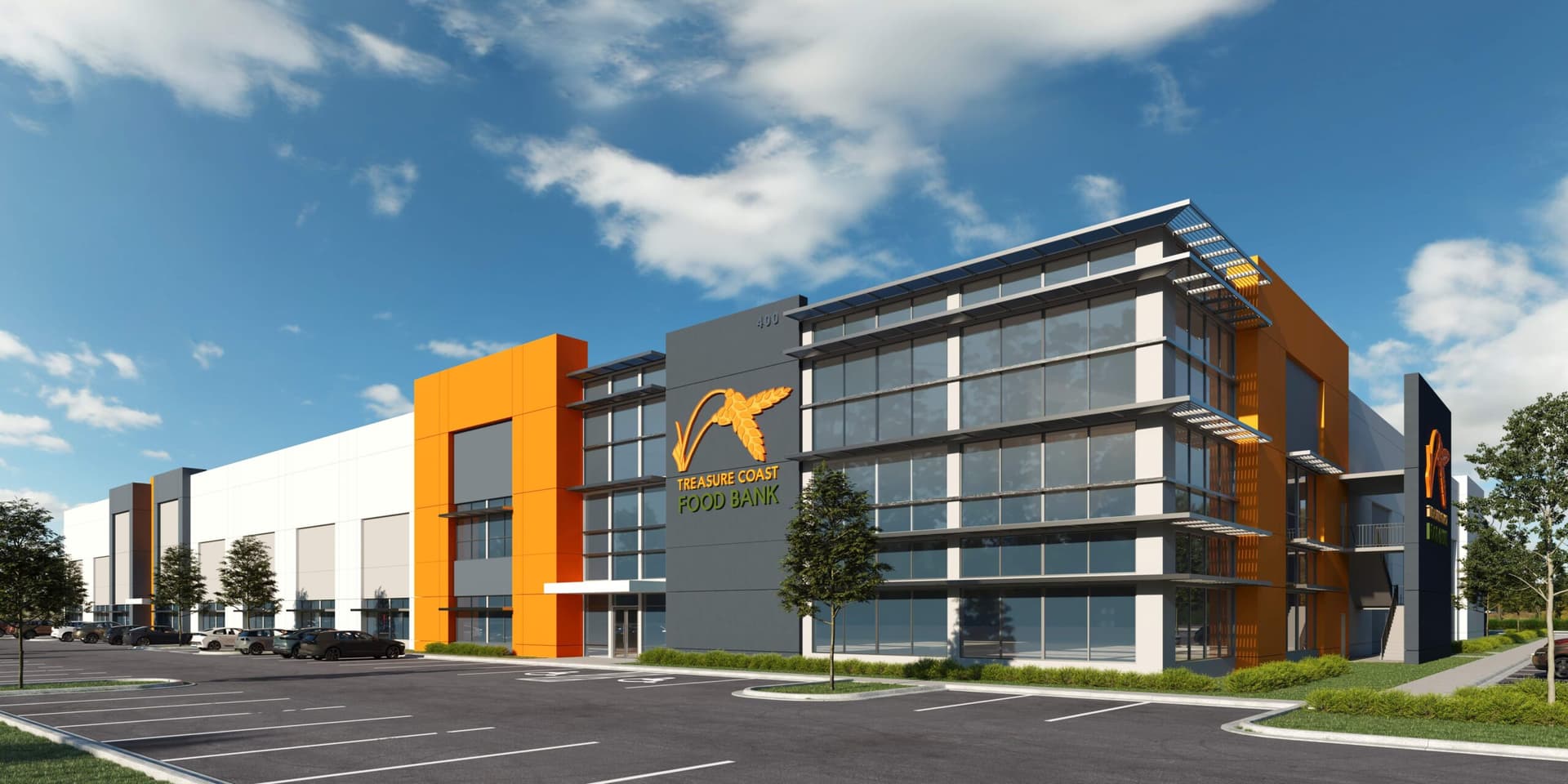
Treasure Coast Food Bank has said the new operations center at 400 Loop Road in Fort Pierce would provide uninterrupted operations during and after storms and serve as a staging area for Florida emergency disaster response teams. The organization broke ground on the facility on Feb. 16, 2024, and in June 2025 said it was preparing to open the new center later that summer while working with APTMetrics on workforce planning.

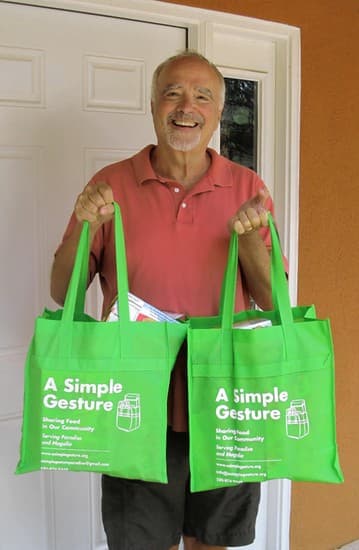
Judith A. Cruz, who has led the food bank as president and CEO for 15 years, has said the region’s needs continued to grow and that the organization was investing in its team to prepare for the move. For food-recovery groups like A Simple Gesture, the lesson was blunt: scale is not just about a bigger building, but about how quickly staff can receive donations, keep pickup routes moving, support pantry partners and turn volunteer effort into reliable food access for thousands of families.
This article was produced by Prism’s automated news system from verified source data, official records, and press releases, then run through automated quality and moderation checks before publishing. The system is built and supervised by the people who set the standards it runs under. Read our full AI policy.
Did this article answer your question?