USDA opens $4.8 million grants for food insecurity projects
USDA’s new $4.8 million grant round gives food recovery groups until July 16 to win $25,000 to $400,000 for projects that build long-term self-reliance.
Food banks, gleaners and neighborhood food recovery groups have a live shot at federal money, but the window is short. USDA’s National Institute of Food and Agriculture opened the FY26 Community Food Projects Competitive Grants Program with $4.8 million in estimated funding, awards ranging from $25,000 to $400,000 and a matching requirement, with applications due Thursday, July 16, 2026, at 5 p.m. Eastern Time.
The grant is aimed at projects that do more than plug an emergency gap. USDA describes it as a one-time infusion of federal assistance meant to help communities become self-reliant over time, with proposals built around both short-term and long-term goals. Federal guidance also frames the program around food access, self-reliance, food insecurity and food loss and waste, especially in historically underserved communities. A webinar for applicants is set for June 30, and Pascale Jean is listed as the contact for more information.
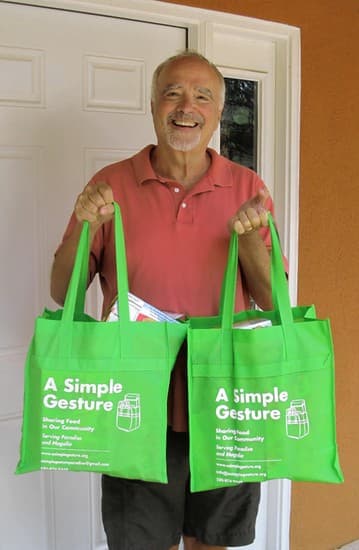
For organizations like A Simple Gesture, that structure points straight at the operational work that can make or break a proposal. The strongest fit is not a general hunger campaign, but a project with a measurable payoff, such as tighter pickup route coordination, better volunteer retention, stronger pantry delivery schedules, or a local sourcing and recovery plan that keeps more food moving through the system with less waste. The program’s matching requirement also favors groups that already have community backing, donor support and partnerships in place.
A Simple Gesture has built that kind of base in Guilford County, North Carolina. The group says it has operated since 2015, while its broader model dates to 2011, and it says its work has helped donate more than 8,000,000 child-size meals as of December 2025. It also says the value of donated food had reached $13,000,000, alongside 75-plus pantry partners, 3,900-plus recurring food donors and 200 monthly volunteers. Headquartered in Greensboro, the nonprofit has centered its model on convenient doorstep collection, corporate pickups and food recovery.
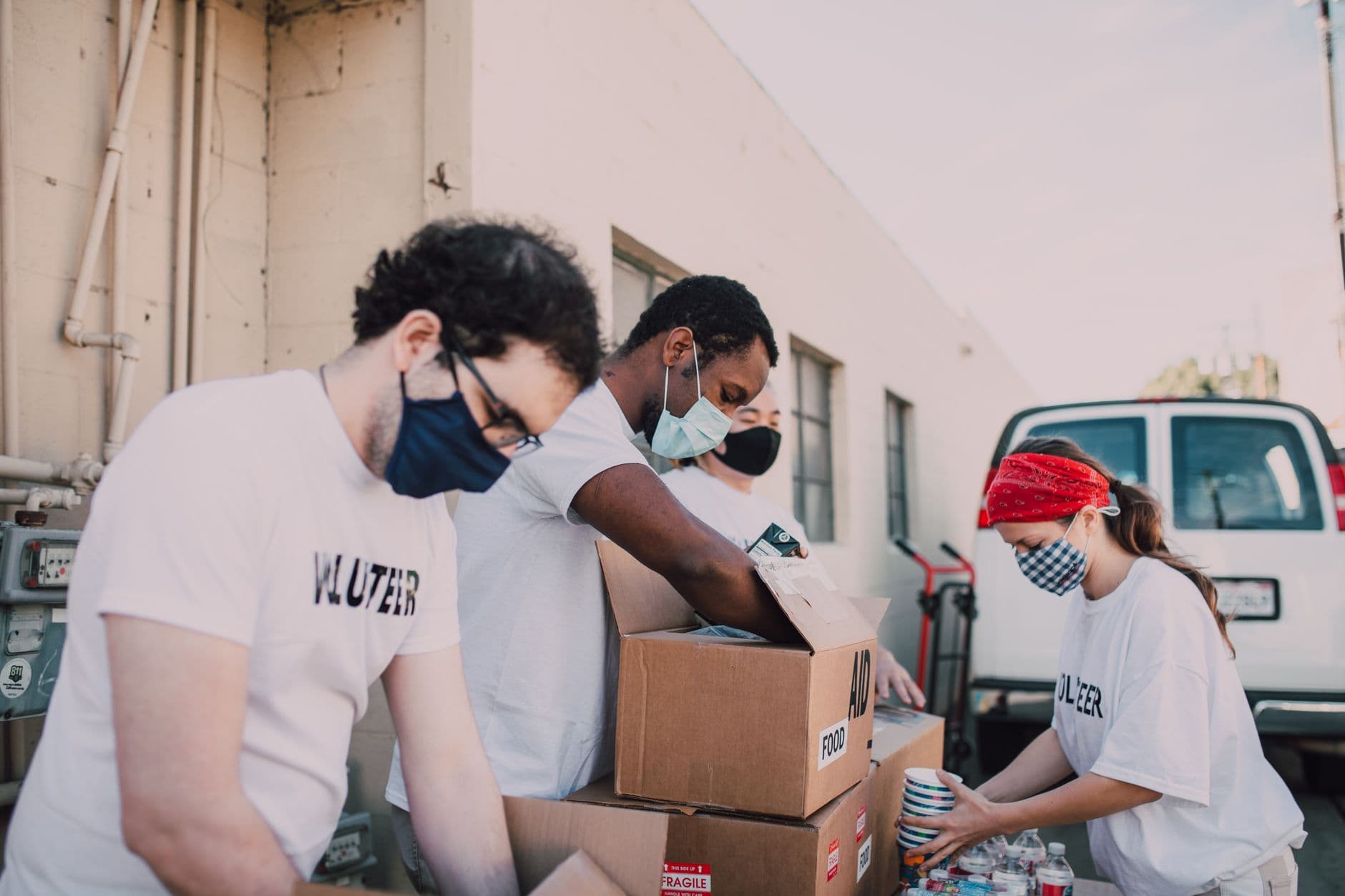
That combination of scale and logistics is exactly why this grant matters now. USDA is signaling interest in projects that can turn community food work into something durable, not just charitable. For nonprofits with a clear pilot, a defined partner network and a plan to keep the work going after the federal dollars run out, this opening is built for action.
This article was produced by Prism’s automated news system from verified source data, official records, and press releases, then run through automated quality and moderation checks before publishing. The system is built and supervised by the people who set the standards it runs under. Read our full AI policy.
Did this article answer your question?