USDA Rural Development modernizes operations to boost rural service access
USDA's rural arm will keep Washington links but shift select jobs to St. Louis and Dallas-Fort Worth, changing where grant and loan work gets done.
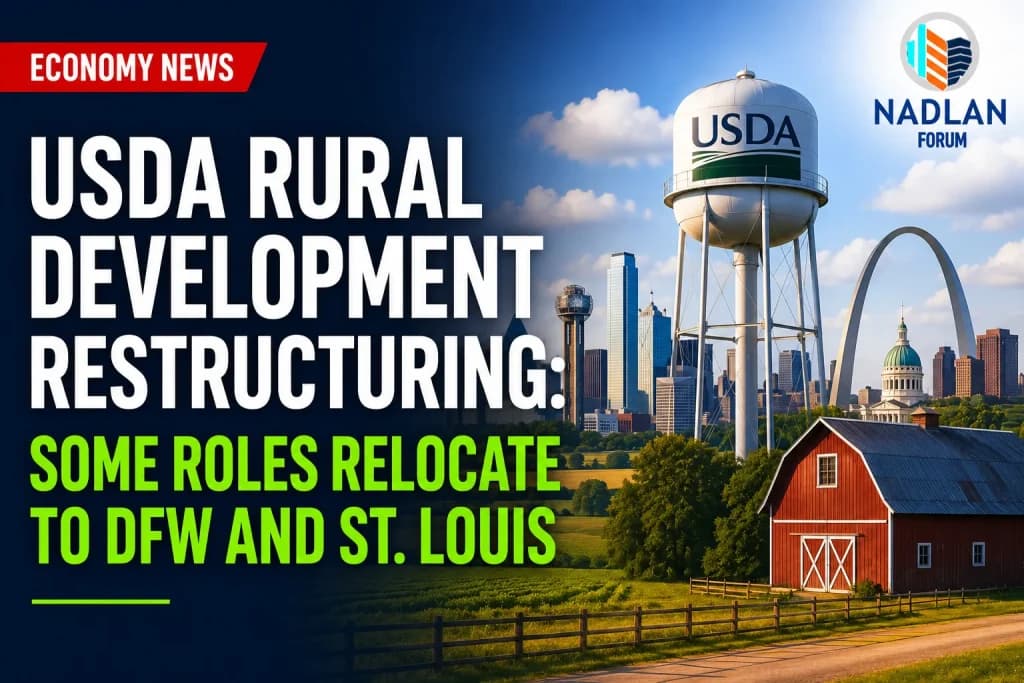
USDA Rural Development’s shift to St. Louis and Dallas-Fort Worth could change where rural nonprofits send loan and grant questions, how fast requests move, and which office handles follow-up. The agency said it will keep a National Capital Region presence for congressional coordination, interagency work, regulatory functions and policy support, but will relocate select NCR-based positions to the two new hubs.
The June 17 restructuring is part of a broader USDA effort to improve efficiency and customer service. USDA said Rural Development will keep its field-based footprint of more than 3,000 employees in more than 400 offices across rural America, a scale that makes the change less about closing service points than about moving the work behind them. The department first set out that wider reorganization on July 24, 2025, under Secretary Brooke L. Rollins.

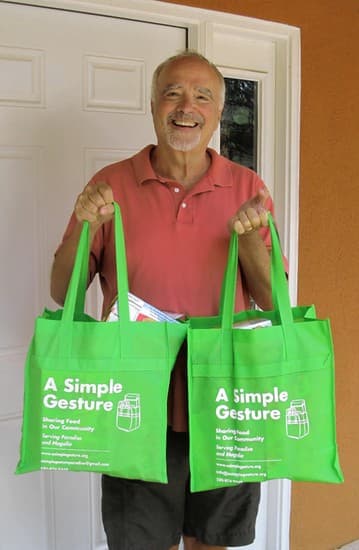
For groups like A Simple Gesture, the operational lesson is straightforward: when a federal agency changes how it routes work, local partners feel it in the pace of approvals, the clarity of contacts and the amount of help available for community projects. A chapter or pantry partner in a smaller town may have to adjust to different application paths for facility upgrades, transportation support or other rural development help. That matters for organizations that depend on predictable communication as much as on funding itself.
A Simple Gesture-Guilford County was established as a 501(c)(3) nonprofit in 2015 and built its model around making food giving simple through pickup-based programs. The organization says it has grown from local roots in Guilford County, North Carolina, to more than 65 communities nationwide, including Greensboro, Northern Virginia and Paradise, California. As of December 2025, it reported more than 8,000,000 child-size meals donated, about $13,000,000 in donated-food value, more than 75 pantry partners, 3,900 recurring donors and 200 monthly volunteers.
That scale makes the USDA move worth watching over the next 90 days. Rural food recovery depends on the same basics Rural Development says it wants to strengthen: local relationships, dependable logistics and simple access for people who cannot easily travel to a pantry or distribution site. For A Simple Gesture staff and coordinators, the practical question is whether federal touchpoints become easier to navigate or more segmented as work shifts to the St. Louis and Dallas-Fort Worth hubs.
This article was produced by Prism’s automated news system from verified source data, official records, and press releases, then run through automated quality and moderation checks before publishing. The system is built and supervised by the people who set the standards it runs under. Read our full AI policy.
Did this article answer your question?