WIC infrastructure grant shows why food access depends on better systems
A new WIC grant focuses on the systems behind food access, from EBT technology to cleaner eligibility data, with state agencies facing a July 13 deadline.
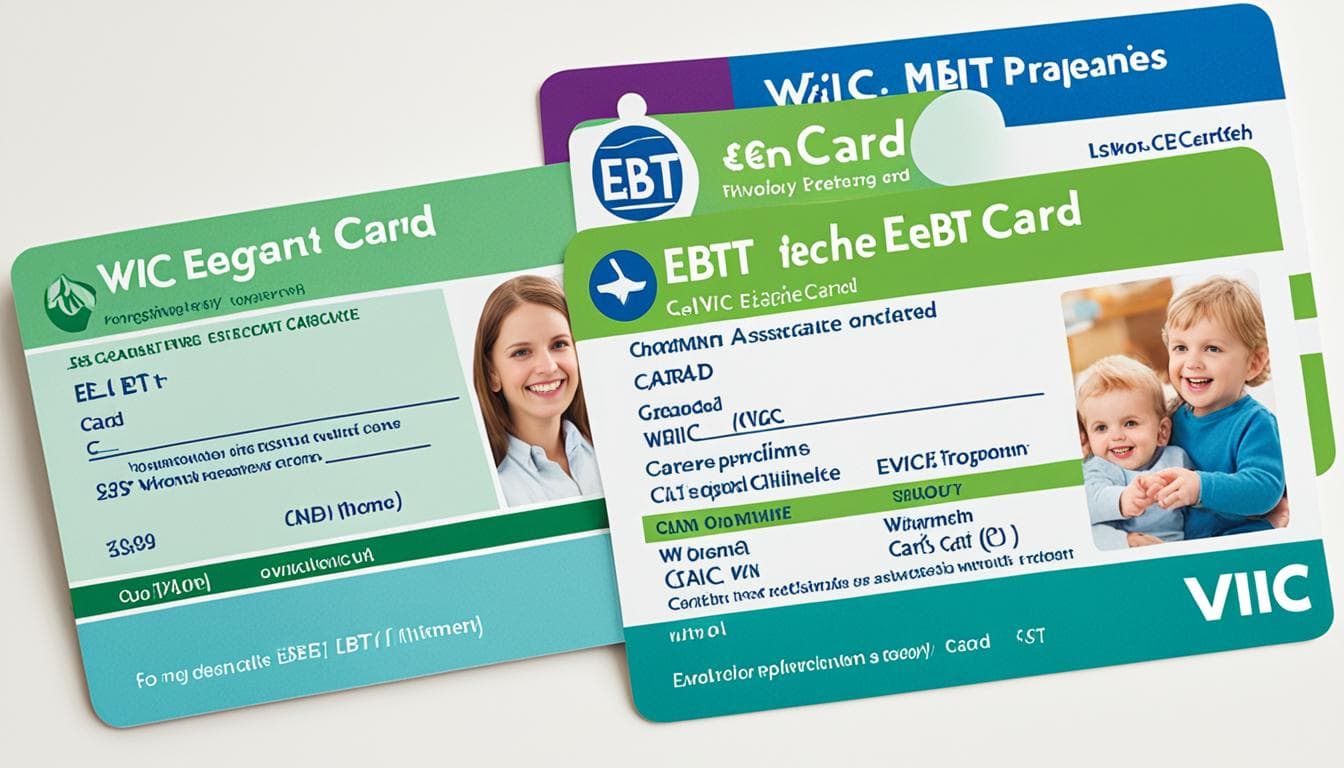
The newest WIC infrastructure grant is less about headlines than plumbing. Opened June 10, it gives the 88 state agencies that administer WIC until July 13 to apply for money aimed at program integrity, farmers market redemption and modernized technology, including WIC management information systems and WIC EBT systems.
That matters well beyond government offices. For A Simple Gesture staff who coordinate pantry partners, driver routes and special food distributions, the federal push is a reminder that food access now lives or dies on clean data, reliable systems and records that can be trusted in the field. When donation pickups, pantry handoffs and referral relationships get more complicated, weak systems create delays, duplicate work and preventable mistakes.

USDA has been moving in this direction for years. Its modernization materials say the agency is investing strategically in WIC infrastructure so the program remains cost-effective for the next 50 years, and its 2024 evaluation says it awarded grants to all 88 WIC state agencies to modernize technology and service delivery, improve the shopping experience and expand access to farmers markets. Participation also climbed during that period, rising from 6.24 million in fiscal 2021 to 6.58 million in fiscal 2023 and 6.84 million in September 2024.

The funding history helps explain why the infrastructure grant is focused where it is. The American Rescue Plan Act of 2021 gave USDA $390 million for WIC and WIC Farmers Market Nutrition Program outreach, innovation and modernization efforts, but that authority ended Sept. 30, 2024. USDA has also said the Farmers Market Nutrition Program, created by Congress in 1992, now operates in 49 states. In other words, the grant is part of a longer shift toward auditable, modern redemption systems that can work in real retail settings, not just on paper.
That is the same direction A Simple Gesture has already taken in its own recovery network. The Guilford County operation, established in 2015 and built on a template dating to 2011, says it works with dozens of local food pantries, more than 1,700 food donors and numerous volunteer drivers who collect over 132,000 pounds of food each year. Another profile says A Simple Gesture Greensboro has collected more than 4 million pounds since 2015 from about 6,000 donors.
The organization’s model depends on volunteers using a smartphone and a personal car, which makes accurate route data and dependable recordkeeping part of the job, not an afterthought. The same lesson runs through WIC infrastructure: if the systems are messy, the people doing the work feel it first, and the families trying to access food feel it next.
This article was produced by Prism’s automated news system from verified source data, official records, and press releases, then run through automated quality and moderation checks before publishing. The system is built and supervised by the people who set the standards it runs under. Read our full AI policy.
Did this article answer your question?