World Food Program USA, Lions Clubs expand school meals partnership to 7 countries
World Food Program USA and Lions Clubs are putting $12 million behind school meals in seven countries, after a pilot reached more than 653,000 children.
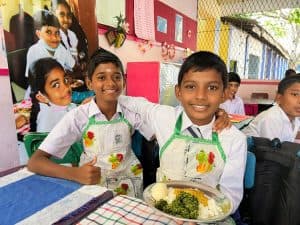
World Food Program USA and Lions Clubs International Foundation have committed $12 million over three years to expand homegrown school meals, a move that will put the partnership into Ghana, Honduras, Kenya, Madagascar, Nicaragua, Uganda and Nepal and deepen a model built to feed children while supporting local economies.
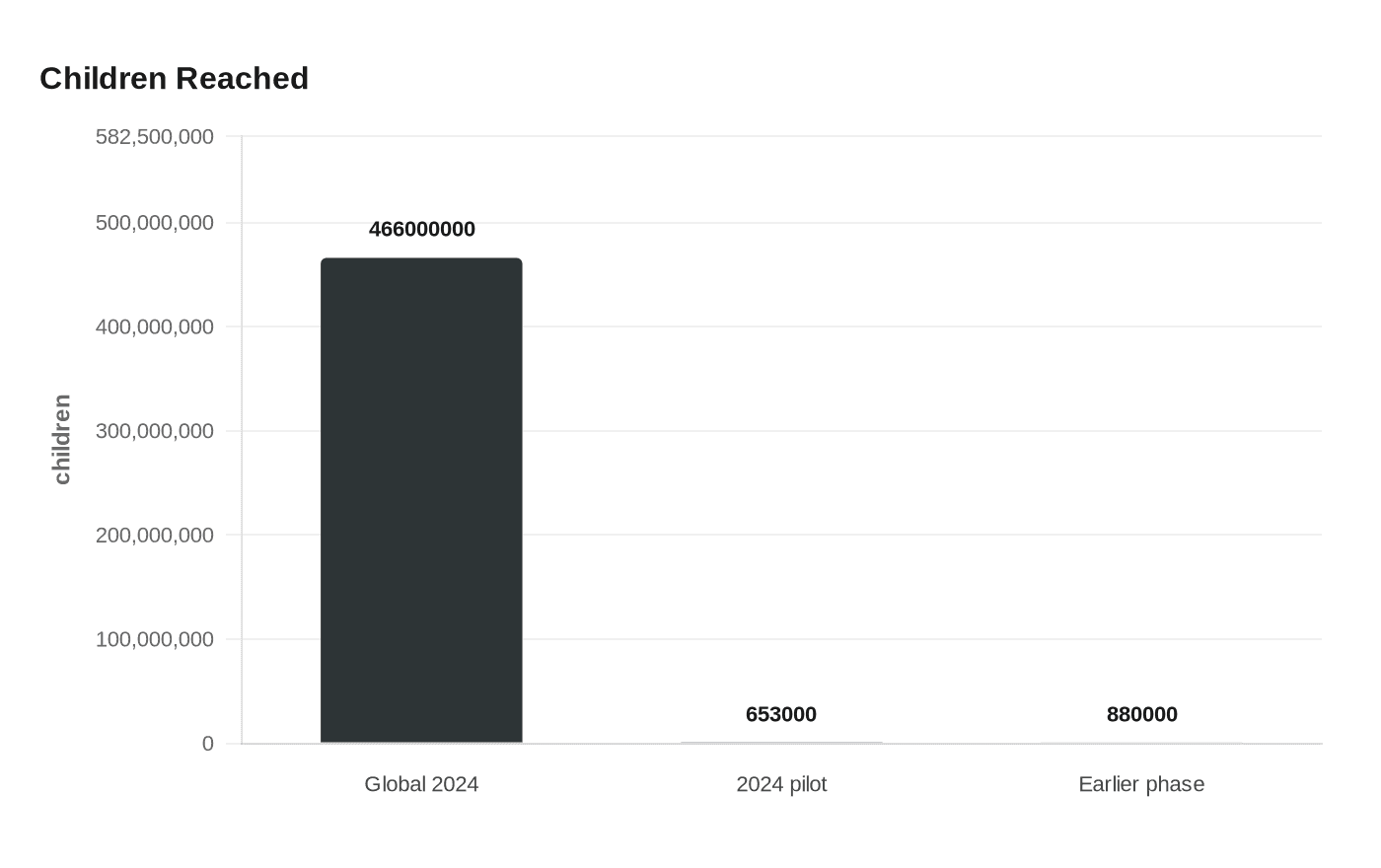
Each organization will contribute $2 million a year to the effort, which builds on a 2024 pilot that reached more than 653,000 children across four countries. World Food Program USA said the earlier phase of the partnership, which began in Nepal, Sri Lanka, Uganda and Ecuador, ultimately reached about 880,000 children across 7,000 schools, a scale that shows how quickly a school-meals program can grow once it moves from test run to operating system.
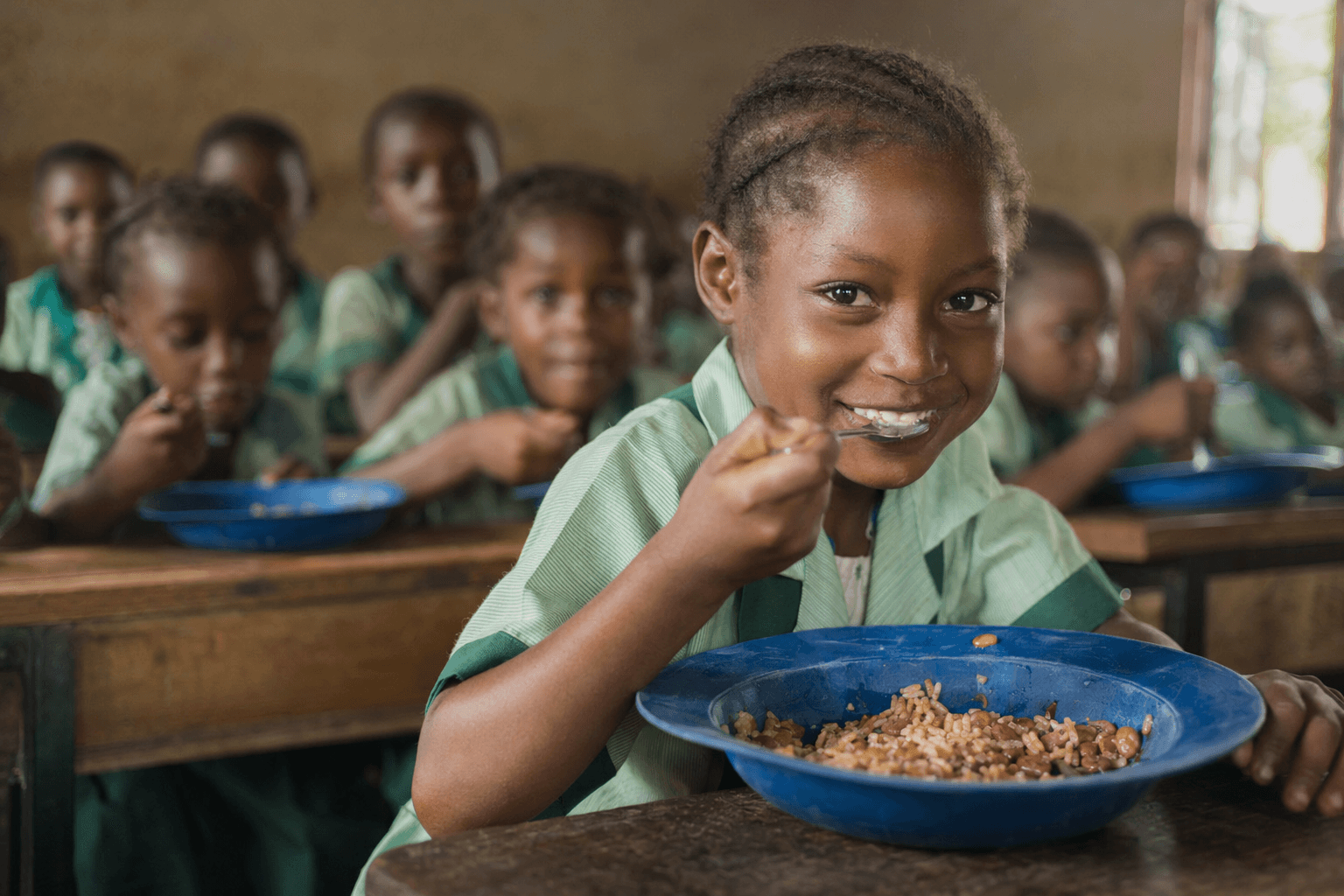
The numbers matter because school meals are not just a nutrition play. The World Food Programme says school meal programmes can generate up to $35 in economic return for every $1 invested, and its 2024 reporting puts the global total at 466 million children benefiting from school meal programmes, nearly 80 million more than in 2020 through government-led efforts. The agency also says meals can help keep girls in school, reduce the risk of early marriage and child labour, and support smallholder farmers through home-grown procurement. Barron Segar, president and CEO of World Food Program USA, said the expansion comes at a critical time and that Lions and LCIF are turning compassion into action to provide children the nutrition they need to learn and grow.
For staff and volunteers at neighborhood food-recovery groups, the lesson is familiar. Homegrown school meals work because they are predictable, locally anchored and tied to institutions families already trust. That is the same logic behind a strong green-bag pickup route, a school pantry partnership or a summer meal drive: the food gets where it needs to go when the workflow is reliable and the local partners own it. In this case, the food system is doing more than filling plates. It is linking classrooms, farmers and supply chains in a way designed to hold up after the initial donation cycle ends.
Know something we missed? Have a correction or additional information?
Submit a Tip

.webp%3Ft%3D1742564842&w=1920&q=75)