World Food Programme warns of worsening hunger in 13 countries
The UN says hunger will worsen across 13 countries, with 266 million people affected and Sudan, South Sudan, Yemen and Palestine the worst-hit.
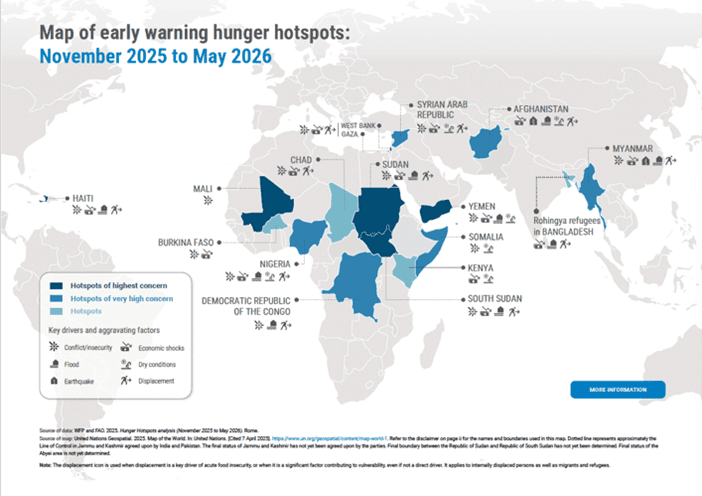
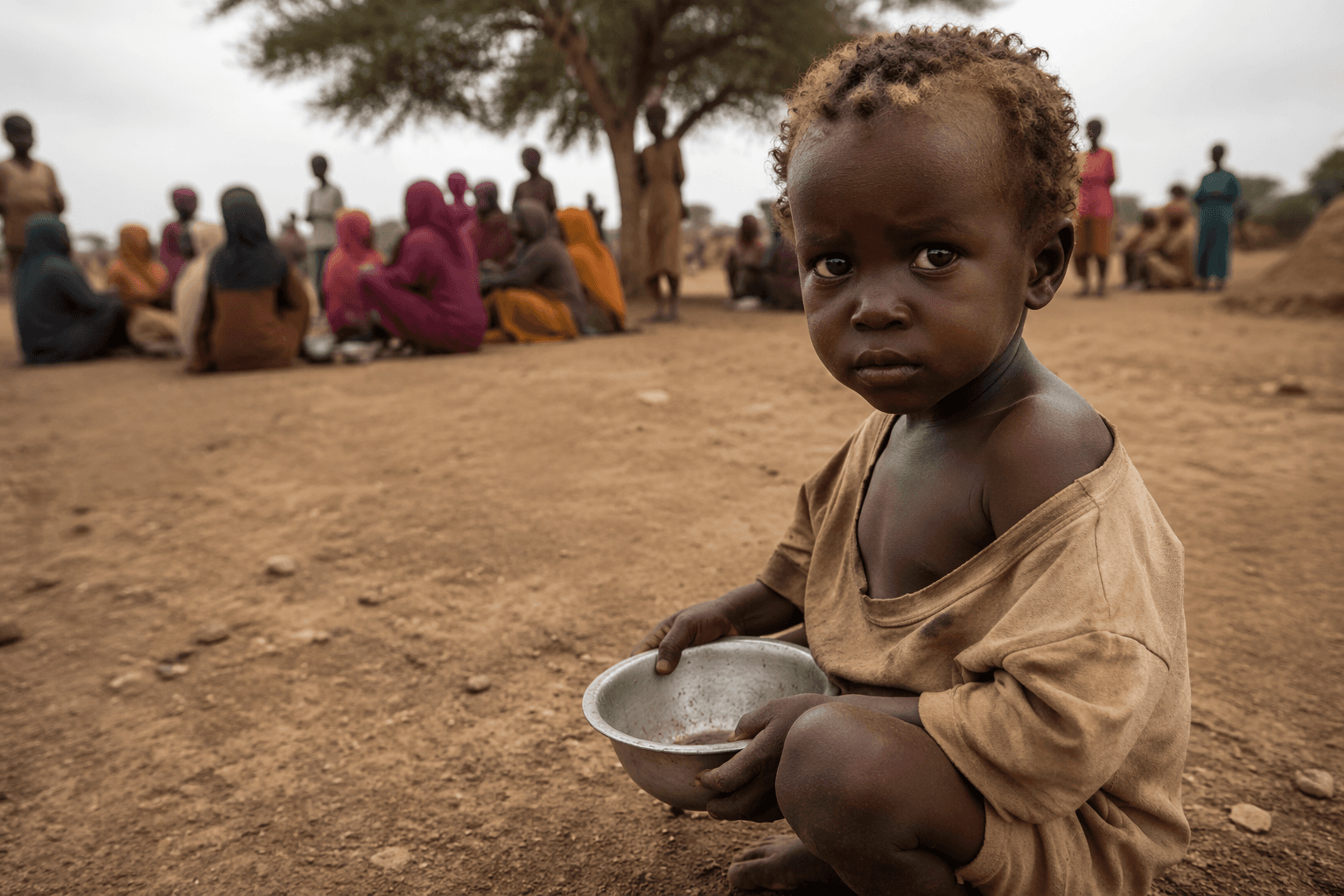
Acute hunger is set to worsen across 13 countries from June through November 2026, and the latest UN-backed hunger outlook puts Sudan, South Sudan, Yemen and Palestine at the top of the danger list. Nigeria and Somalia were added to the highest-concern category, with Borno State in northeast Nigeria facing Catastrophe levels of acute food insecurity and Somalia’s Bay region at risk of Famine.
The tenth Hunger Hotspots outlook, released through the Global Network Against Food Crises, says armed conflict and violence are driving 12 of the 13 hotspots. It also warns that economic shocks, severe funding shortfalls and El Niño-related weather patterns could deepen drought, flooding and uneven rainfall, leaving about 266 million people across the identified countries facing high levels of acute food insecurity.
Beth Bechdol, the deputy director-general of the Food and Agriculture Organization of the United Nations, said the central question is whether the world acts early enough and at the necessary scale. Carl Skau, the World Food Programme’s acting executive director, said conflict, shocks and disasters are forcing families into impossible choices. The agencies said funding for food assistance, emergency agricultural assistance and nutrition responses in food crises fell by an estimated 59 percent between 2022 and 2025.
The broader 2026 Global Report on Food Crises adds another warning signal: acute hunger has doubled over the past decade, and two famines were declared last year for the first time in the history of that report series. The new outlook also says recent shocks, including the ripple effects of conflict in the Middle East and an Ebola outbreak in eastern Democratic Republic of the Congo, are disrupting livelihoods, markets and humanitarian access.
For A Simple Gesture, the point is not to chase international relief work, but to read the warning as a reminder that hunger is a systems problem. The nonprofit says it rescues edible food from businesses and delivers it to local nonprofits in Guilford County, and says the United States wastes 30 to 40 percent of the food it produces. Since 2015, it has built its green bag collection program around easy doorstep giving, volunteer routes and pantry partnerships that turn surplus into meals.
The domestic need is still real. USDA Economic Research Service data show 86.3 percent of U.S. households were food secure in 2024, which means 13.7 percent were food insecure. By December 2025, A Simple Gesture said it had helped donate more than 8 million child-size meals and $13 million in food value, a scale that depends on dependable volunteers, tight pickup coordination and steady nonprofit partners when the broader food system comes under strain.
This article was produced by Prism’s automated news system from verified source data, official records, and press releases, then run through automated quality and moderation checks before publishing. The system is built and supervised by the people who set the standards it runs under. Read our full AI policy.
Did this article answer your question?