Apple faces pressure over closing first unionized U.S. store
Apple’s first unionized U.S. store is set to close, and Towson workers say they were told to reapply while other stores got transfers.
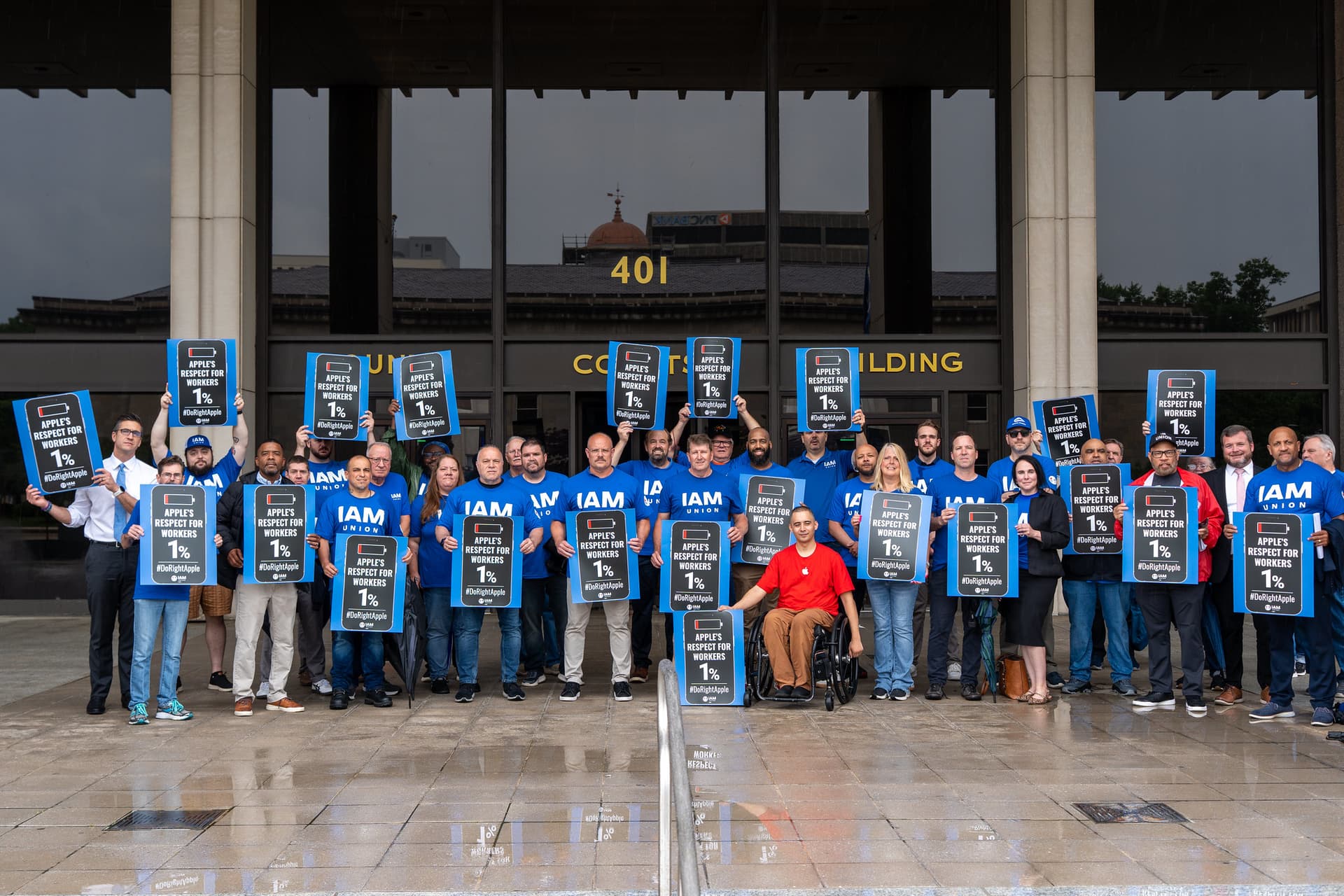
Apple’s planned closure of its Towson, Maryland store has turned a routine retail shutdown into a test case for labor rights. For Big Lots workers watching store closures and liquidation rounds, the issue is whether a company can close a location for business reasons while giving union and nonunion employees different paths out.
On April 9, Apple said it would permanently close three U.S. stores in June: Towson Town Center in Maryland, Trumbull Mall in Connecticut and The Shops at North County in Escondido, California. Apple tied the closures to the departure of several retailers and declining mall conditions. It said workers at Trumbull and North County would continue their jobs at nearby Apple Retail stores, but Towson employees would have to apply for open roles under the collective bargaining agreement.
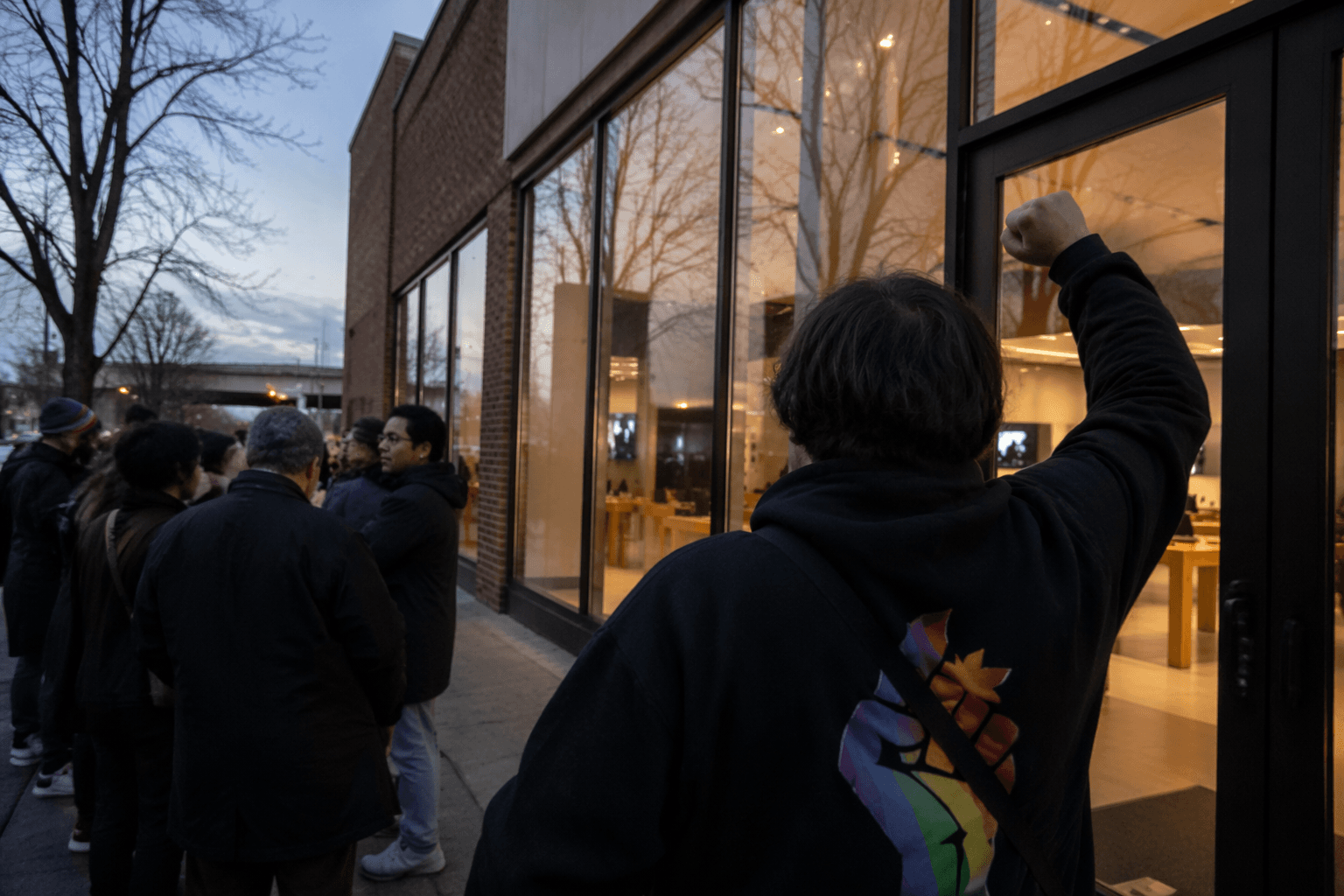
That distinction is what turned Towson into a labor flashpoint. The store became the first unionized Apple retail location in the United States after workers voted in August 2024 by 96% to join IAM Local 4538 of the International Association of Machinists and Aerospace Workers. The union said the Towson store employed about 90 workers, nearly the same figure cited by Maryland lawmakers who said the closure would affect almost 100 people and disrupt service for local residents and small businesses.
By June 17, pressure had widened far beyond the mall in Towson. The IAM Union said 40 members of Congress had signed a June 1 letter urging Apple to reverse course and treat workers fairly. Baltimore Mayor Brandon M. Scott also backed the employees. The union filed an unfair labor practice charge with the National Labor Relations Board, alleging Apple denied Towson workers transfer rights and other opportunities that were offered to non-represented employees at other closing Apple stores, and that Towson workers were told to reapply for jobs instead of being automatically moved.
Apple’s argument, as reflected in the dispute, was narrower: transfer or rehire rights appeared to apply only if the company opened a new location within 50 miles of Towson. That is the kind of clause that can decide whether a closure becomes a relocation or a layoff, and it is why the Towson case drew attention well beyond Apple’s own stores.
Big Lots has already lived through the same kind of pressure. The chain filed for Chapter 11 bankruptcy on September 9, 2024, disclosed plans to close up to 315 stores and later said 555 Columbus headquarters workers would be laid off after a sale collapsed in December 2024. At both companies, the hard question was not just whether a store closed. It was what the closure did to the jobs, and whether the company’s explanation survived scrutiny once the paperwork was on the table.
This article was produced by Prism’s automated news system from verified source data, official records, and press releases, then run through automated quality and moderation checks before publishing. The system is built and supervised by the people who set the standards it runs under. Read our full AI policy.
Did this article answer your question?