U.S. growth improves, but weak spending keeps Big Lots cautious
GDP was revised up to 2.1%, but consumer spending nearly stalled, leaving Big Lots tied to cautious shoppers, tighter baskets and heavier promotion.

The Commerce Department’s Bureau of Economic Analysis revised first-quarter GDP up to a 2.1% annualized pace from 1.6%, but consumer spending nearly stalled. For Big Lots, that split matters more than the stronger headline number. A shopper can have a job and still cut back on furniture, seasonal decor and other discretionary purchases when bills, debt and prices are still biting.
That caution lands hard at a chain that has already been through a collapse in demand. Big Lots filed for Chapter 11 bankruptcy on September 9, 2024, after years of declining sales and store closures. At the time, the Columbus, Ohio-based retailer said it had started closing nearly 300 stores, even as it said it would keep operating normally. Reuters-linked reporting put the chain at more than 1,300 stores in 48 states and about 27,700 employees when it filed.

The restructuring did not stabilize the business for long. Big Lots later shifted to liquidation after the original sale plan fell apart, and reporting in 2025 put the number of closed stores at more than 400 after the bankruptcy filing. That left the company smaller, more vulnerable and far more dependent on customers showing up with enough confidence to buy beyond the basics.
Variety Wholesalers then stepped in with a separate revival plan, buying 219 Big Lots stores out of bankruptcy. The company began reopening stores on April 10, 2025, and finished the fourth and final reopening phase on June 5, 2025, bringing the total reopened locations to 219 across Florida, Georgia, Kentucky, North Carolina, Ohio, Pennsylvania, South Carolina, Tennessee and Virginia. The strategy around those stores leans on value-driven retail and closeout deals, but that model only works if shoppers are willing to spend at least a little more once they get through the door.
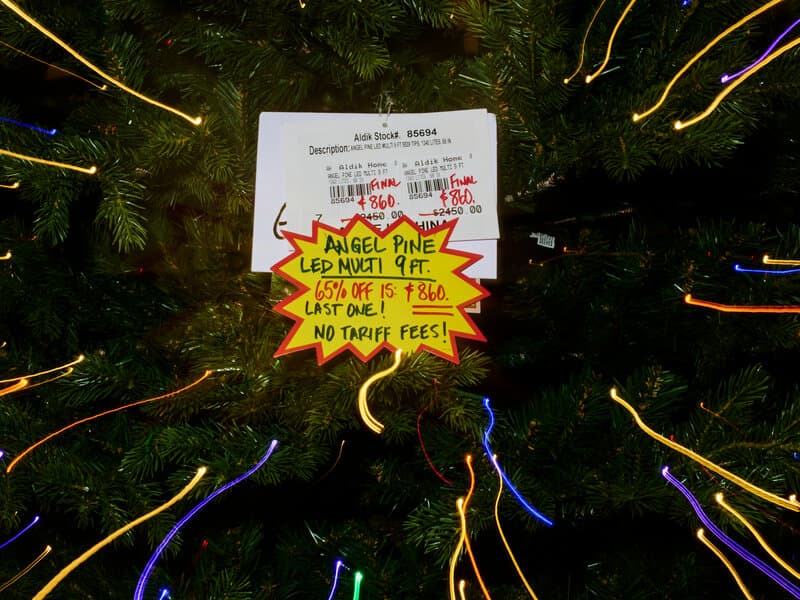
That is why weaker spending can matter more to Big Lots workers than a stronger GDP print. In stores, the pressure usually shows up in smaller baskets, more reliance on promotions, tighter labor schedules and more conservative forecasts from managers trying to protect margins. Even with a better macro backdrop, a cautious consumer keeps the company focused on value messaging and disciplined costs, because the gap between GDP growth and cash register receipts is where retail jobs feel the strain first.
This article was produced by Prism’s automated news system from verified source data, official records, and press releases, then run through automated quality and moderation checks before publishing. The system is built and supervised by the people who set the standards it runs under. Read our full AI policy.
Did this article answer your question?