Tariff fears push Big Lots holiday shipments earlier, adding store pressure
Holiday orders are moving 4 to 6 weeks earlier, raising backroom congestion and markdown risk for Big Lots as seasonal freight lands sooner.

U.S. retailers are pulling holiday merchandise forward by four to six weeks to lock in Black Friday and Christmas inventory before expected tariff hikes later this year. For Big Lots, that means the pressure starts long before shoppers see the displays: freight hits the dock earlier, seasonal sets have to move faster, and any miss in planning can sit in the building longer than usual.
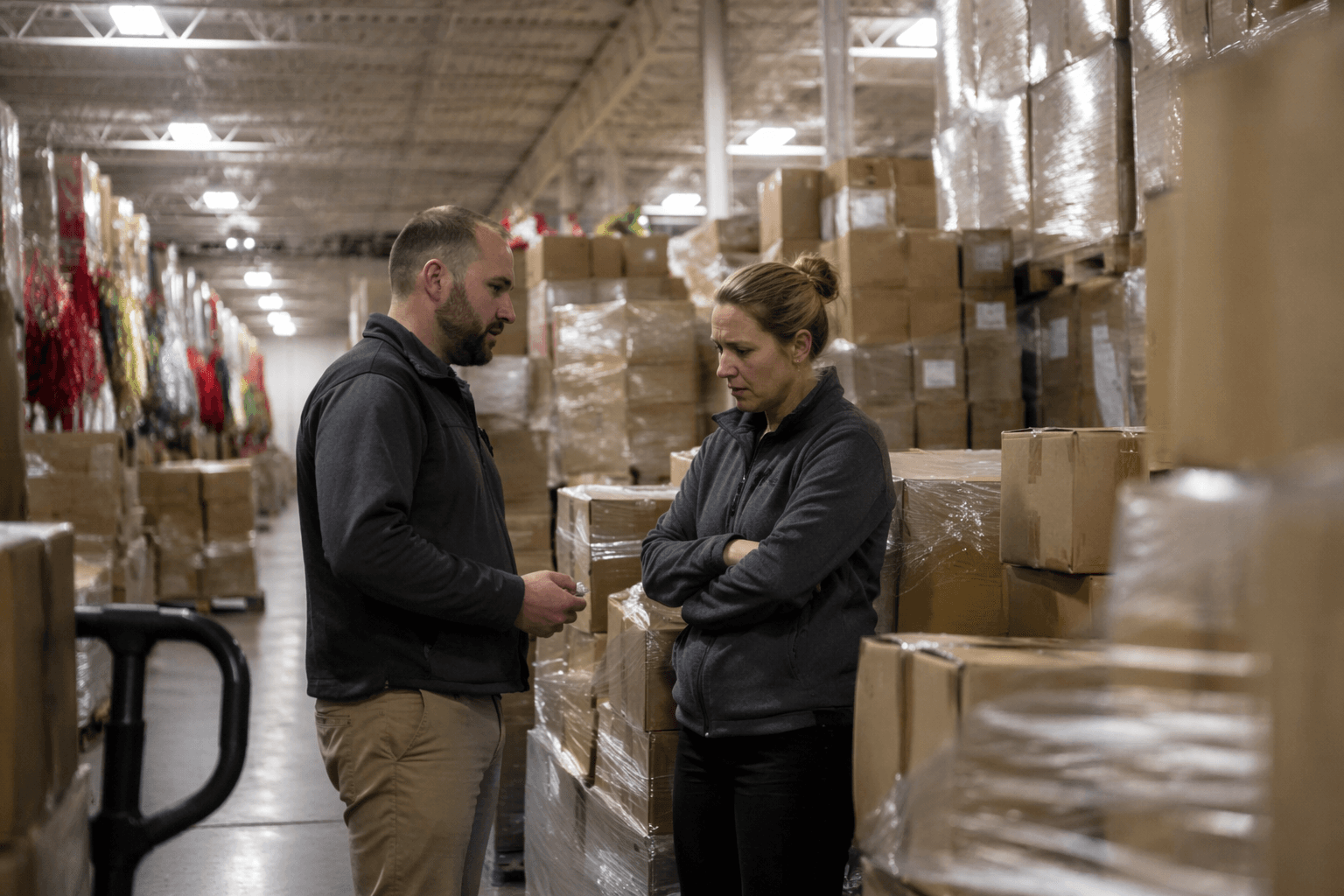
That timing shift matters in a chain built on closeouts, seasonal goods and sharp inventory turns. If product arrives sooner, stores can face a heavier receiving load, more crowding in the backroom and tighter windows to get seasonal assortments on the floor before demand peaks. The longer goods sit, the more exposure there is to shrink, damage and markdowns, especially in a format that depends on moving value merchandise quickly enough to protect margin.
The early ordering wave is also tied to trade uncertainty that has not gone away, even after President Donald Trump’s visit to China last month preserved a detente between the two countries. China-to-U.S. volumes in May and June came in stronger than expected, a sign that the usual peak shipping season shifted earlier than normal as retailers raced to get ahead of tariff risk.
Big Lots has less room to absorb mistakes than it did before bankruptcy. The company filed for Chapter 11 on September 9, 2024, in the U.S. Bankruptcy Court for the District of Delaware under Case No. 24-11967, then emerged through a sale process that put 219 stores under Variety Wholesalers. The reopened Big Lots! now operates in 15 states across the Midwest, Southeast and Mid-Atlantic.
The stores will feature remodeled locations, closeout deals and new categories including apparel and electronics. Big Lots’ brand materials point to everyday consumables, housewares, toys and seasonal goods.
This article was produced by Prism’s automated news system from verified source data, official records, and press releases, then run through automated quality and moderation checks before publishing. The system is built and supervised by the people who set the standards it runs under. Read our full AI policy.
Did this article answer your question?