Big Lots displays reveal how retail visuals drive value messaging
Big Lots’ floor sets are more than decoration: they translate value fast, especially when seasonal turns, closeouts, and tight budgets force every endcap to sell the story.
The work shoppers notice first is often the work that gets overlooked
At Big Lots, the most persuasive selling tool may be the one customers barely think about: the display. Endcaps, window treatments, patio groupings, and seasonal vignettes do more than fill space. They turn merchant decisions into a quick read on value, which matters even more when shoppers are cautious and promotions change fast.
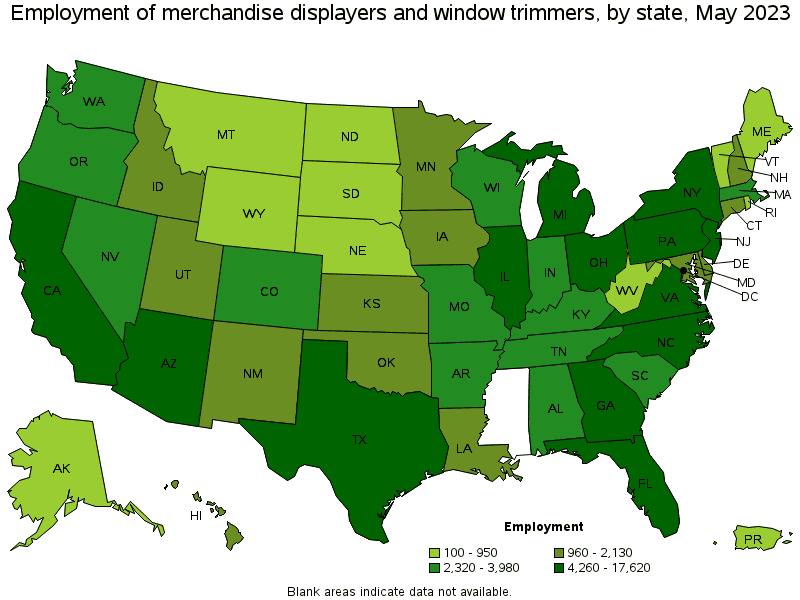
That is where the occupation of Merchandise Displayers and Window Trimmers fits Big Lots so well. The U.S. Bureau of Labor Statistics says these workers plan and erect commercial displays in windows and inside retail stores, a definition that captures the invisible labor behind the first impression on the selling floor. In May 2023, the BLS estimated 175,790 workers in the occupation, with mean hourly pay of $18.77 and median pay of $17.42.
Why the role fits a discount retailer
Big Lots describes itself as a home discount retailer, and its mix gives a clear reason why visual execution matters. The chain said that at February 3, 2024, it operated 1,392 stores and an e-commerce platform. Its product pages show a broad assortment that includes furniture, home décor, mattresses, everyday essentials, seasonal décor, outdoor decorations, groceries, and other categories.
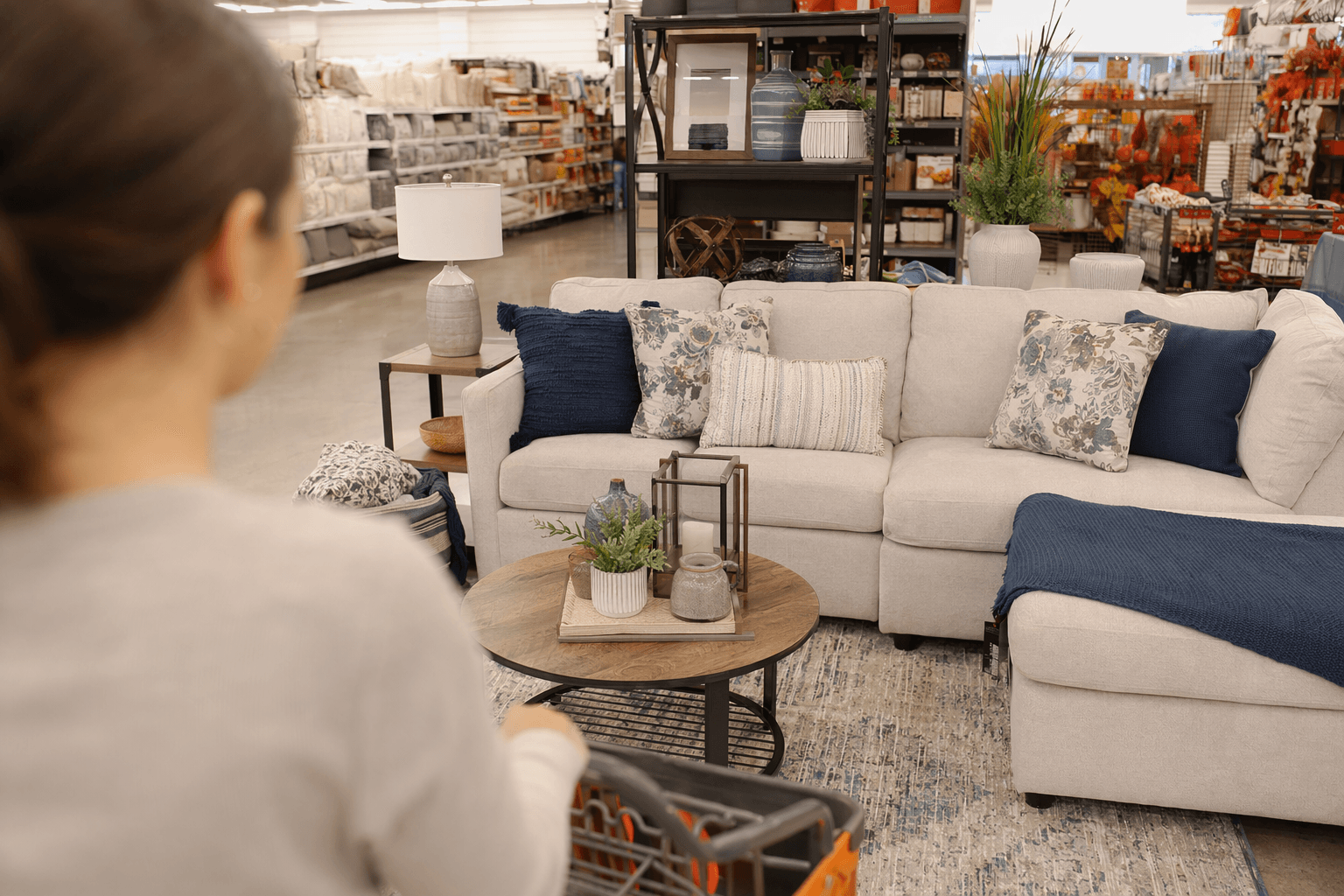
That kind of assortment does not sell itself neatly on a shelf tag alone. A sofa needs to look like a living room solution, not a lone heavy item. A lamp, rug, throw, and accent table need to read as a set. Seasonal and outdoor items have to be grouped in a way that tells shoppers immediately what occasion they are buying for, whether it is patio season, back-to-school, or holiday.
For a chain built on value, the display is part of the message. It tells customers what belongs together, what is on trend, and how much utility they get for the price. If the floor is easy to decode, the store looks cheaper in the best sense of the word: smarter, simpler, and easier to shop.
Where the merchant story becomes a floor story
Big Lots’ own filing language makes the connection even clearer. In its first-quarter 2024 report, the company said its home products categories, including Furniture, Seasonal, Soft Home, and Hard Home, continued to be negatively affected by macroeconomic pressures that were affecting customers’ discretionary spending. In its 2023 filing, it said Soft Home, Hard Home and Other, Furniture, and Seasonal merchandise categories are threatened when disposable-income levels are negatively impacted by economic conditions.
That is not just financial disclosure. It is a roadmap for why visual merchandising carries so much weight on the sales floor. When customers have less room in the household budget, the store has less time to explain itself. The display has to do that job quickly by signaling quality, utility, and value in a single glance.
At Big Lots, that means merchandise displayers are not just decorating for the season. They are compressing the merchant strategy into the most visible parts of the store, using endcaps, front-of-store fixtures, and feature areas to show why a buy is worth making now. When the promotion changes, the floor has to change with it, and speed becomes part of the selling strategy.
Seasonal selling depends on speed, not just style
The company’s seasonal category pages show how central this work is to the business. Big Lots actively markets seasonal décor and outdoor decorations as shopping destinations, which means the display team is helping create demand before a customer even reaches the aisle. Seasonal retail is especially dependent on execution because the selling window is short and the product story changes quickly.
That is why patio presentations matter so much. A good patio set-up does not merely show outdoor furniture. It frames a whole use case, from summer gathering space to impulse add-ons like décor and accessories. The same logic applies to windows and front-end displays, where a clean scene can telegraph that the store has fresh, relevant merchandise ready to go right now.

The faster a promotion turns, the more important that discipline becomes. Displays have to be reset cleanly, merchandise has to be grouped logically, and the store has to preserve the sense that value is immediate. A sloppy seasonal area can make the chain look overstocked or behind. A sharp one can make a discount assortment feel intentional.
What the disruption around Big Lots changed on the floor
Big Lots has also been operating through a major period of disruption. The company filed for Chapter 11 bankruptcy in September 2024. A December 2024 SEC filing said Big Lots did not intend to file Quarterly Reports on Form 10-Q or Annual Reports on Form 10-K after that point, and by late 2024 reporting indicated the company was moving toward broad store closures and liquidation after a failed sale process.
That kind of upheaval changes the meaning of a display team’s work. In a stable retail environment, the goal is often consistency and repeatability. In a distressed one, the floor may need to communicate markdowns, liquidation urgency, and fast-moving inventory changes while still keeping the store shoppable. The work gets more compressed, more tactical, and more visible to customers who are already scanning for bargains.
For workers, that can mean the same basic skills matter even more: speed, judgment, and the ability to translate a changing directive into a floor set that makes sense to the shopper. A display that once supported brand storytelling may now support clearance flow or remaining-stock visibility. The job is still about presentation, but the business purpose can shift by the day.
What good execution looks like at store level
The best display work at Big Lots does a few things at once. It makes value obvious. It helps customers understand what belongs together. And it keeps pace with a merchandising calendar that may pivot from one seasonal push to the next without much warning.
- Furniture should be staged as a room solution, not isolated as a bulky item.
- Home décor and soft goods should reinforce each other so the assortment feels complete.
- Seasonal décor and outdoor decorations should be easy to spot quickly, since shoppers often buy them with a specific occasion in mind.
- Endcaps should carry the fastest message in the store, whether that is a promotion, a closeout, or a seasonal transition.
That is the hidden labor behind the retail experience. The customer may notice a good deal first, but what really makes the deal legible is the work of the people who place, frame, and reset it. At Big Lots, where value has to be communicated quickly and often under pressure, the display team helps decide whether the store feels cluttered, confusing, or worth the trip.
Know something we missed? Have a correction or additional information?
Submit a Tip