OSHA warns Big Lots workers on common slip, trip and fall hazards
The hazard that looks routine in a Big Lots aisle is the one OSHA says can hurt anyone. The fix is simple, but only if housekeeping stays disciplined every shift.
The danger that disappears into the background
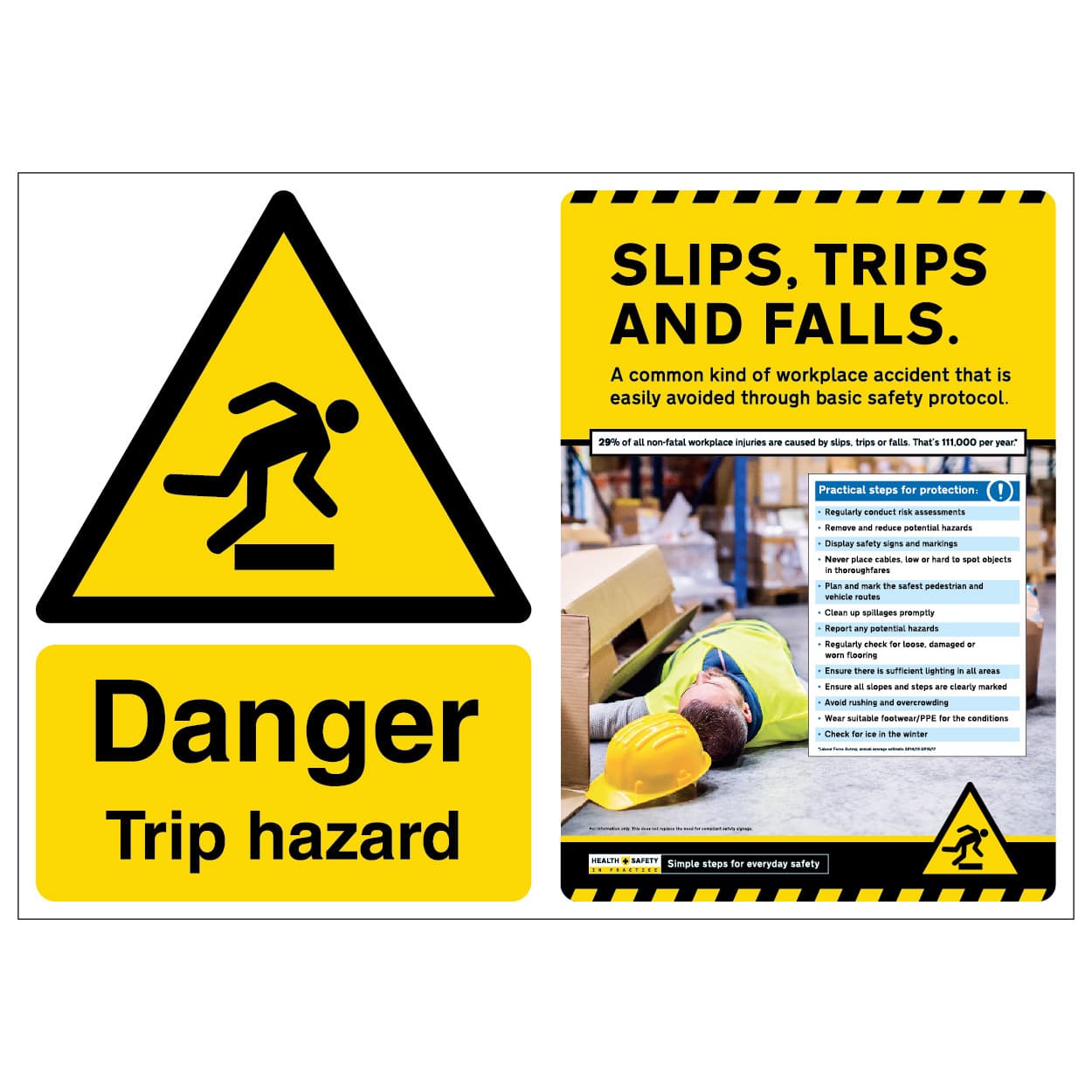
Slip, trip and fall hazards are the easiest retail risks to shrug off because they look ordinary right up until they put someone on the floor. OSHA’s guidance makes the point bluntly: these incidents are tied to walking and working surfaces, and they can hit anyone in a facility, regardless of title or job responsibilities.
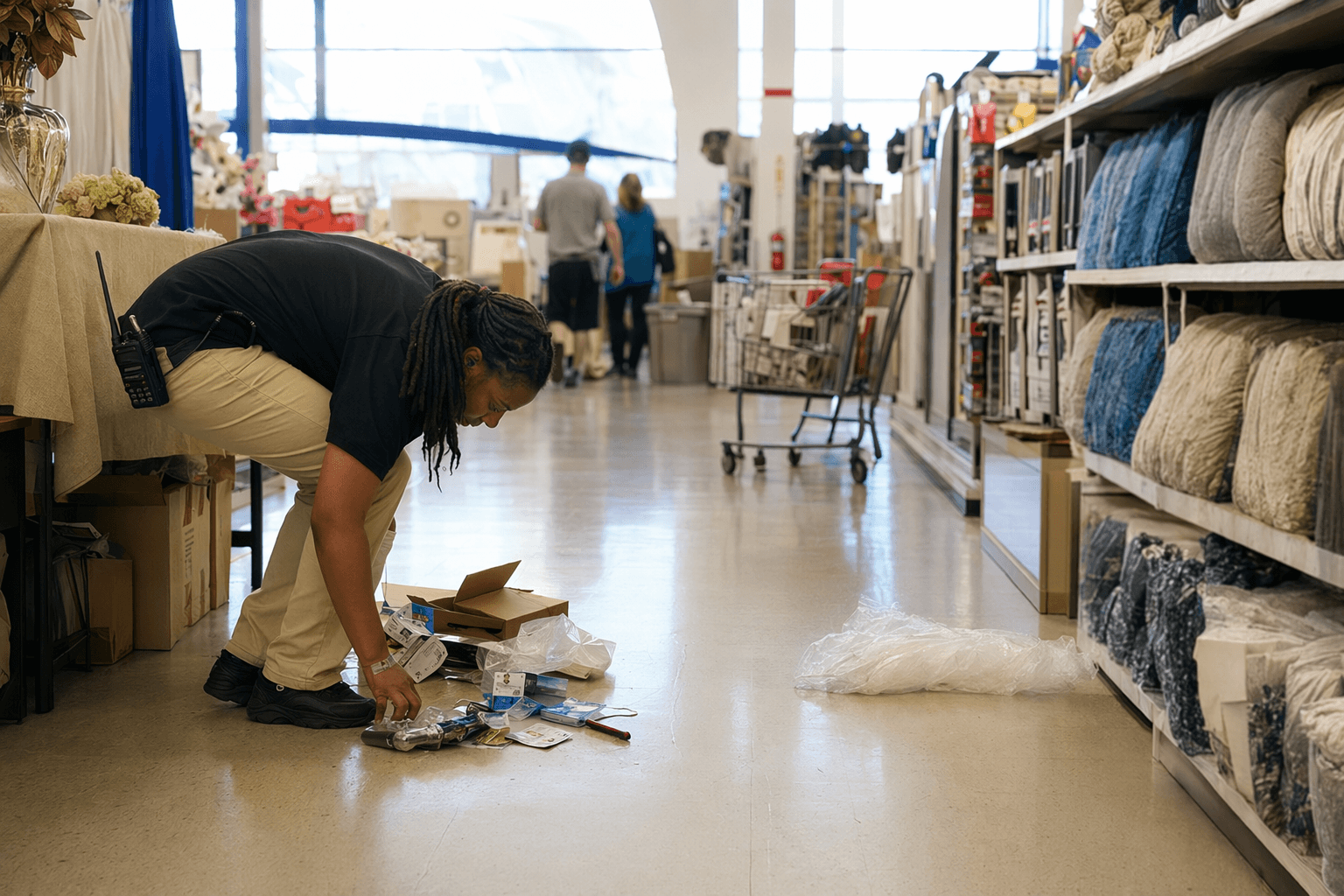
That matters at Big Lots because the store floor is always changing. Seasonal freight moves into aisles, recovery zones fill with boxes, wet entry mats get tracked through, and pillow or rug displays can shift as customers and workers move quickly during truck push or recovery. The problem is not dramatic, which is exactly why it slips past attention.
What OSHA and NIOSH are warning about
OSHA’s general walking-working-surfaces rule requires employers to keep passageways, storerooms, service rooms, and walking-working surfaces clean and orderly, and to the extent feasible dry. That standard is built around a simple idea: if people must walk there, the surface has to be maintained for walking, not merely used for storage and traffic.
OSHA says falls from heights and on the same level are among the leading causes of serious work-related injuries and deaths. In its 2016 final rule on walking-working surfaces and personal fall protection systems, OSHA estimated that about 202,066 serious lost-workday injuries and 345 fatalities occur annually among workers directly affected by the standard.
NIOSH reaches the same general conclusion from the retail side of the aisle. It says employees in wholesale and retail trade establishments suffer high rates of slip, trip and fall injuries, and its retail guidance also notes that falls from portable ladders are one of the leading causes of occupational fatalities and injuries. In other words, this is not a rare edge case. It is a routine floor problem with serious consequences.
Why Big Lots has less room for error
Big Lots has been operating under pressure since filing for Chapter 11 bankruptcy protection on September 9, 2024, after warning of substantial doubt about the company’s survival. The store-closing process quickly expanded into hundreds of locations, and that kind of upheaval changes the shape of the sales floor as well as the staffing picture.
That business backdrop matters because liquidation, freight flow and reconfiguration all make housekeeping harder to sustain. When stores are lean, workers are asked to do more with less time, which is exactly when clutter, wet spots and unstable setups start blending into the background. The risk is not just a bad step. It is a workplace where aisle control becomes harder to keep up every hour.
A floor-level prevention checklist for Big Lots
The most useful prevention tools are also the least glamorous. OSHA’s guidance points to discipline, not special equipment, as the first line of defense, and that means the floor has to be treated like a job site every shift.
Spills and wet entries
Spills are the classic retail hazard because they look temporary until somebody walks through them. Clean them fast, block off the area if needed, and do not let wet product sit long enough to become a surprise in the aisle. Wet entry mats need the same attention, because a mat that is bunched, saturated or shifting can create the very fall it was supposed to prevent.
- Spot the spill quickly.
- Clean it promptly.
- Keep the surrounding area clear until it is dry.
- Check mats so they stay stable and flat.
A strong routine is simple:
OSHA’s rule is clear that workrooms and walking-working surfaces should be kept clean and, to the extent feasible, dry. That is not a paperwork standard. It is a daily floor habit.
Recovery clutter, freight and carts
Recovery zones are where safety problems like to hide, because a zone that looks temporary can stay crowded long after the rush passes. Boxes left in customer paths, stocked pallets parked too long, and stock carts left across walkways can all turn a normal stride into a trip hazard. Seasonal freight makes that worse because the volume changes fast and the edge between selling space and staging space gets blurry.
Keep aisles clear, keep boxes out of travel paths and do not let cords, protruding objects or stray freight wrap into the route people use to move stock. OSHA’s slips-and-falls material specifically calls out clutter, protruding objects and dry debris as hazards that can turn a floor slippery or unpredictable. In a Big Lots store, that can mean a pallet corner, a loose carton flap or a display that has drifted into the route.

Ladders, mats and floor transitions
Portable ladders deserve more caution than they usually get in retail. NIOSH says falls from portable ladders are one of the leading causes of occupational fatalities and injuries, and that warning fits the kind of quick up-and-down work common during recovery and replenishment. If a ladder is unstable, wrong for the task or set on an uneven surface, it is already the wrong tool.
Workers also need to watch transitions between floor types, changes in elevation and loose mats. A shift from tile to a rougher surface, or a mat that slips at the edge, can catch a foot at exactly the wrong moment. The safest stores are the ones where people notice the transition before their shoe does.
Footwear and pace matter too
The right footwear helps, but it is not a substitute for clearing the floor. OSHA’s prevention logic is really about matching pace to conditions: do not move fast through areas with wet spots, clutter or equipment parked in the path. Cashiers, stockers, merchandisers and managers all work the same floor, which is why the same hazard can reach every role.
Why the numbers still matter
The broader injury picture helps explain why this ordinary hazard deserves serious attention. OSHA’s workplace injury release, published on April 17, 2025, showed that employers continued to report large numbers of injuries and illnesses through the Injury Tracking Application. The Bureau of Labor Statistics said private industry recorded 2.5 million injury and illness cases in 2024, with a total recordable case rate of 2.3 per 100 full-time equivalent workers, the lowest in the series going back to 2003.
Those numbers do not make slip, trip and fall injuries less personal to a worker who gets hurt on a Tuesday afternoon. They make the opposite case. The common retail floor hazard is also one of the most preventable, but only when housekeeping, reporting and aisle discipline are treated as part of the job rather than extra work.
Know something we missed? Have a correction or additional information?
Submit a Tip