Big Lots stockroom jobs power store floors as chain restructures
Big Lots’ stockroom crews decide whether the floor looks full, shoppable and promo-ready, even as the chain trims and resells parts of the business.
The work customers feel before they see it
At Big Lots, the difference between a store that feels ready and one that feels picked over usually starts in the stockroom. Stockers and order fillers are the people moving merchandise from the back of the building to the shelves, racks, tables, and customer orders, and their pace shapes the whole shopping experience.
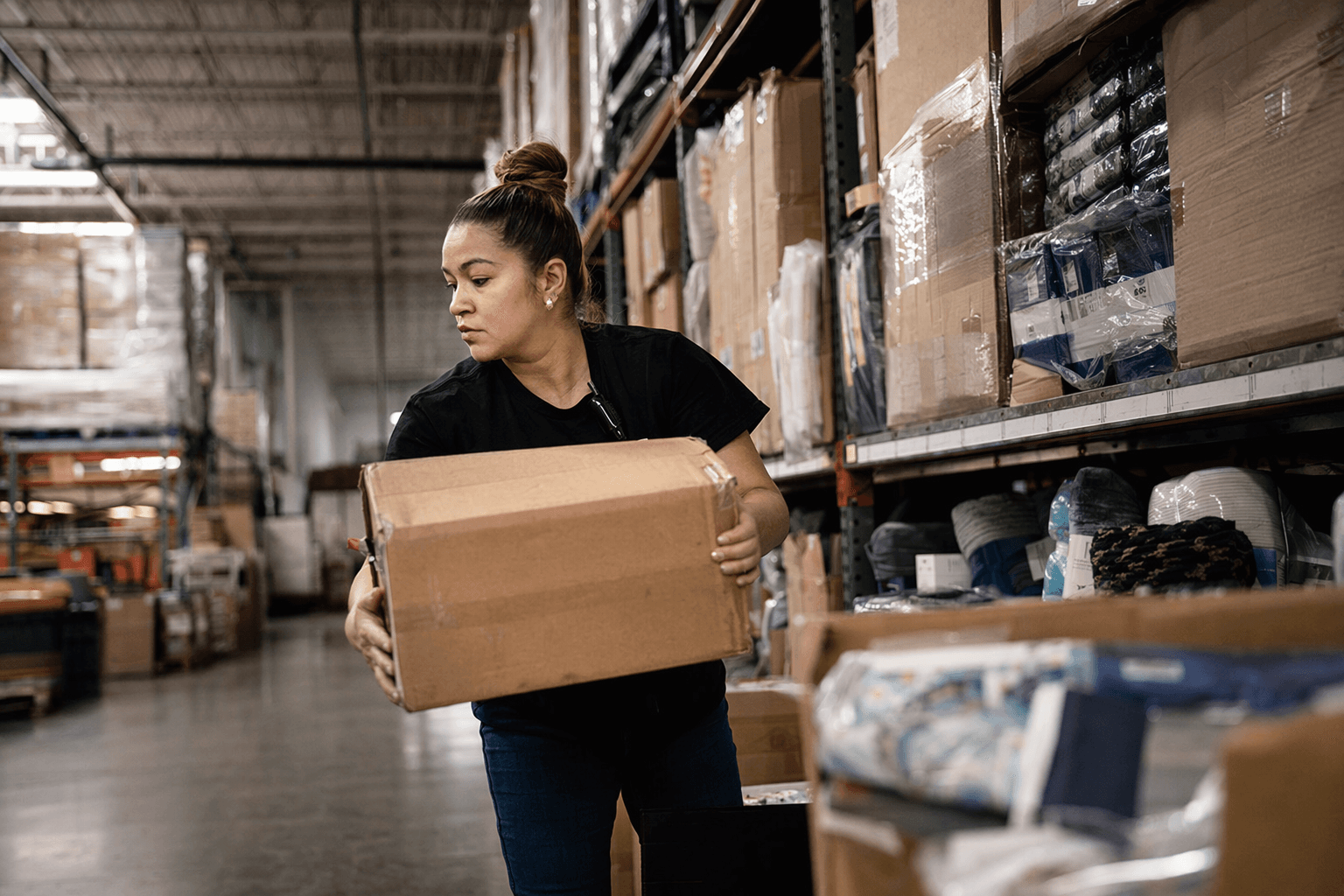
That is why this job matters so much in value retail. Customers may notice a seasonal aisle that looks full, a closeout endcap that is easy to shop, or a floor that recovers quickly after a rush. What they are really seeing is the result of stockroom discipline, truck flow, and on-time replenishment.
What stockers and order fillers actually do
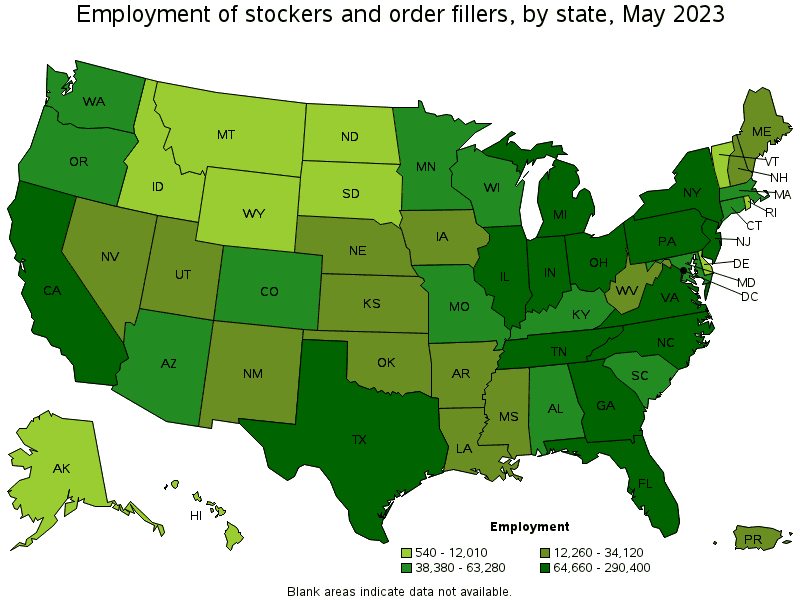
The U.S. Bureau of Labor Statistics defines stockers and order fillers as workers who receive, store, and issue merchandise, materials, equipment, and other items from a stockroom, warehouse, or storage yard to fill shelves, racks, tables, or customers’ orders. That definition captures a lot more than carrying boxes. It includes reading what the sales floor needs, moving product efficiently, and putting items in the right place so the store can sell them.
The job can also include operating power equipment, marking prices on merchandise, and setting up sales displays. In a store like Big Lots, those tasks are tightly connected. A pallet that reaches the floor late, a mislabeled item, or an unbuilt display can make the whole department look behind even when inventory is sitting right there in back.
Why the role is so visible at Big Lots
Big Lots has long depended on a kind of operational theater: the store has to look full, organized, and promotion-ready even when inventory is moving fast and assortment is changing. That makes backroom work part of the brand promise, not just an internal chore. If the team cannot pace receipts, stage product, and recover the floor quickly, the customer experience starts to fray.
The chain’s scale makes that pressure more intense. In an April 18, 2024 SEC filing, Big Lots said it operated 1,392 stores in 48 states and an e-commerce platform as of May 4, 2024. Running that many locations means the company depends on thousands of small decisions about freight flow, backroom organization, and replenishment timing to keep stores looking shoppable.
The labor market case for this kind of work
The BLS data also shows why this occupation stays relevant in retail. In May 2023, the agency estimated mean hourly pay for stockers and order fillers at $18.27 and median pay at $17.50. General merchandise retailers are among the largest employers in the occupation, which fits Big Lots’ model and explains why the role remains a core entry point into store operations.
The broader career picture matters too. The BLS Occupational Outlook Handbook remains the government’s premier source of career guidance, and its latest version includes employment projections for the 2024-34 decade. For workers thinking about retail as a path, stockroom and replenishment jobs are one of the clearest ways to learn how stores really function: freight in, product out, shelves recovered, repeat.
How restructuring changes the floor-level job
Big Lots’ financial restructuring makes those backroom jobs even more consequential. In its April 2024 filing, the company said the chain was operating under pressure from declining sales and a sluggish consumer backdrop. A few months later, on September 9, 2024, Big Lots filed voluntary Chapter 11 petitions in the U.S. Bankruptcy Court for the District of Delaware.
That filing changed the stakes for store teams. Every truck still had to be received, every pallet still had to be broken down, and every promotional move still had to hit the floor on time, even as the company worked through a legal process to reshape the business. For the people doing the lifting and sorting, the task did not become less important just because the balance sheet got more complicated.
What the sale process means for stores and distribution
In December 2024, Big Lots disclosed that Variety Wholesalers intended to acquire between 200 and 400 Big Lots stores and up to two distribution centers. The company said the transaction was structured to preserve jobs and keep the Big Lots brand alive in some locations. That is a major signal that the future of the chain will not be uniform across the country.
The practical effect for workers is that some stores and supply lines may continue under a smaller footprint while others are no longer part of the same system. On January 2, 2025, the Bankruptcy Court entered a sale order approving Big Lots’ asset sale. For employees, that kind of approval is more than a legal milestone. It is the moment when the restructuring starts to look real on the floor, in the backroom, and in the distribution network feeding the stores.
What strong stocking crews control every day
The most important thing to understand about this occupation is that it controls perception. Stockers and order fillers determine whether a store appears full or picked over, whether closeout goods can be found quickly, and whether a rush can be absorbed without leaving gaps all over the floor. In a chain built around value and surprise, those details are not cosmetic.
That is also why the work is more operational than it first appears. Strong crews help the store recover from truck day, keep seasonal displays live, and move product fast enough that the sales floor stays readable to customers. In a restructuring, that kind of execution becomes even more valuable, because the stores that remain have to do more with less and still look ready when shoppers walk in.
Know something we missed? Have a correction or additional information?
Submit a Tip