Big Lots learns why merchandise planning can make or break shelves
Big Lots’ shelf gaps are not just customer complaints. They are the visible cost of planning misses, and the chain’s restructuring shows how much the job depends on getting inventory right.
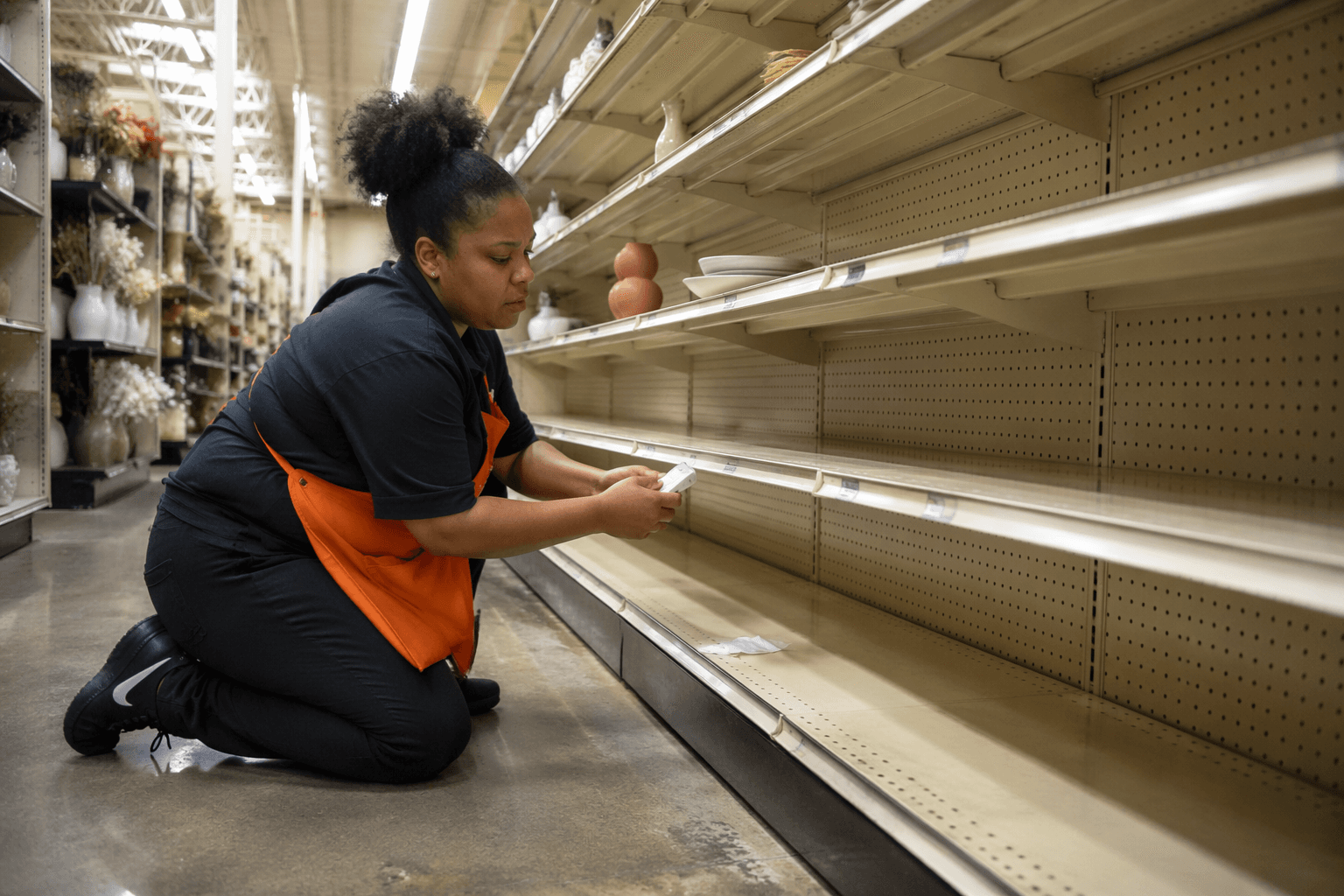
Big Lots’ empty shelves, overstuffed backrooms and awkward substitutions are not random retail annoyances. They are what happens when planning, buying and replenishment fall out of sync, and at a chain built on closeouts, that mismatch can show up fast on the sales floor. The core lesson is simple: inventory accuracy is workplace culture, because better planning means fewer apologies to customers, less clutter for store teams and less cash trapped in the wrong merchandise.
Why merchandise planning shows up in the aisles
Merchandise planning is the discipline that turns customer demand into the right products at the right time. Shopify’s explainer on the subject makes the point plainly: it is a systematic approach to planning, buying and selling based on consumer demand, with data analysis, objectives and timing at the center of the work. In a store like Big Lots, that abstract process becomes visible the moment a shopper wants a specific item, color or size and the shelf is bare.
For workers, that is where planning stops being a corporate concept and becomes a daily frustration. An empty endcap is not just a missed sale. It is a sign that the buy was wrong, the timing was off or replenishment did not keep up. The opposite mistake is just as painful: overbuying fills the backroom, locks up cash and forces markdowns that compress margin before the merchandise ever has a real chance to sell.
How a closeout chain makes the job harder
Big Lots has always had to plan in a more opportunistic way than a conventional grocery or apparel chain. It cannot simply order a steady line of the same products week after week. It has to react to what is available, then decide whether that opportunity can actually move through the stores at the right pace.
That is why the company’s own buying decisions matter so much. Big Lots said it had made buys from branded furniture and home furnishings manufacturers, including a “large branded consumables closeout,” in an effort to bring in newness and excitement at exceptional prices. Those kinds of deals can make the floor feel fresh, but they also create a planning problem: a closeout can be a win only if the chain knows how much to take, where to send it and how quickly shoppers are likely to clear it out.
On a good week, the planning shows up as a floor that feels surprising but organized. On a bad week, it looks like mismatched substitutions, product piled where it does not belong and managers trying to explain to frustrated customers why the advertised item is gone. That is the hidden cost of getting the forecast wrong.
The pressure behind the planning mistakes
Big Lots’ planning challenge became more serious as the business itself came under strain. The company operated 1,392 stores in 48 states as of May 4, 2024, a footprint large enough to magnify every buying error. By September 9, 2024, it had filed for Chapter 11 bankruptcy protection, citing pressure from inflation, high interest rates and a sluggish housing market that slowed demand.
The numbers around the company’s restructuring show how quickly retail planning can run into finance. Reuters and other coverage reported that Big Lots initially planned to sell itself to Nexus Capital Management for about $760 million. But on December 19, 2024, the company said it no longer expected to complete that sale and would begin store sales to protect value. It also said it would not file additional quarterly or annual reports after late 2024 because of the bankruptcy process.
That sequence matters for store teams because it shows inventory is not just a supply-chain issue. When demand, financing and inventory get out of balance at the same time, the result is not just some messy shelves. It becomes an existential problem for the chain and a destabilizing one for the people trying to run the stores.
What workers actually feel when the plan works, or fails
The best merchandise planning makes the job feel smoother, even if no one on the floor uses that phrase. If a location is selling out of seasonal goods fast, the team needs to know what to prioritize, what to reorder and what to rotate forward. If the plan is solid, the store gets a better shot at having the right item in the right place before the customer walks in.
When the plan slips, the whole store absorbs the cost. Associates spend more time answering why something is out of stock, searching the backroom for a substitute, or explaining a markdown that should not have been necessary in the first place. In that sense, inventory accuracy is also a customer-service issue and a morale issue, because nothing wears on a sales floor faster than making excuses for a plan that never matched demand.
What the post-bankruptcy version of Big Lots is trying to be
The company’s restructuring also changed what planning meant for the brand itself. In 2025, Variety Wholesalers said it had acquired 219 Big Lots stores out of bankruptcy and planned to reopen the first nine locations on April 10 in six states. Those stores were set to reopen with remodels and new categories such as apparel and electronics, along with the kind of closeout deals Big Lots has long used to create a treasure-hunt feel.
That is a different planning challenge from the pre-bankruptcy chain, but the same rule still applies. A remodel and a new assortment only work if the merchandise is there, the mix is sensible and the store can present it cleanly enough for shoppers to notice. If planning slips, the store quickly falls back into the same old patterns: gaps on the shelf, clutter in the back, and a customer experience that feels more random than intentional.
Big Lots is learning that merchandise planning is not backstage administration. It is the operating system for the whole store. When it works, it turns unpredictability into a tighter, faster, more useful shopping trip. When it fails, everybody on the floor sees it first.
This article was produced by Prism’s automated news system from verified source data, official records, and press releases, then run through automated quality and moderation checks before publishing. The system is built and supervised by the people who set the standards it runs under. Read our full AI policy.
Did this article answer your question?