Big Lots retail stores urged to strengthen emergency action plans
Big Lots stores need emergency plans built for an ordinary shift, not just a worst-case scenario. OSHA and Ready.gov want clear roles, drills, and hazard-specific procedures before the first five minutes run out.
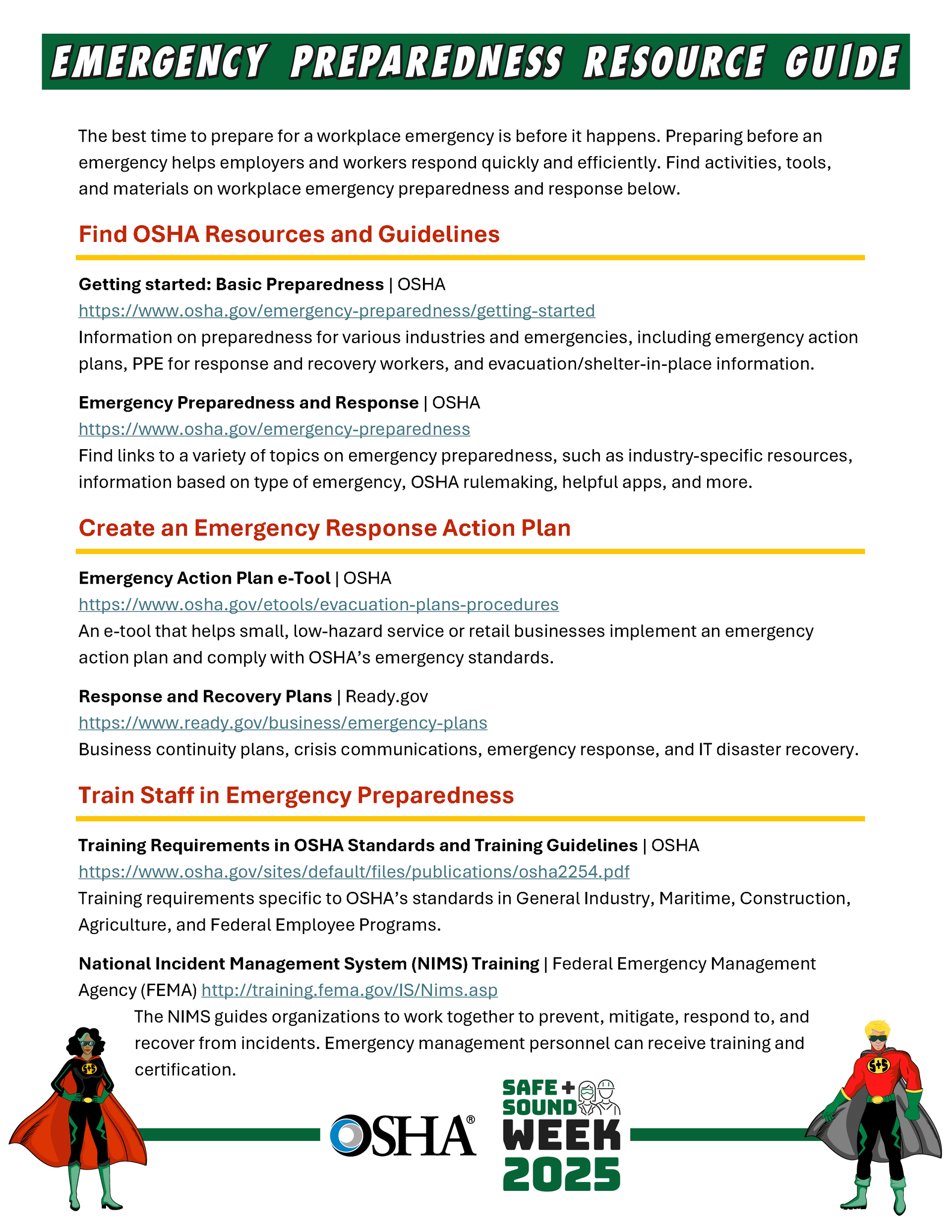
For a Big Lots store, an emergency plan has to work on a normal shift with a skeleton crew, a back room full of freight, customers in the aisles, and a manager balancing sales, staffing and safety at once.
It starts with knowing, in plain terms, who calls 911, who moves shoppers away from danger, who checks exits, who grabs the medical kit, and who keeps the rest of the team from improvising under pressure. The initial minutes of an emergency are critical, and employees, contractors and visitors need protection from the moment something goes wrong.

What the plan has to cover
Business emergency planning is broader than a fire drill. It addresses natural hazards, health hazards, human-caused hazards and technology-related problems such as power outages. It also builds communications planning, IT support and recovery, and continuity plans into the same framework, so the store can keep operating or safely shut down when the unexpected interrupts sales or receiving.
A storm can knock out power, a flood can close loading access, a fire alarm can force evacuation, and a shelter-in-place order can freeze the sales floor mid-shift. The plan decides in advance what the store does when any of those conditions hits.
The Ready Business toolkit series includes hazard-specific playbooks for earthquakes, hurricanes, inland flooding, power outages and severe wind or tornadoes. They force the store to think in scenarios, not slogans: if the lights go out, who secures the registers and coolers; if severe weather is moving in, who stops freight intake and moves people to shelter; if the floor floods, who shuts off access and protects employees and customers from a slip hazard.
What OSHA requires in retail stores
OSHA’s emergency action plan standard is more concrete still. It requires procedures for reporting fires or other emergencies, evacuation and exit-route assignments, accounting for employees after evacuation, and identifying who employees can contact for more information about the plan. In retail, that is the difference between a document in a binder and a system a part-time cashier can actually use.
OSHA’s evacuation-plans eTool is designed to help small, low-hazard service or retail businesses implement an emergency action plan and comply with emergency standards. For Big Lots, that means a plan that is clear, repeatable and fast enough to work when the first employee notices smoke near the stockroom or a customer collapses at the front of the store.
OSHA requires training on protective actions including evacuation, shelter, shelter-in-place and lockdown. In practice, that means a Big Lots team should not be guessing whether to clear the building, hold people inside, or move them away from doors and windows. The right action depends on the hazard, and the team has to know the difference before the emergency starts.
How a Big Lots store should assign roles
The strongest plans divide the first five minutes into named jobs. One person calls first responders. One person directs customers and removes them from the immediate hazard. One person secures exits or keeps an evacuation route open. One person handles the medical kit and checks whether anyone needs basic first aid while waiting for emergency personnel.
Stores are busy, noisy and full of interruptions even on a good day. A manager who is trying to do everything at once can lose the moment, while a team that knows the chain of responsibility can move quickly without talking over each other. The plan should also identify who confirms the headcount after evacuation and who communicates with employees who are off the floor or in the back room.
- who activates the alarm or calls 911
- who sweeps customer areas and directs people to the nearest safe exit
- who checks the fitting rooms, restrooms, stockroom and receiving area
- who takes the first-aid or medical kit
- who verifies whether the building should be evacuated, sheltered or locked down
- who reports back to management and to employees after the event
A practical store playbook should read like a shift change document, not a crisis memo:
That structure matches the way a retail store actually runs. Big Lots stores depend on small teams, and the same associate may be stocking, ringing, recovering freight and helping customers in a single hour. An emergency plan that assumes everyone has the same job will fail the first time the store is crowded or understaffed.
Training and testing
Training, testing and exercises are essential, and tests should verify whether the parts of the preparedness program will work as designed. A plan that has never been practiced will collapse when the alarm sounds, especially if employees do not know which exit route is assigned to which area or who is responsible for accounting for staff after evacuation.
The best retail training is short, repeated and specific to the store layout. Associates need to know where to go if a fire alarm sounds in the middle of a truck unload, where customers should stand during severe weather, and how the response changes if the incident is a power outage rather than a smoke event. Testing should also include the parts of the operation that often get forgotten: the communications tree, the backup for IT systems, and the steps for recovery once the immediate danger has passed.
Big Lots in 2024 and 2025
Big Lots has gone through major upheaval in 2024 and 2025. The company filed for Chapter 11 bankruptcy protection in September 2024, later moved to close hundreds of stores, and then sold 219 stores out of bankruptcy to Variety Wholesalers. Variety Wholesalers said the new Big Lots operation would span 219 stores in 15 states.
This article was produced by Prism’s automated news system from verified source data, official records, and press releases, then run through automated quality and moderation checks before publishing. The system is built and supervised by the people who set the standards it runs under. Read our full AI policy.
Did this article answer your question?