Big Lots workers can boost sales with clearer visual merchandising
Clear signs, tighter endcaps and cleaner aisles can make Big Lots feel intentional again, turning a bargain hunt into a faster, more trustworthy trip.
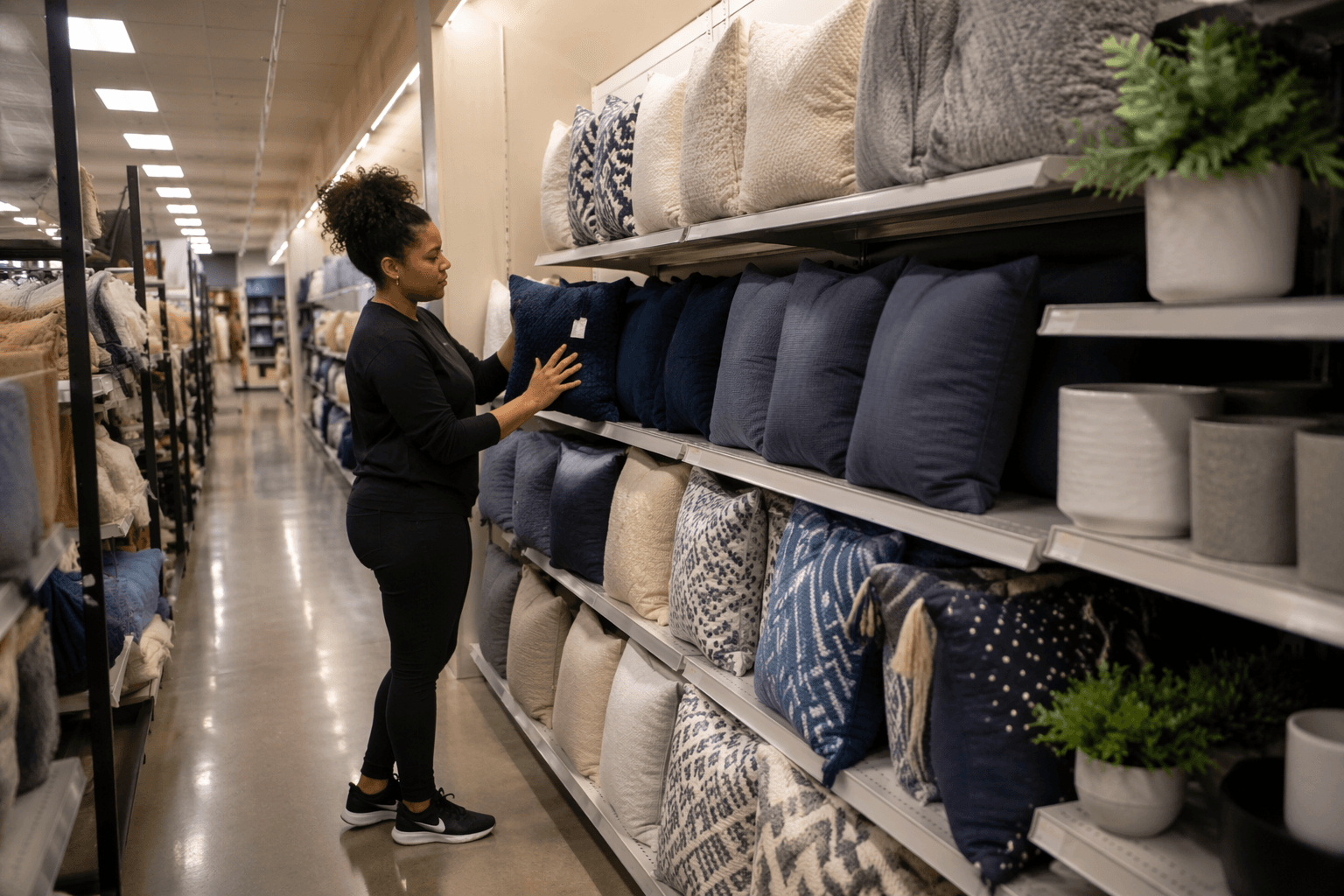
Big Lots does not need louder clutter to sell more. It needs a store that feels easier to read, because in a value chain the floor itself is the message: what is grouped together, what is promoted, what is new and what is worth buying now.
That is why visual merchandising matters so much at Big Lots. The store environment is not just decoration, it is a cultural signal to shoppers about whether this is a smart, organized place to hunt for deals or a random pile of leftovers. For workers, that changes the job from simply recovering freight to helping customers understand the store in seconds.
Why the floor plan is part of the brand
Retail merchandising covers far more than pretty displays. It includes window and in-store displays, shelf signage, product grouping, in-store ads, samples, demonstrations, full shelves and even how clean and open the space feels. Shopify’s retail guidance treats those basics as a direct sales tool, and that logic fits Big Lots especially well because bargain shoppers are scanning for value, convenience and the next useful add-on.
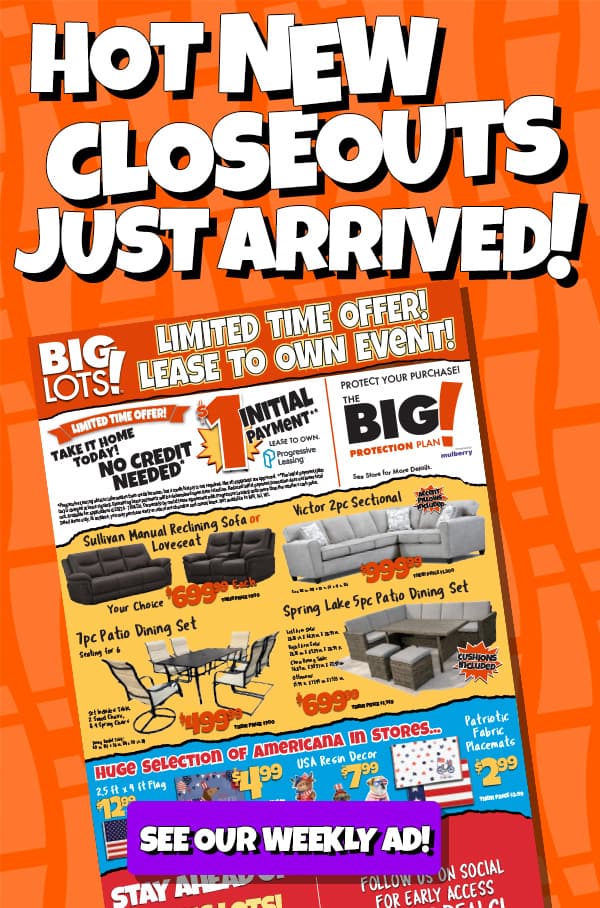
At Big Lots, a good presentation can do what a price tag alone cannot. A seasonal table can suggest a room update, a furniture vignette can show how pieces work together and a clear endcap can tell a customer what belongs in the basket today. When the store looks intentional, shoppers spend less time decoding the aisle and more time buying.
That is also where store teams influence mood. A shopper who can instantly tell what is on promotion, what belongs together and what is fresh this week is less likely to feel overwhelmed. A shopper who sees a crowded, mixed-up floor is more likely to assume the trip will take too long, the assortment is weak or the deal is buried.
What clearer merchandising changes for employees
For associates, better visual merchandising is not cosmetic work. It is a way to make selling easier, because a readable floor gives employees a structure for where to place product, how to recover shelves and how to guide customers toward the right add-on. If an aisle, endcap or table is organized in a way that makes sense at a glance, the associate spends less time explaining basics and more time helping close the sale.
The simplest test is also the most useful: if a customer cannot tell what goes together, what is on promo or what is special this week, the merchandising is not carrying its weight. That standard matters in a store like Big Lots, where the mix can swing from furniture to food to seasonal goods and the customer needs quick visual cues to connect the dots.
It also changes the tone of the store. Clean sightlines, recovered shelves and a more open feel make the shopping trip feel approachable instead of chaotic. That atmosphere matters in discount retail, where the store is often competing not just on price but on whether the experience feels like a fast, confident win.
Why the turnaround makes presentation even more important
Big Lots’ merchandising challenge is sharper because the company has been through a severe reset. It filed voluntary Chapter 11 on September 9, 2024, after operating 1,392 stores and an e-commerce platform as of February 3, 2024, according to its annual report. That scale tells the story of how much the business has contracted from its pre-restructuring footprint.
The bankruptcy process led to a court-supervised sale that transferred 219 store leases and two distribution centers to Variety Wholesalers. Big Lots’ store locator now lists 219 locations, a much smaller network than the one the company carried before the restructuring. In a store base that has been pared back that far, every location has to work harder to reassure shoppers that the brand is still alive and worth revisiting.
That is where the store environment becomes a trust signal. A cleaner floor plan, fresher assortments and sharper displays help the chain feel deliberate rather than leftover. The old Big Lots model was built around closeout and overstock merchandise, which can create excitement but also invites chaos if the presentation is sloppy. If the company wants customers to believe the chain has a future, the store has to look like it has one.
How the new Big Lots mix changes the merchandising job
The current Big Lots web materials emphasize furniture, home décor, groceries, apparel, pets and seasonal goods. That category mix makes visual merchandising even more important because shoppers are not coming in for one narrow mission. They need the floor to connect home goods with everyday essentials and seasonal buys in a way that feels coherent.
Variety Wholesalers, which now controls the leases and distribution centers tied to the Big Lots sale, says it operates more than 600 stores across the eastern United States. It has also said it will reopen Big Lots stores in phases across North Carolina, Alabama, Florida, Georgia, Ohio, Michigan, Pennsylvania, South Carolina and West Virginia. That phased relaunch means merchandising has to do more than display product. It has to help reintroduce the brand market by market.
- make signs do real work, not just take up space
- group like items so customers can see the use case immediately
- keep endcaps focused on one clear idea, not a pile of unrelated stock
- use furniture and seasonal vignettes to show how value looks in a home
- keep shelves full, but also keep the floor readable and open
The practical lesson for store teams is straightforward:
At a chain rebuilding from bankruptcy, that kind of discipline matters as much as the merchandise itself. Big Lots is trying to shrink the gap between bargain hunting and confidence, and the store environment is where that gap is either closed or exposed.
This article was produced by Prism’s automated news system from verified source data, official records, and press releases, then run through automated quality and moderation checks before publishing. The system is built and supervised by the people who set the standards it runs under. Read our full AI policy.
Did this article answer your question?