Big Lots workers can save more in HSAs under 2026 IRS limits
Big Lots workers with an HDHP can put away up to $4,400 individually or $8,750 for family coverage in an HSA, with tax-free growth and rollover.
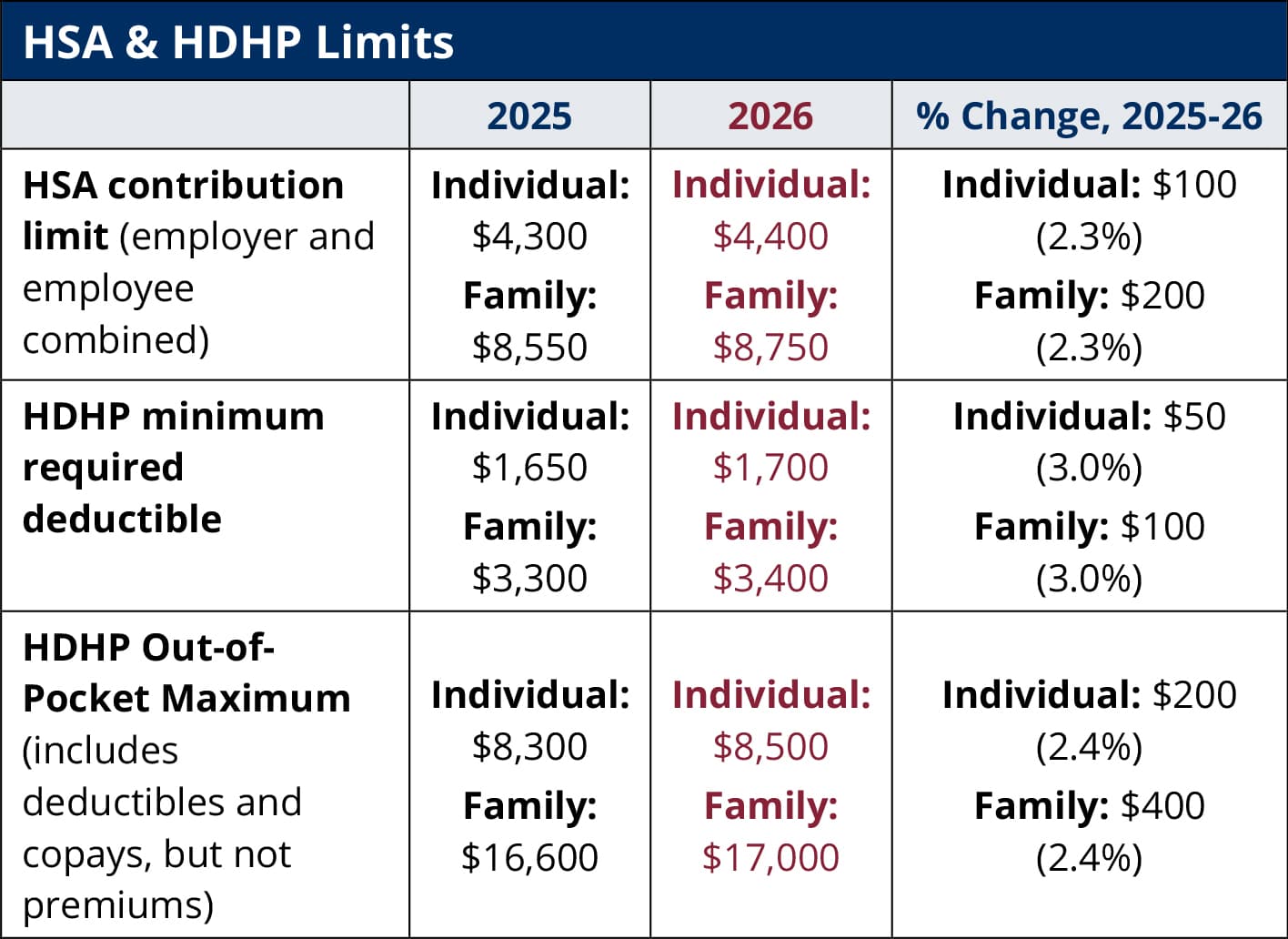
Big Lots workers with a qualified high-deductible health plan can save more in a health savings account under the Internal Revenue Service’s 2026 limits, with room for $4,400 in self-only coverage and $8,750 for family coverage. For employees trying to stretch each paycheck, that matters because an HSA can help cover deductibles, prescriptions, dental work and other out-of-pocket medical costs without turning a bill into high-interest debt.
The account is available only to workers enrolled in an eligible high-deductible health plan, so the first question is not how much to contribute but whether the medical plan qualifies. If it does, the tax treatment is unusually strong: money goes in before tax, grows tax-free and can come out tax-free when it is used for qualified medical expenses. IRS Publication 969 also says nonqualified withdrawals can be hit with income tax and an additional 20% tax, which is why an HSA works best when it is treated as a long-term medical savings tool, not a short-term spending account.

That is the key difference from a health flexible spending account. For 2025, the health FSA salary-reduction limit is $3,300, and the maximum carryover is $660 if the cafeteria plan allows one. An HSA does not force that same year-end rush, because unused money rolls over and stays in the account. For a retail worker balancing rent, gas, groceries and family health bills, that rollover feature can matter as much as the contribution limit itself.

The decision still comes down to cash flow. If a plan’s deductible is too high to realistically absorb, a lower-premium option may feel safer. If the deductible is manageable, the HSA can build a cushion that follows the worker from one enrollment year to the next. The IRS updates HSA and HDHP dollar limits every year for inflation, and the 2026 figures were set in Revenue Procedure 2025-19, so open enrollment is the time to compare the health plan, the HSA and paycheck withholding together instead of waiting until the first medical bill lands.
The timing is especially relevant at Big Lots, where the company filed for Chapter 11 bankruptcy protection on September 9, 2024, later reached a deal to keep hundreds of stores and distribution centers open, and saw Variety Wholesalers say it would reopen 132 Big Lots stores across 14 states beginning April 10, 2025. In that kind of transition, benefits decisions carry extra weight. For workers moving between schedules, stores or employers, an HSA can be the rare benefit that helps now and keeps helping later.
This article was produced by Prism’s automated news system from verified source data, official records, and press releases, then run through automated quality and moderation checks before publishing. The system is built and supervised by the people who set the standards it runs under. Read our full AI policy.
Did this article answer your question?