Big Lots workers can use posted notices to find labor rights
Big Lots teams can spot labor-rights gaps fast by checking the breakroom board, manager office, and digital hub for required federal and state notices.
What the poster wall should tell you
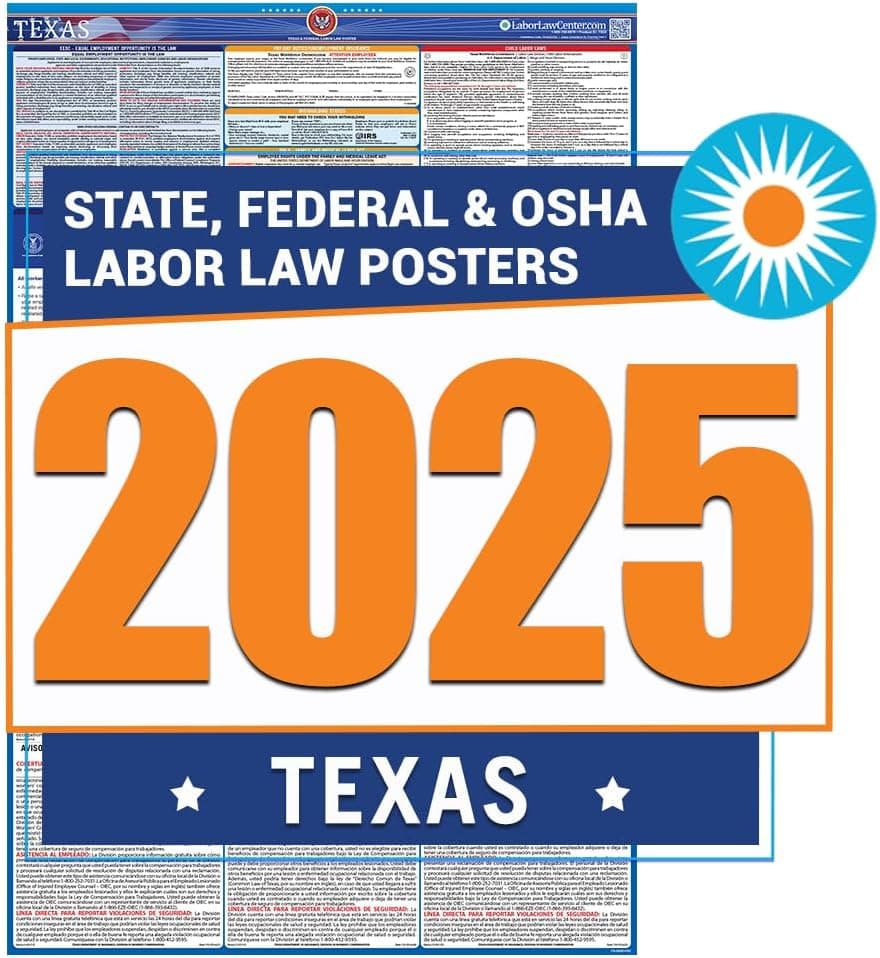
At Big Lots, a missing notice can be a warning sign before a payroll, break, or scheduling problem grows into a bigger HR issue. The U.S. Department of Labor says many employment laws require notices to be posted in the workplace, and it also provides free electronic copies of required posters, with some available in languages other than English. That makes the poster wall more than background clutter. It is often the quickest place to confirm whether the store is giving workers the basics in a form they can actually see.

The key standard is simple: required posters should be displayed where employees can readily observe them. The Department of Labor’s FirstStep Poster Advisor exists to help employers figure out which federal posters they must display, which matters in a retail setting where hiring, scheduling, and seasonal staffing can change quickly. Some states also have their own workplace poster requirements, so a store that is current on federal notices but missing state postings is still not fully covered.
Where to look first in a Big Lots store
The most useful compliance check starts with the places associates already visit during a shift. In practice, that means the back room, break area, manager office, training space, and any digital resource hub used for policies or employee information. If a worker has to hunt through a binder, ask three supervisors, or log into a system that no one remembers, the store is not making labor information easy to use.
A solid notice area should give a quick answer to everyday questions. Look for postings that explain wage and hour rights, leave rules, complaint channels, and youth-employment basics. If the board is cluttered, outdated, faded, or split across multiple hidden places, workers may not know where to find the right answer before a small issue turns into a dispute.
A practical store check can be as simple as this:
- Is there a visible board or digital space with official notices?
- Are federal posters current and easy to read?
- Are state-required notices included, not just federal ones?
- Are English-only postings being used where other language versions are available and needed?
- Can an associate find the right contact or complaint information without guessing?
That kind of visibility matters because retail teams rarely have time to decode policy language during a rush. When the right notices are posted clearly, workers can verify the basics without waiting for a manager to come off the floor.
Why the wage and hour materials matter most
The Department of Labor’s Wage and Hour Division does more than enforce rules. Its worker-resources page points employees to complaint cards, YouthRules information, and other plain-language materials that explain labor standards in a form people can use. For store teams, those resources can be the difference between uncertainty and action when a worker is trying to figure out pay, rest breaks, or other basic rights.
That is especially relevant in a company the size of Big Lots. In filings with the U.S. Securities and Exchange Commission, the company said it operated 1,392 stores as of February 3, 2024, and later said it operated 1,392 stores in 48 states as of May 4, 2024. Big Lots’ store locator now lists 219 locations, which underscores how much operational change the chain has been through. In that kind of environment, keeping the right notices current at each location is not a paperwork detail. It is part of keeping a shrinking, changing retail footprint aligned with the law.
For workers, the payoff is straightforward. A posted notice can show where to raise a wage complaint, how to identify the right labor-law resource, or what rules apply when a schedule or pay issue appears. For managers, the poster wall is a low-friction way to reduce confusion before it spreads across the floor or into HR.
Why teen-worker postings deserve extra attention
Youth employment is another area where visible notices can prevent avoidable mistakes. The Wage and Hour Division says it promotes positive and safe work experiences for teens by providing information on federal and state labor laws that apply to young workers. In retail, that matters because stores often rely on seasonal help, school-year hires, and other younger workers who may be new to scheduling rules, hour limits, or workplace expectations.
The enforcement data show why the issue is serious. In fiscal year 2024, the Wage and Hour Division reported 736 cases with child labor violations, 4,030 minors employed in violation, and $15,164,150 in child labor civil money penalties. Those numbers are not abstract. They point to the scale of the compliance risk when employers lose track of who is working, how long they are working, or which rules apply to younger staff.
For Big Lots, that means a posted youth-employment resource is not optional decoration. If a store hires teens, trains seasonal workers, or leans on a flexible labor mix during peak periods, managers should be especially alert to whether the relevant notices are visible and understandable. A clearly posted youth-work notice can help a young associate, a parent, or a supervisor spot the basic rules before a scheduling decision creates a problem.
What a well-run store notice system should prevent
A clean, current notice system can stop a lot of small misunderstandings. It can prevent an associate from assuming a break rule that is not accurate for that location. It can keep a manager from relying on outdated posters after state requirements change. It can also point workers to the right channel when they need a complaint card or a wage-and-hour explanation in plain language.
That is why the poster check should be treated as a live operational task, not a once-a-year compliance chore. If the board in the breakroom is missing a key federal poster, if the manager office has the only copy, or if the digital resource hub is easier to ignore than to use, the store is creating friction where clarity should exist. Big Lots workers do not need a policy maze. They need the right notice in the right place, where it can answer a question before the question becomes a payroll dispute or a labor complaint.
In a retail chain that has operated across 48 states and now carries a much smaller store footprint, visible compliance becomes even more important. The stores that keep their notices current, readable, and easy to find are the ones that give employees a faster path to accurate information and managers a better chance to stay ahead of problems.
This article was produced by Prism’s automated news system from verified source data, official records, and press releases, then run through automated quality and moderation checks before publishing. The system is built and supervised by the people who set the standards it runs under. Read our full AI policy.
Did this article answer your question?