Big Lots workers may see early import surge before fall slowdown
Big Lots could get a freight surge now, but NRF expects imports to slide below last year by fall as tariffs and fuel costs bite.
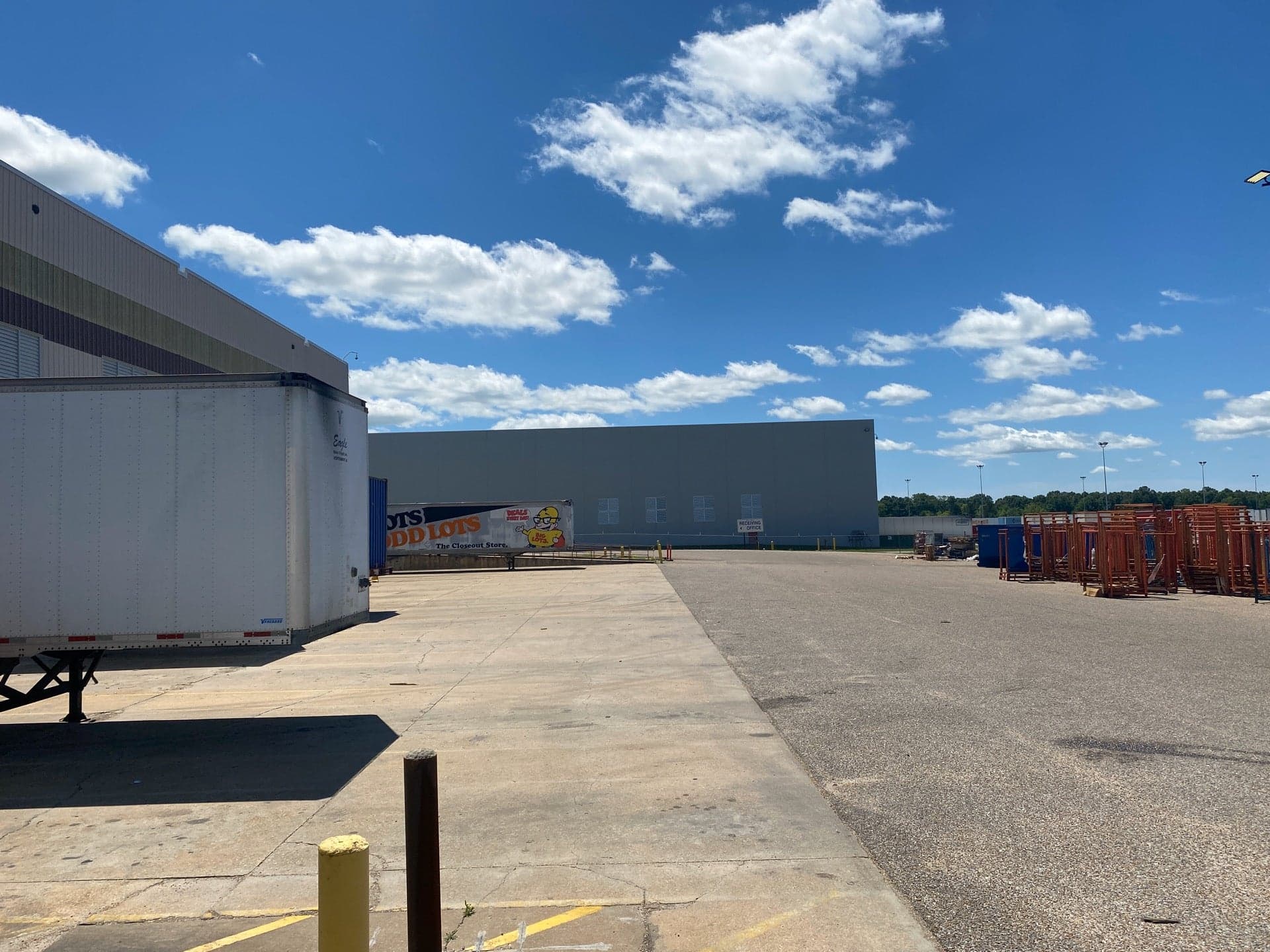
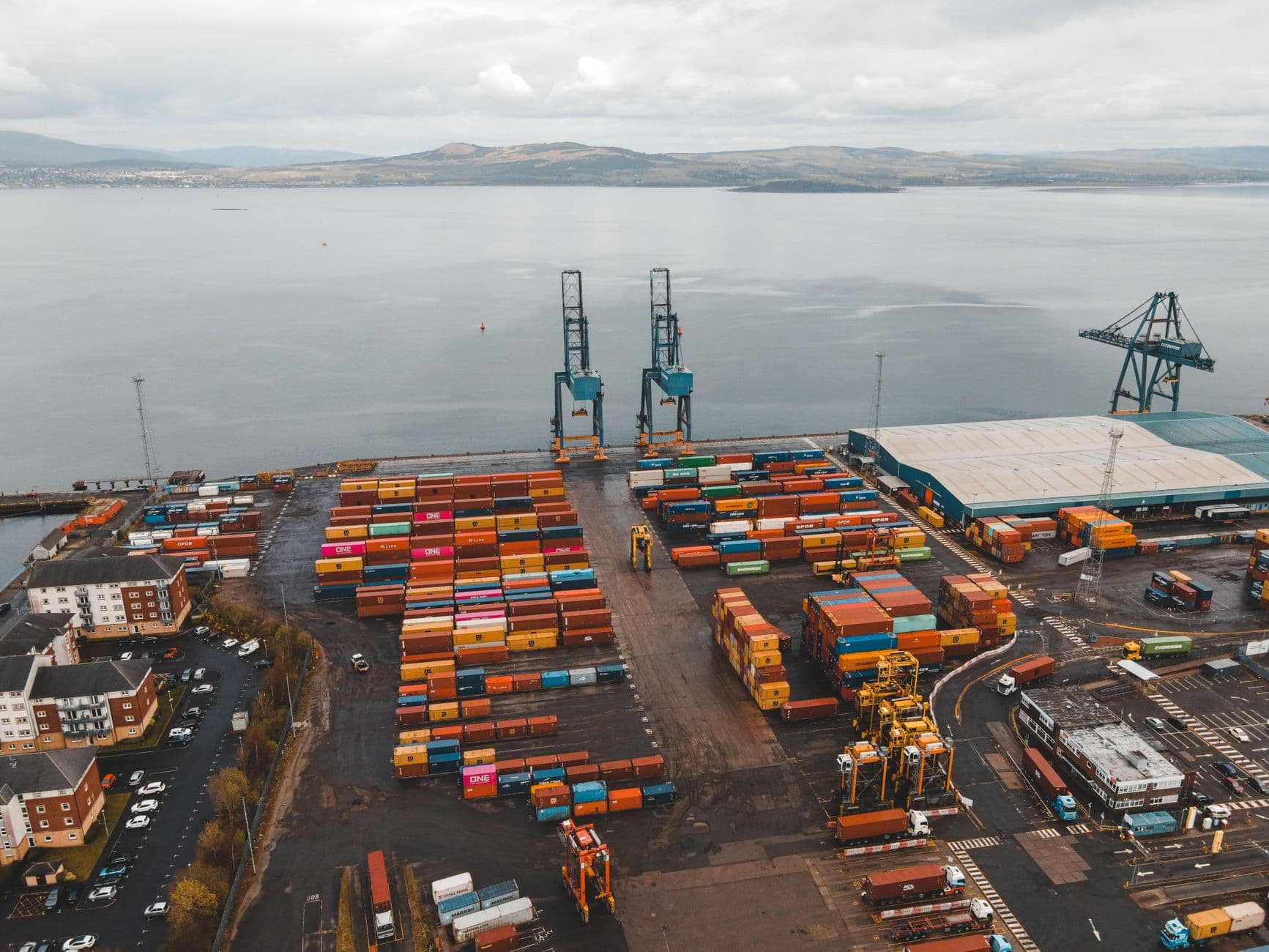
Big Lots stores, distribution centers and merchants may feel a short-term rush of freight before the season turns quieter. The National Retail Federation said major U.S. container ports should post a year-over-year gain in June as retailers pull merchandise forward, but it expects volumes to fall below 2025 levels into the fall, a timing mismatch that can pack backrooms now and tighten budgets later.
NRF Vice President for Supply Chain and Customs Policy Jonathan Gold said retailers are bringing goods in early because higher tariff or fuel costs could start in August. Hackett Associates founder Ben Hackett said the June comparison is also distorted because imports fell sharply after President Donald Trump announced “Liberation Day” tariffs in April 2025. The port tracker NRF uses follows container import volume, vessel services, congestion, gate operations and transportation projects at major U.S. ports, making it a useful read on how much pressure is building in the system before goods ever reach a store shelf.
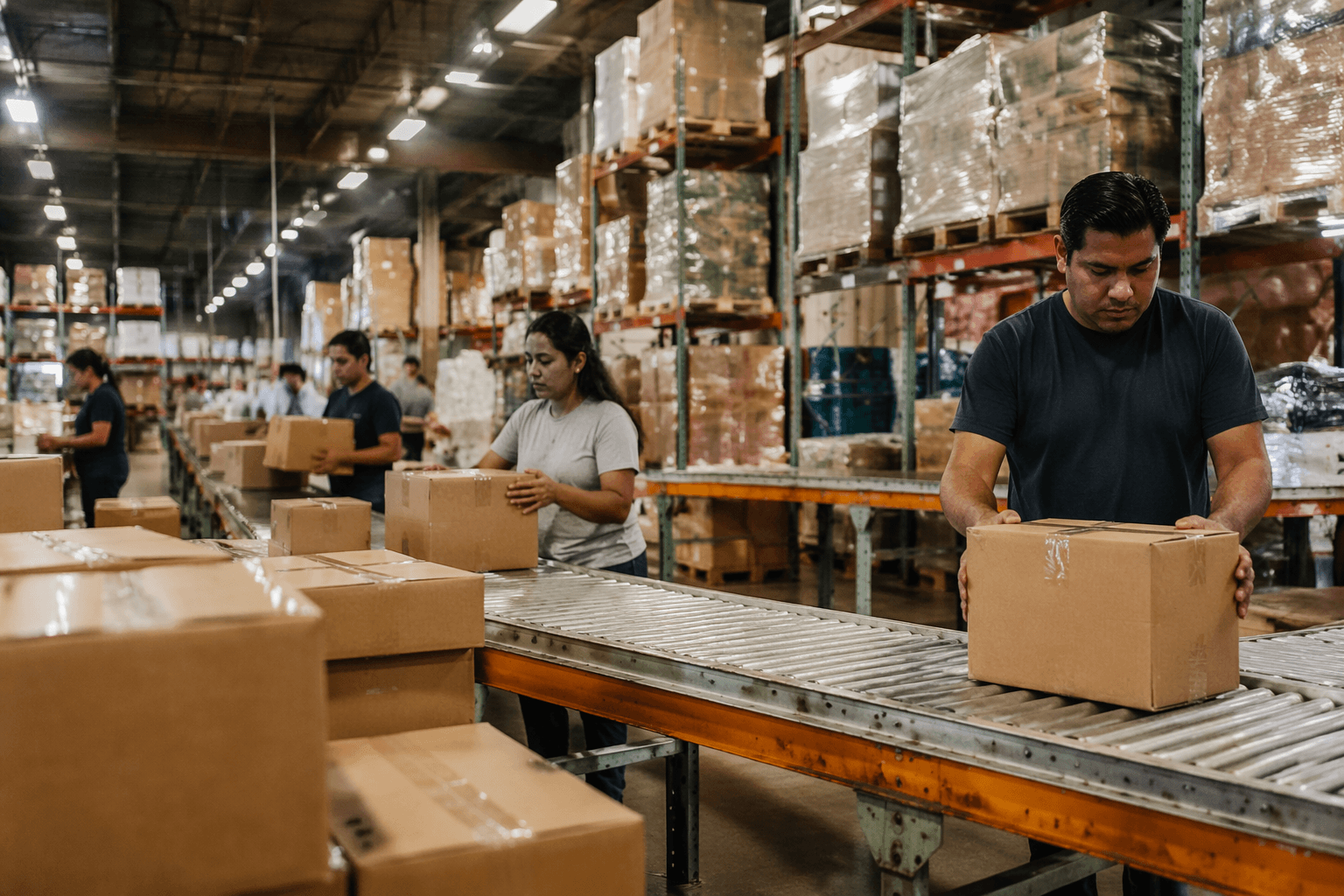
For Big Lots, that matters because the chain has long depended on bargain and closeout merchandise, including distressed inventory and factory-direct sourcing. When imports move early, receiving teams can get hit with more truck arrivals, tighter dock schedules and more congestion in the back room, while merchants try to make sure the right categories land before customer demand peaks. That is especially sensitive after Big Lots filed for Chapter 11 on September 9, 2024, and the sale to Gordon Brothers closed in January 2025, transferring assets including stores, distribution centers and intellectual property.
Reports around that transaction said Variety Wholesalers would take at least 200 Big Lots stores, potentially up to 400, and up to two distribution centers. The restructuring preserved many jobs, but it also cut others, including corporate and distribution-center roles, which makes any freight spike more consequential for the remaining workforce. If imports bunch up now and soften later, the pain is likely to show up first in labor planning, then in tighter cost control.
The wider retail backdrop points in the same direction. NRF forecast in March that U.S. retail sales would grow 4.4% to $5.6 trillion in 2026, but later commentary pointed to inflation, weaker consumer confidence and geopolitical uncertainty as headwinds. The Bureau of Labor Statistics said import fuels and lubricants prices rose 45.1% from May 2025 to May 2026, another reason retailers may try to move cargo before costs climb further. For Big Lots teams, the near-term problem is handling more freight; the longer-term risk is that today’s inventory push turns into tomorrow’s pressure to spend less and move faster.
This article was produced by Prism’s automated news system from verified source data, official records, and press releases, then run through automated quality and moderation checks before publishing. The system is built and supervised by the people who set the standards it runs under. Read our full AI policy.
Did this article answer your question?