Big Lots workers should know which breaks are paid under federal law
A 10-minute break can still be paid time, but a lunch can stop being unpaid the moment you answer a manager or cover a register at Big Lots.
What federal law pays and what it does not
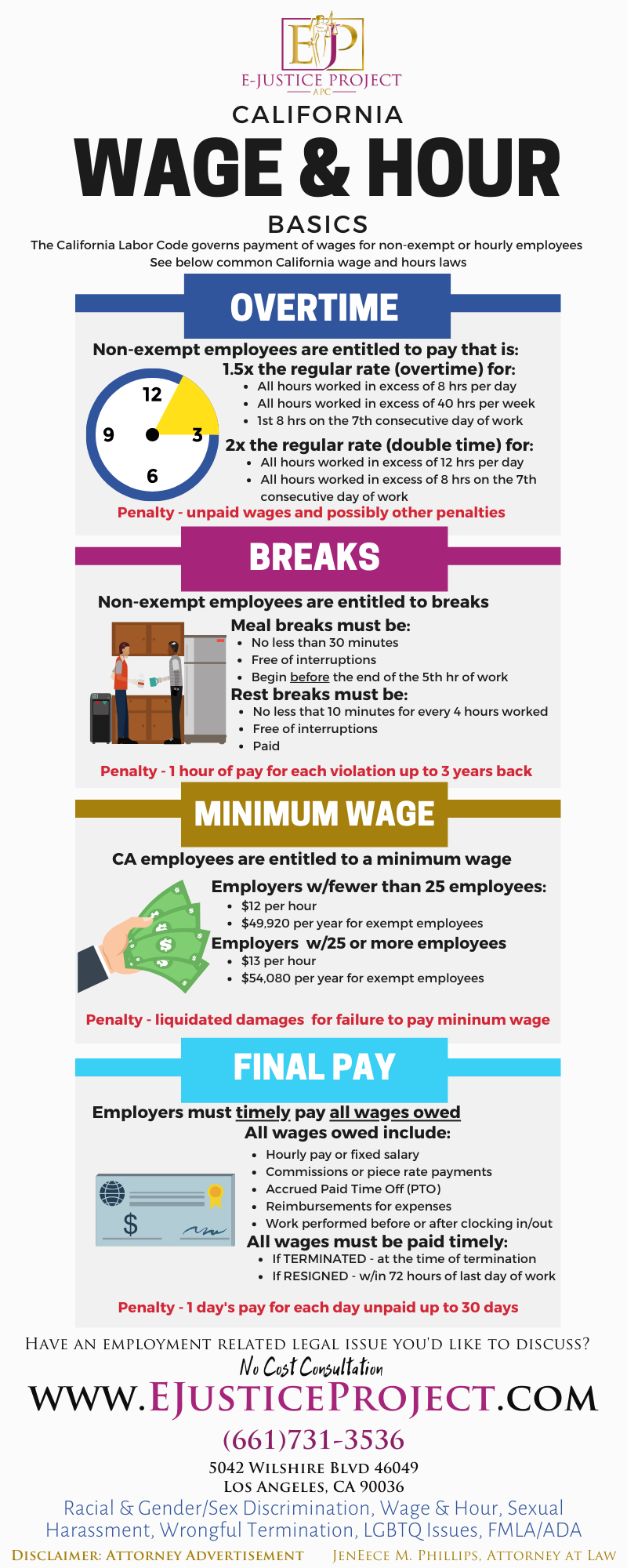
A quick breather on the sales floor is not the same thing as a true meal period, and that difference matters every time the schedule is tight. Under federal law, employers do not have to offer lunch or coffee breaks at all, but when they do offer short rest breaks, usually about five to 20 minutes, those breaks count as paid work time. That means a short pause has to be included when total hours are calculated for the week.
Meal periods work differently. The U.S. Department of Labor says meal breaks are typically at least 30 minutes and are generally unpaid only when the employee is fully relieved from duty. If you are still on call, still expected to respond, or still doing work while “on lunch,” that time may no longer be treated like an unpaid meal break.
For Big Lots workers, that distinction is more than a payroll technicality. It is the difference between time that belongs on the clock and time that should never have been left off it.
The line between a paid rest break and an unpaid meal period
Retail life is built around interruptions. A worker might take a five-minute pause near a register, step into the stockroom for a short break, or grab a drink during a truck unload. Those short pauses are usually paid under federal law because they are considered compensable work hours.
A real meal period is supposed to be different. If you are given 30 minutes for lunch and are actually relieved from duty, the time can usually be unpaid. But if the break is interrupted, the clock gets murkier fast. Covering a register, answering a manager question, or helping a customer during lunch can turn that supposed meal period into working time.
That is the practical question Big Lots employees should keep in mind: were you actually free to use the time for yourself, or were you still performing company work? If the answer is the second one, the unpaid label may not fit.
Common Big Lots scenarios that should raise a flag
- You sit down for lunch, but a manager asks you to help with a quick task.
- You are on break and get pulled to cover the register “for just a minute.”
- A customer stops you during lunch and you spend part of that time solving the problem.
- You are told to stay available in case the truck unload needs extra hands.
Those are the kinds of everyday interruptions that can turn a clean meal break into paid time worked.
When an employer says a break is over, the details matter
The Department of Labor also draws a line around unauthorized extensions of an authorized break. If an employer clearly tells workers that a break must end at a specific time, that extending it violates the rules, and that extensions will be punished, then the extra time does not have to count as hours worked.
That rule matters in a store where shifts are measured in minutes and teams are lean. A worker who stretches a paid rest break beyond the scheduled end may not be entitled to have that extra time counted, if the employer has made the rule clear. But that is very different from being pulled back into work during a meal period that was supposed to be unpaid in the first place.
For workers, the takeaway is simple: a break that you chose to extend is not the same as a lunch that your job interrupted. Timekeeping should reflect the difference.
Why the FLSA minimum wage and overtime rules still matter here
The Fair Labor Standards Act does more than set break rules. It also requires covered nonexempt workers to receive at least the federal minimum wage of $7.25 per hour and overtime pay at one and one-half times the regular rate after 40 hours in a workweek.
That matters because unpaid lunch time, missed rest time, or off-the-clock interruptions can all change the total number of hours that end up on a paycheck. If a worker’s meal period was actually interrupted by register duty, customer help, or a manager request, those minutes may belong in the hours total. Enough of those minutes can affect whether a worker crosses the 40-hour mark and triggers overtime.
In a business like Big Lots, where store staffing is often stretched and schedules are tight, getting break time wrong can affect both straight-time wages and overtime calculations.
State law can be stronger than federal law
Federal guidance also makes one point clear: if state law gives workers stronger break protections, the more beneficial rule applies. That is important for Big Lots because the chain operates in many states, and the rules are not the same everywhere.
The Department of Labor’s state-law table says only eight states have paid rest-period requirements, and California, Colorado and Kentucky are among them. The same federal tables also show that all eight states with paid rest-period requirements also have meal-period requirements.
That means a Big Lots worker in one state may have stronger rights than a worker in another. In California, for example, the state table notes a meal period after 4 1/2 hours if work is for more than 5 hours per day, and it says an on-duty meal period is counted as time worked only when the nature of the work prevents relief from all duties and there is a written agreement between the parties.
The broad lesson is not just that state law can be different. It is that workers should check whether their state adds more protection than federal law does, especially if their break is being shortened, interrupted, or skipped.
Why this hits differently at Big Lots right now
Big Lots has been through a major reset. The company and its subsidiaries filed voluntary Chapter 11 cases on September 9, 2024, in the U.S. Bankruptcy Court for the District of Delaware. Big Lots later said it was purchased out of bankruptcy in 2025 by Variety Wholesalers, and the reorganized company says it will operate 219 stores in 15 states.
That smaller footprint does not make scheduling easier. If anything, a reorganized retail chain has even more reason to watch labor costs, timekeeping, and payroll accuracy closely. The company’s store locator currently shows 219 locations, which reinforces that this is still a meaningful hourly workforce spread across multiple states with different break rules.
For workers, that makes break classification a day-to-day issue, not an abstract legal one. A paid 10-minute rest break, an unpaid 30-minute lunch, a delayed meal, or a lunch interrupted by a manager question can all change what should be on the timesheet. For managers, the same rules are the best defense against disputes, because a schedule only works when the clock matches reality.
What to watch on your next shift
If you work at Big Lots, the cleanest way to think about breaks is this: short rest breaks are generally paid, meal periods are usually unpaid only when you are fully relieved from duty, and interruptions can change that calculation fast. A register handoff, a customer problem, or a manager pulling you back onto the floor during lunch may mean that time should be counted as work.
In retail, the paycheck often lives or dies on small chunks of time. At Big Lots, those minutes matter just as much as the headline hours.
This article was produced by Prism’s automated news system from verified source data, official records, and press releases, then run through automated quality and moderation checks before publishing. The system is built and supervised by the people who set the standards it runs under. Read our full AI policy.
Did this article answer your question?