Target’s baby aisle overhaul shows Big Lots the power of family-focused merchandising
Target packed premium baby gear into 200 stores, showing how easy-to-shop family aisles can drive repeat visits and loyalty.

Target’s baby reset is really a repeat-visit strategy. The company rolled out baby boutiques in about 200 stores, roughly 10% of its footprint, and used the format to move strollers, car seats and high chairs out of boxes and into a space where parents can see, feel and test them before buying.
The chain also added nearly 2,000 baby items across stores and online, including premium names such as UPPAbaby, Stokke, Bugaboo and Doona, plus expanded Cloud Island offerings. Target’s Baby Boutique page now frames the concept around premium brands, top-quality materials and elevated designs, with the assortment spanning clothing, nursery, strollers, car seats, gear, diapering, nursing and feeding, toiletries, toys and bath items. The message is plain: baby is not just another aisle. It is a family mission that can bring the same shoppers back again and again.
That is why the numbers inside Target matter so much. Chief Merchandising Officer Cara Sylvester said families with children ages 5 and under spend twice as much and visit stores twice as often as the average Target shopper. In other words, the value of winning a family basket goes far beyond a single sale of a stroller or a pack of wipes. It can shape how often a household returns, and how much it buys when it does.
Target is backing that bet with real money. In its March 3 turnaround plan for 2026, the company said it would invest an incremental $2 billion this year, including more than $1 billion in additional capital expenditures and $1 billion in operating investments. Target said there would be more changes inside stores in 2026 than any year in the last decade, and it has tied the baby push to a broader effort to end a three-year sales slump. Back in March 2025, Target also said it aimed to drive more than $15 billion in sales growth by 2030 by strengthening its role as a destination for discovery and reimagining key categories.
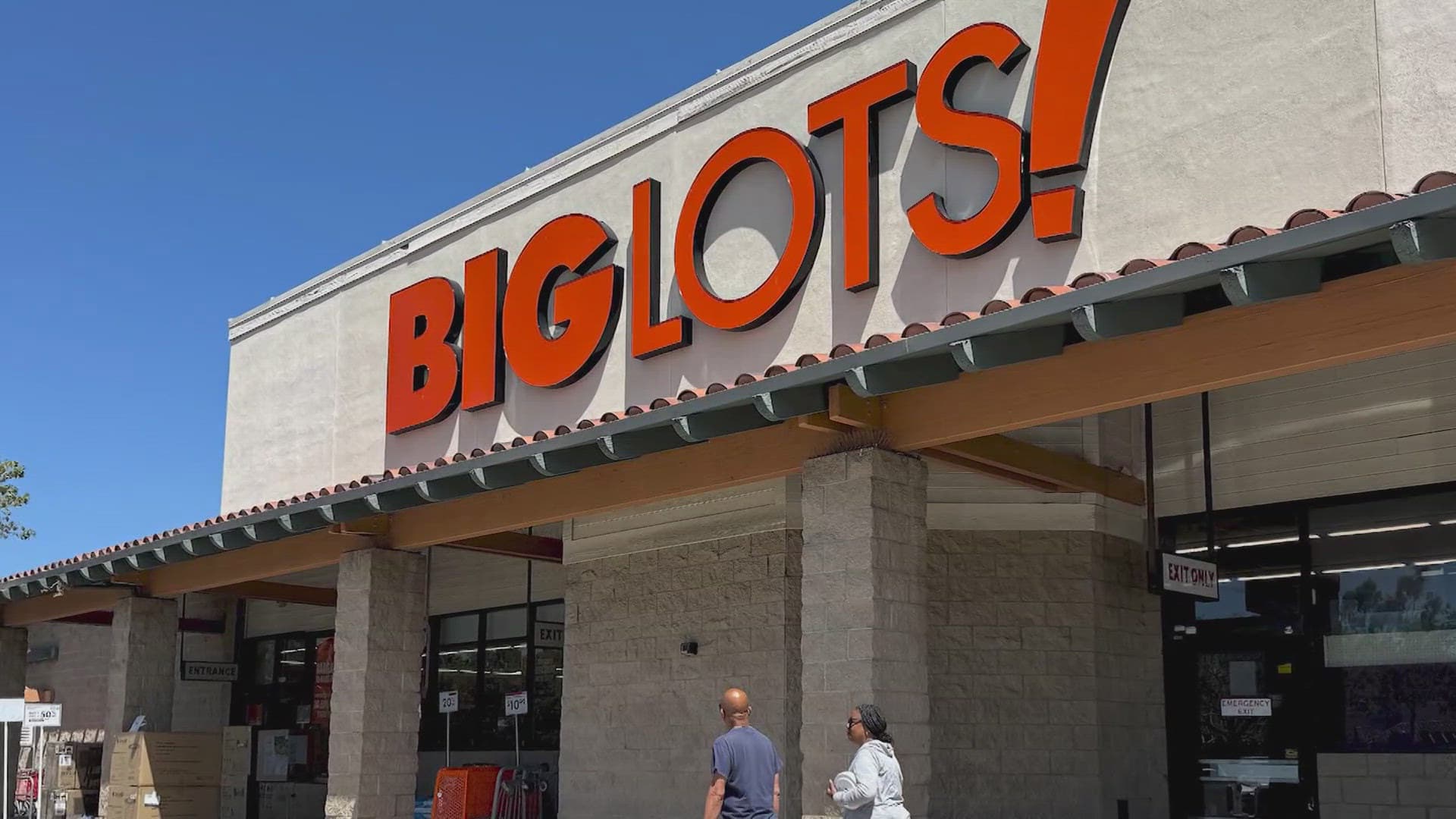
For Big Lots, the lesson lands in a different financial reality, but the store-floor logic is the same. Former BL Stores, Inc. and subsidiaries filed for Chapter 11 on September 9, 2024, and the chain’s comeback depends on convincing shoppers that it is worth entering, browsing and trusting again. Big Lots’ website still carries kids’ apparel and gifts for baby, but the presentation is far from a premium boutique. That gap matters because family-driven categories are won by layout, signage and convenience as much as price. If Target is using baby to rebuild habit and loyalty, Big Lots has the same operational homework: make the trip feel simple, organized and worth repeating.
Know something we missed? Have a correction or additional information?
Submit a Tip