Burlington’s strong first quarter offers lessons for Big Lots workers
Burlington’s 26% EPS jump and 6% comp gain show off-price discipline still wins, but only when stores execute. Big Lots workers should read that as a playbook for inventory, markdowns, and basics.
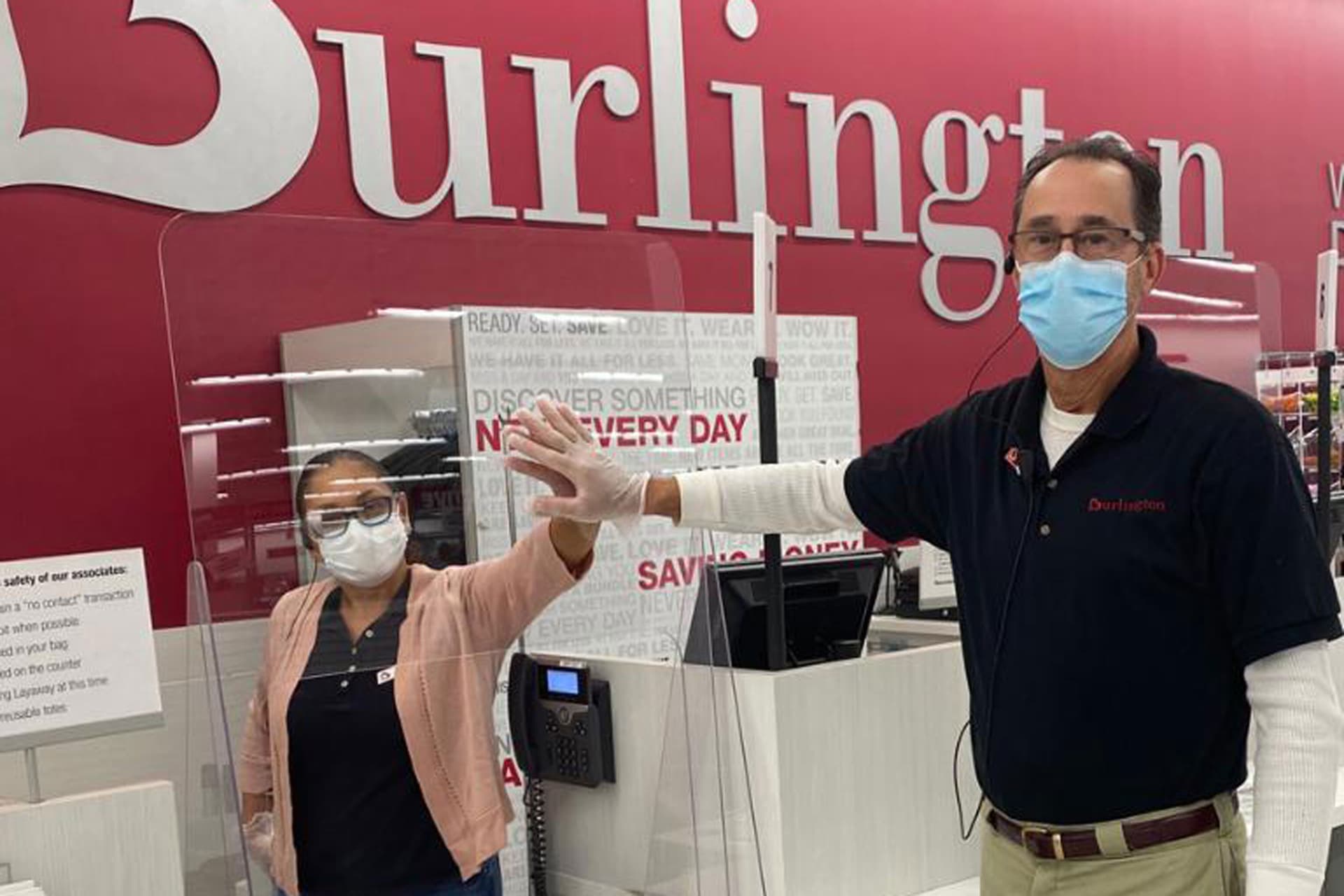
The benchmark value retail is setting right now
Burlington’s first quarter is the kind of report Big Lots workers should study closely: net sales rose 14% to $2.852 billion, comparable-store sales climbed 6%, and adjusted earnings per share increased 26% to $2.10. That was Burlington’s 14th consecutive quarter of double-digit EPS growth, a sign that off-price still pays when the floor, the buy, and the markdown cadence all line up.
The bigger lesson is not simply that Burlington sold more. It converted traffic into profit, then raised its full-year outlook to 9% to 11% sales growth and adjusted EPS of $11.45 to $11.80. Investor-relations reporting also said the chain plans 115 net new stores in fiscal 2026, which shows management thinks the model still has room to grow, not just hold its ground.
What Burlington’s quarter says about execution
The most important part of the quarter for store teams sits in the margin detail. Burlington said gross margin reached 44.1%, up from 43.8% a year earlier, while merchandise margin improved by 20 basis points and freight expense improved by 10 basis points as a percentage of net sales. Adjusted EBIT margin came in at 6.3%, which means the company was not just getting better sales, it was protecting profitability as goods moved through the system.
That is the operating discipline value retailers are being rewarded for right now: buying selectively, keeping supply-chain costs under control, and moving inventory before it goes stale. On the call, management said comp strength was broad-based across businesses and geographies, with especially strong results in ladies’ apparel, beauty and accessories. Warm-weather categories accounted for about 25% of first-quarter sales, which matters because it shows Burlington was matching merchandise to demand quickly enough to capture seasonal opportunity instead of waiting for the market to come to it.
For stores, that kind of quarter usually depends on the basics being tight every day. Clean presentation matters. So does signage that makes the deal obvious, markdown timing that protects margin without letting slow sellers clog the floor, and backroom flow that keeps fresh goods out where shoppers can see them. Off-price works when the treasure-hunt feeling stays alive, not when the store looks picked over.

How the Burlington playbook maps to Big Lots
Big Lots is not Burlington, and it should not pretend to be. But the lesson for Big Lots workers is direct: value retail only works when the store turns traffic into sales quickly and avoids burying margin in aged inventory. Inventory turns, markdown control, in-stock basics, and traffic conversion are the four levers that matter most.
- Inventory turns: If slow-moving goods sit too long, the store starts to look tired and the margin starts to leak away. Burlington’s quarter suggests that fast movement and tight replenishment are still being rewarded, especially when the assortment feels current.
- Markdown control: Burlington’s merchandise margin improvement shows that discounting is not just about cutting price, it is about cutting at the right time. Big Lots stores that wait too long to clear weak product end up losing both margin and selling space.
- In-stock basics: Shoppers will forgive a treasure-hunt mix if the essentials are there. The winners in value retail keep core items available, then layer in surprise finds and seasonal buys on top.
- Traffic conversion: Bringing people into the store is only half the job. The quarter Burlington posted suggests that the real gain comes when presentation, price clarity, and product flow turn visits into baskets.
That is why Burlington’s results are more than a Wall Street win. They show what a disciplined value chain looks like on the floor: a store that stays organized, edits aggressively, and keeps the price message obvious enough that shoppers do not have to work to understand the deal.
Why the contrast matters for Big Lots
Big Lots’ recent history makes Burlington’s numbers feel even more instructive. Big Lots filed for Chapter 11 bankruptcy on September 9, 2024, in the U.S. Bankruptcy Court for the District of Delaware after pressure from weak sales and softer consumer spending. The chain initially pursued a sale to Nexus Capital Management, but that transaction fell through, and by late December 2024 it had announced going-out-of-business sales at its remaining stores.
In January 2025, Big Lots reached a deal with Gordon Brothers and Variety Wholesalers to transfer between 200 and 400 stores and up to two distribution centers under the Big Lots banner. The company said the sale path was meant to preserve jobs and maintain the brand, and Variety Wholesalers said it could employ current associates. That history matters because it shows how thin the line is in this segment between a functioning value model and a restructuring spiral.
Burlington’s quarter is a reminder that off-price and closeout retail are not won by price alone. They are won by consistency, by disciplined buying, by clean execution, and by stores that make the value proposition easy to see the second a shopper walks in. For Big Lots workers, that is the lesson that counts: when the floor is organized, the basics are in stock, and the markdowns are controlled, value retail can still produce real growth.
This article was produced by Prism’s automated news system from verified source data, official records, and press releases, then run through automated quality and moderation checks before publishing. The system is built and supervised by the people who set the standards it runs under. Read our full AI policy.
Did this article answer your question?