CareerOneStop model shows Big Lots retail skills go far beyond checkout
Big Lots work already builds the skills employers prize. The challenge is naming inventory, recovery and de-escalation in the language of operations, service and sales.

Big Lots shifts already build a wider résumé than the job title suggests
CareerOneStop’s retail competency model is a reminder that retail labor is not just ringing up sales. The framework, built by the Employment and Training Administration with industry leaders and kept current with help from the National Retail Federation Foundation, organizes retail work around customer service, merchandising, business fundamentals and operations. That matters for Big Lots workers because the skills map cleanly onto daily tasks many people do without ever calling them by their proper names.
The same logic runs through NRF Foundation RISE Up’s Retail Industry Fundamentals training, which covers the economic impact of retail, the retail cycle, customer service, basic math for sales transactions, retail technology tools and interview skills. The curriculum was developed with more than 30 retailers, which is part of what gives it weight: it treats retail as a skills stack, not a dead-end shift. If you have spent time on a Big Lots floor, you have already touched a large share of that stack.
What Big Lots workers already do in employer language
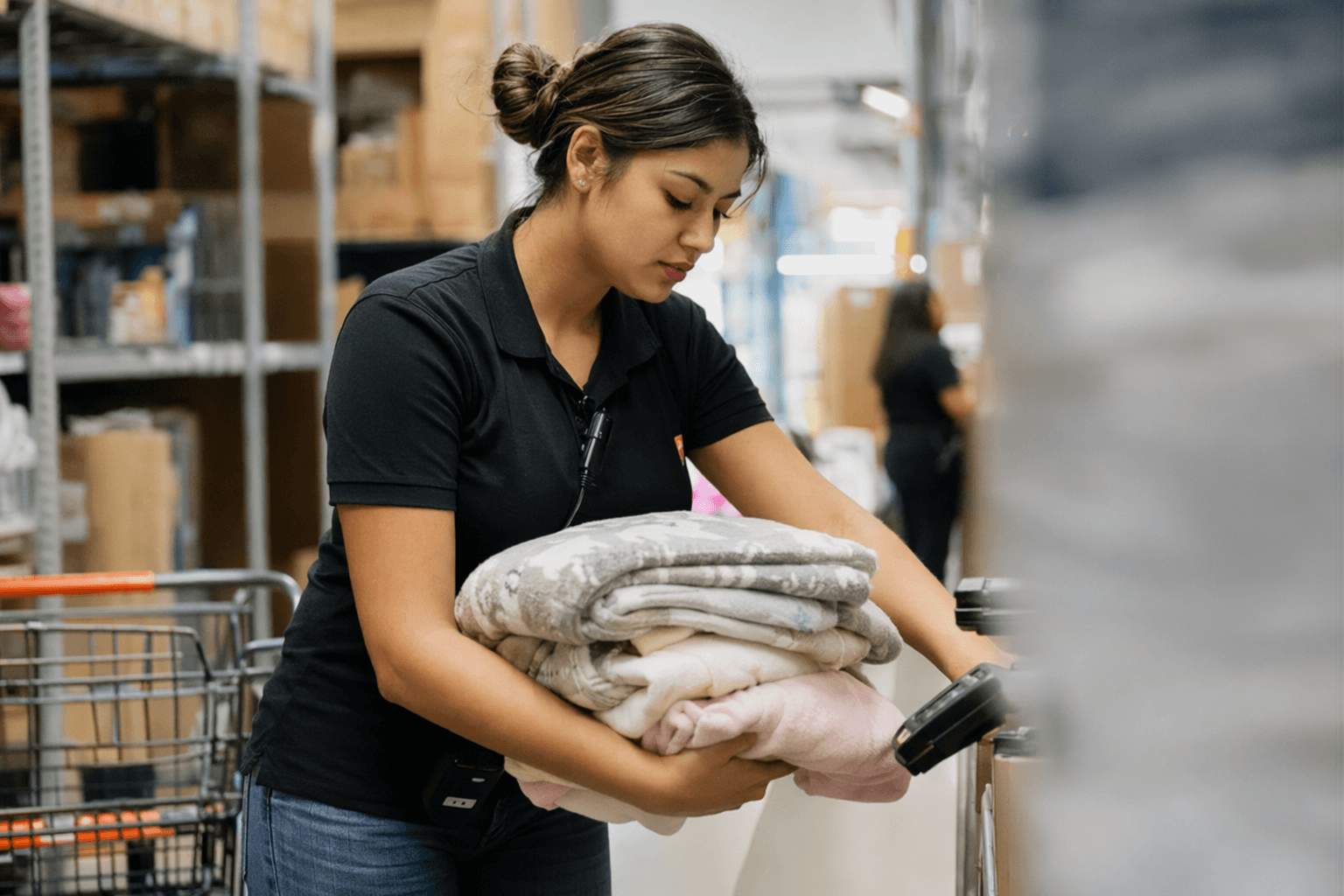
Big Lots job descriptions make the point plainly. Customer service associate postings describe greeting customers, helping them select merchandise, completing transactions and answering questions about the store and merchandise. Other postings add the work that sits behind the counter and the sales floor: keeping the store clean and well-stocked, unloading merchandise from delivery trucks and moving product from the stockroom to the sales floor.
That means the job already includes service recovery, inventory judgment and pace management, even when the schedule is chaotic. If you have helped a frustrated shopper find a replacement item, processed a return, set signage, recovered a department after a rush, handled freight or managed markdowns, you have practiced the same core abilities employers describe as customer service, merchandising and operations. The work is broader than checkout, and the language should be broader too.
A useful way to think about it is this: register work shows accuracy. Floor work shows judgment. Freight and recovery show organization. When you combine them, you are not just describing tasks, you are describing how the store keeps moving.
How to translate the shift into a résumé or interview answer
The strongest Big Lots experience statements are specific, plain and tied to results. Instead of naming only a job title, turn each shift responsibility into something a hiring manager in retail, warehouse, customer support or operations can recognize immediately.
- “Handled customer questions and complaints while keeping transactions moving” shows service and pace control.
- “Maintained display standards and signage while recovering the sales floor” shows merchandising discipline.
- “Unloaded freight, moved product from stockroom to floor, and kept the store stocked” shows inventory flow and physical operations.
- “Used reporting tools and sales information to support markdowns and product placement” shows business awareness.
- “Followed safety and security procedures during busy shifts” shows reliability in a controlled environment.
That translation matters because the model does not treat each task as isolated. It connects customer flow, inventory control, sales goals and floor presentation. Workers who understand those links usually move faster into supervisor roles because they are not just good at one duty; they can see how the whole store functions.
Why this matters more now
The portability of those skills is especially important given Big Lots’ recent upheaval. The company reported operating 1,392 stores in 48 states and an e-commerce platform as of February 3, 2024, and again said it operated 1,392 stores in 48 states plus e-commerce as of May 4, 2024. Then came the voluntary chapter 11 bankruptcy petitions on September 9, 2024, followed by an asset purchase agreement on December 27, 2024 that would transfer assets including stores, distribution centers and intellectual property to other retailers and companies, including Variety Wholesalers.
That kind of uncertainty changes the stakes of how you describe your work. When a company is in motion, workers need language that travels with them, whether the next stop is another Big Lots location, a different retailer, a distribution center or a back-room operations role. A résumé line that says you “worked retail” is easy to overlook. A line that says you managed customer recovery, stock replenishment, freight movement and floor standards is much harder to dismiss.
Where Big Lots experience can take you next
Inside retail, the path is obvious once the work is translated. Customer service on the sales floor can lead to cashier lead, keyholder or assistant manager responsibilities. Inventory control, markdowns and merchandising can lead toward buyer support, store operations or district-level roles. Big Lots experience also fits vendor-facing work because it already requires understanding product flow, presentation standards and what it takes to keep a store ready for customers.
Outside retail, the same competencies map to jobs that depend on order, communication and process. Warehouse and distribution roles value freight handling and stockroom discipline. Customer support roles value de-escalation and clear communication. Operations jobs value reporting tools, basic math, accuracy and the ability to keep multiple moving parts aligned. The setting changes, but the underlying work does not.
The big lesson from CareerOneStop’s model is simple: retail experience is not narrow just because the job title is. Big Lots workers already practice service, merchandising, operations and business basics every shift. The next move is making sure employers can read that skill set as clearly as the store does.
This article was produced by Prism’s automated news system from verified source data, official records, and press releases, then run through automated quality and moderation checks before publishing. The system is built and supervised by the people who set the standards it runs under. Read our full AI policy.
Did this article answer your question?