Consumer confidence slips in May, signaling tougher value-driven shopping
Cautious shoppers are still spending, but they are more price-anchored, which can mean tougher basket builds, more markdown pressure, and choppier traffic for Big Lots crews.
For Big Lots store teams, the key question is not whether shoppers are disappearing. It is whether they are walking in with sharper price resistance, smaller baskets, and more hesitation around anything that is not an obvious deal.
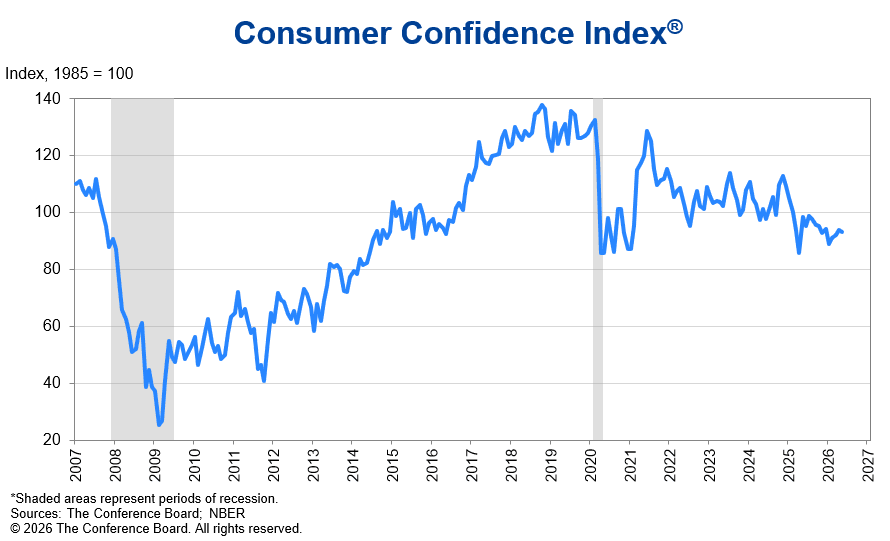
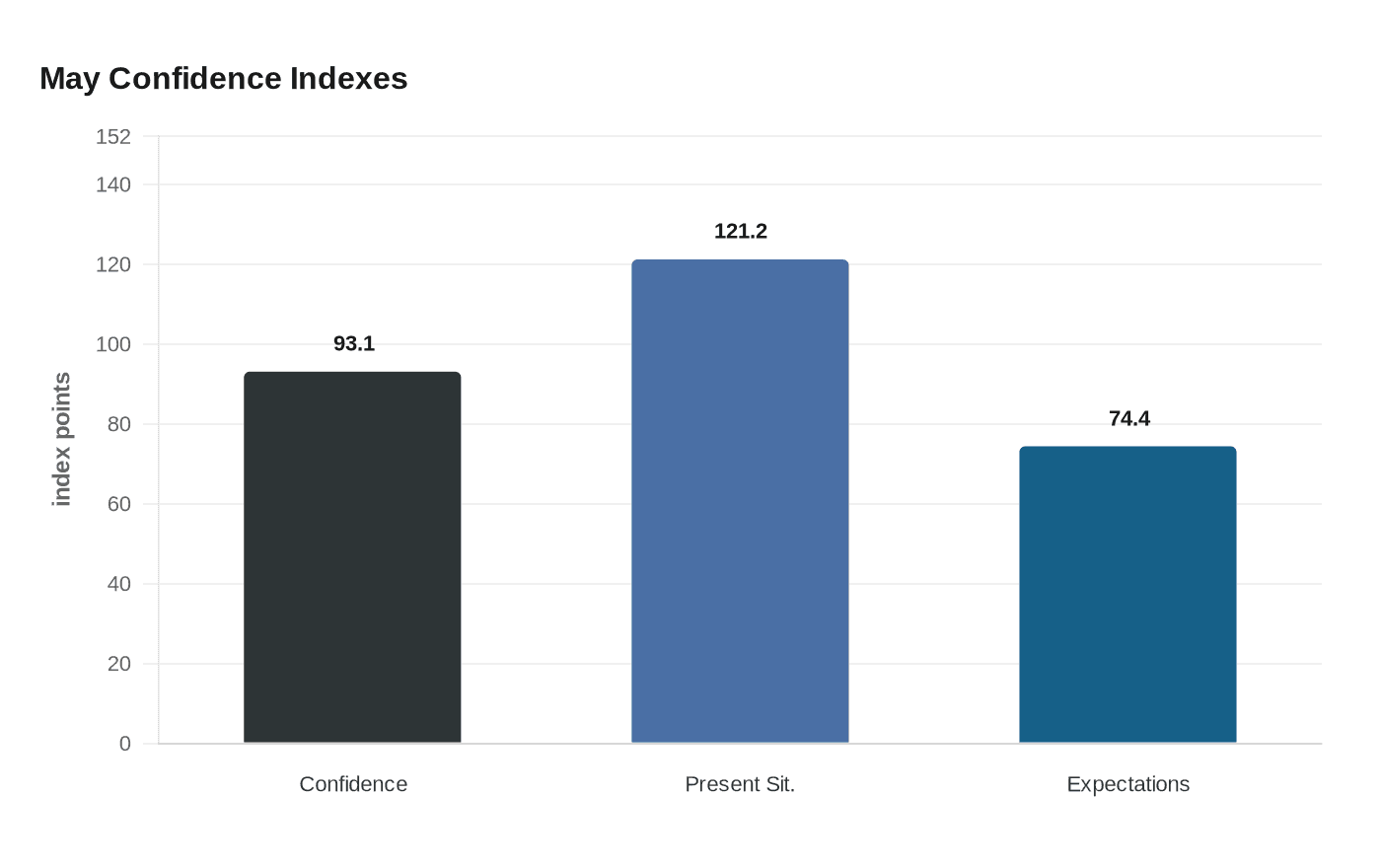
That is the backdrop in May after The Conference Board said U.S. consumer confidence slipped to 93.1 from a revised 93.8 in April. The survey ran from May 1 to May 19, and the headline reading came in above economists’ expectations of 92.0, but still pointed lower. The Present Situation Index fell 3.2 points to 121.2, while the Expectations Index rose 1.0 point to 74.4.
The Conference Board said the report tracks buying intentions, vacation plans, and expectations for inflation, stock prices, and interest rates. Dana M. Peterson, the organization’s chief economist, said current appraisals of business conditions and the labor market were less positive than in April, while expectations six months ahead improved modestly. The organization also said the confidence trend has been moving downward since late 2024, with data available by age, income, nine regions, and the top eight states.
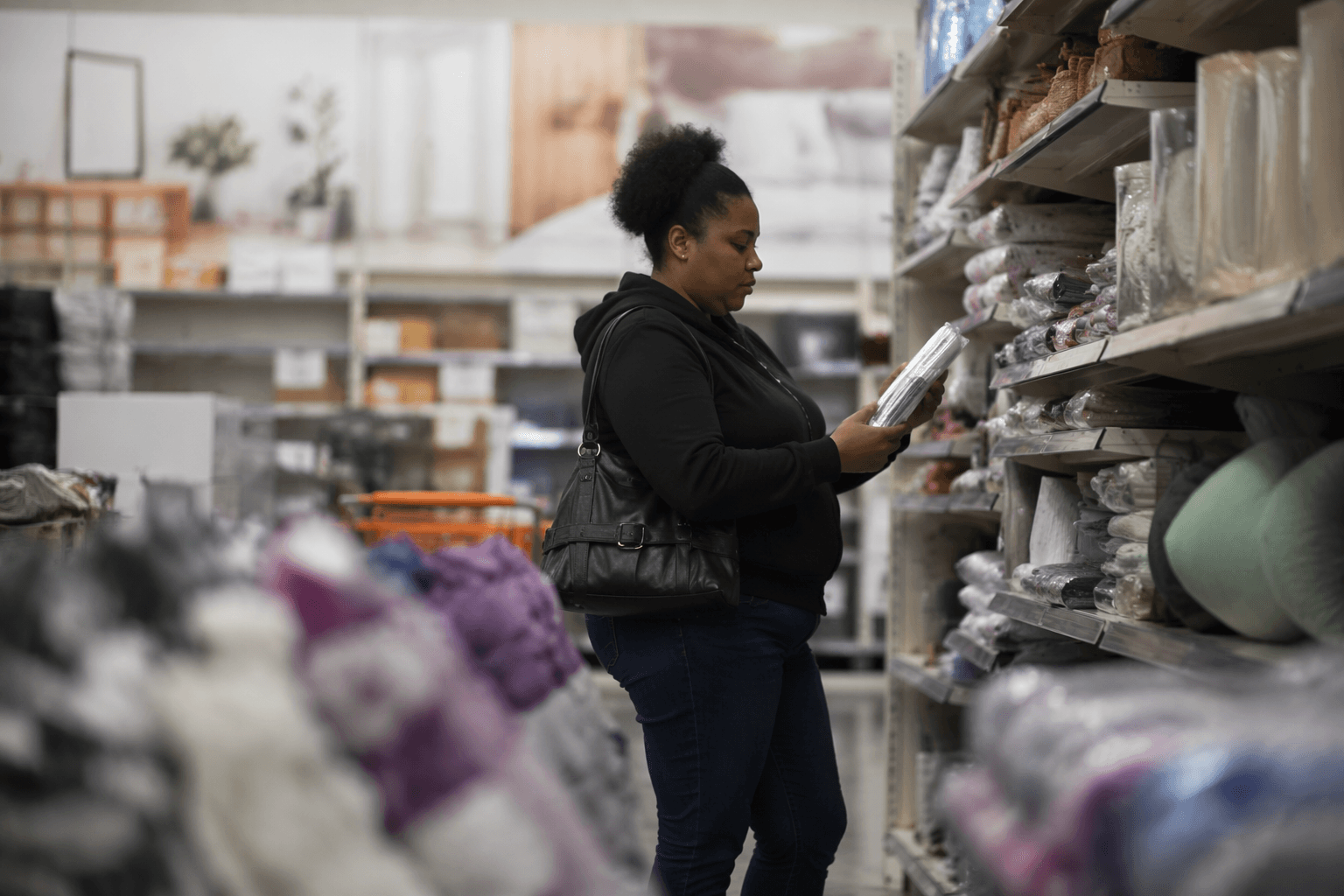
For Big Lots, that matters because the chain lives where cautious spending shows up fastest: furniture, home décor, seasonal goods, and other discretionary categories. When confidence slips, shoppers tend to compare more, trade down faster, and delay bigger purchases unless the value proposition is unmistakable. On the sales floor, that often turns into more questions about promotions, markdown timing, and whether a sale is truly a sale. It can also make the day harder to plan, since nervous consumers can shift traffic patterns without warning and force managers to stay flexible on hours and staffing.
The pressure lands against a company that has already been through a major reset. Former Big Lots, Inc. and its subsidiaries filed voluntary Chapter 11 bankruptcy on September 9, 2024, in Delaware. The case moved through a sale process that won court approval on December 31, 2024, for substantially all assets to Gordon Brothers Retail Partners, and the transaction closed on January 3, 2025.
The May reading also fit a broader picture of strained household sentiment. Reuters reported that consumer confidence eased as worries about inflation linked to the war in Iran intensified, while the University of Michigan’s consumer sentiment measure sank to record lows in May. For Big Lots workers, that combination suggests customers are still buying, but with more skepticism, tighter budgets, and a stronger demand for proof that every ticket on the shelf delivers value.
This article was produced by Prism’s automated news system from verified source data, official records, and press releases, then run through automated quality and moderation checks before publishing. The system is built and supervised by the people who set the standards it runs under. Read our full AI policy.
Did this article answer your question?