Court ruling targets tariffs, partial refunds begin for importers
Partial tariff refunds are reaching importers, and Big Lots could feel it first in what gets bought, delayed, or marked down on the shelf.
Imported closeouts, seasonal goods and home staples could get a little cheaper to source, but that does not mean Big Lots shoppers will see lower tags right away. The bigger shift for stores is upstream: whether tariff relief shows up as better margins, more flexible buys, or a wider assortment of bargain merchandise.
The U.S. Court of International Trade ruled on May 7 that the Trump administration’s 10% temporary global tariffs were unjustified under Section 122 of the Trade Act of 1974. The 2-1 decision did not erase the duties for everyone at once. It applied immediately only to two private importers and the state of Washington, while the temporary tariffs stayed in place for other importers as an appeal moved forward. Reuters also said the duties were expected to expire in July, putting a clock on how long retailers and vendors may have to plan around them.
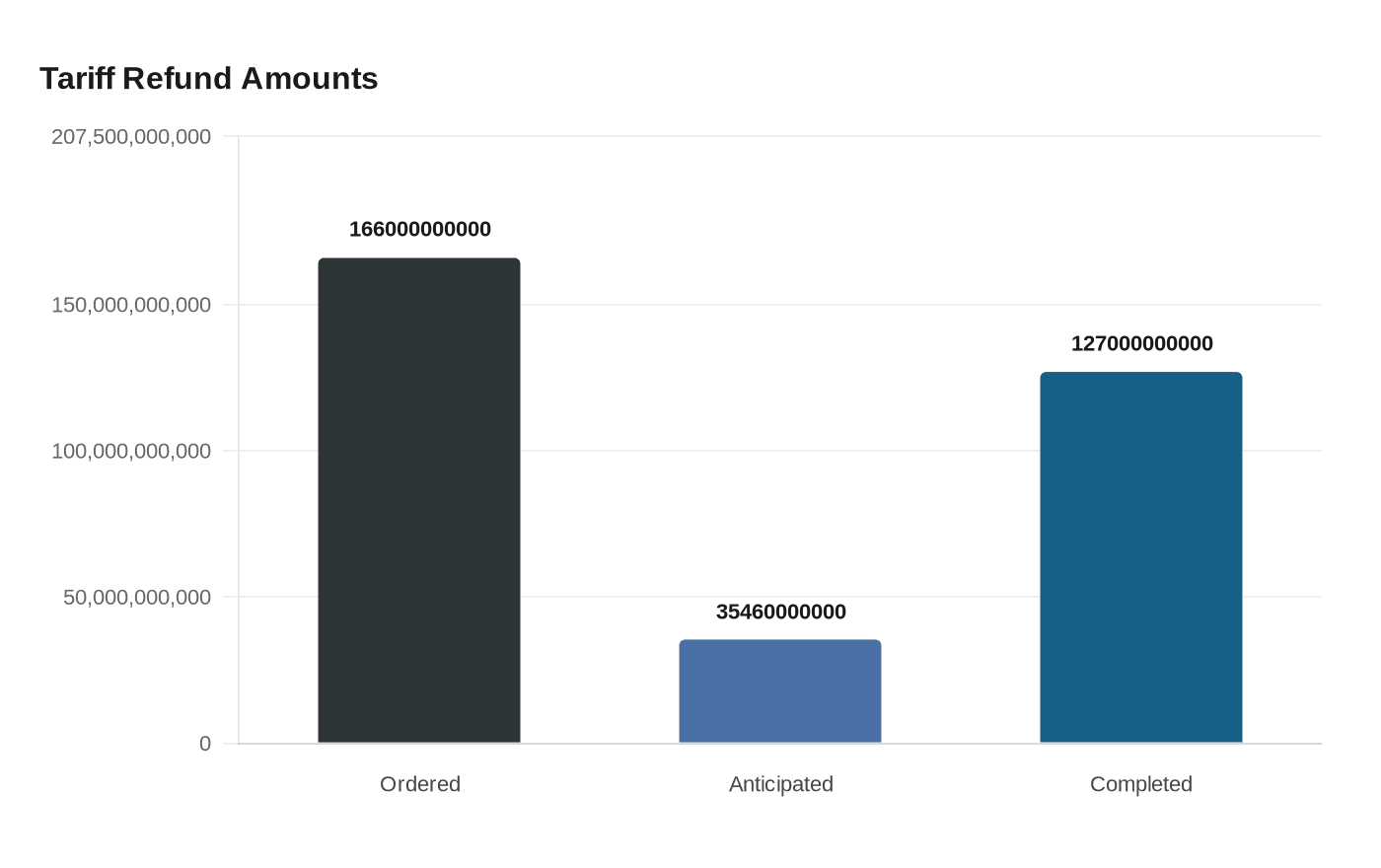
Five days later, the fight moved from the courtroom to cash flow. Oshkosh Corp. and Basic Fun said they had started receiving partial tariff-refund payments, a sign that some importers are finally getting money back on duties already paid. The government has been ordered to refund up to $166 billion to importers. U.S. Customs and Border Protection said it anticipated paying refunds on $35.46 billion tied to 8.3 million shipments processed as of 7 a.m. Eastern on May 11. More than 330,000 importers paid the tariffs on 53 million shipments, and as of early April, CBP said importers had completed steps to get refunds totaling $127 billion.
For Big Lots, those numbers matter because the chain lives and dies on landed cost. In March 2024, Big Lots said bargain products made up nearly 60% of fourth-quarter sales and that it wanted that share to reach 75%. It also said it sourced from over-inventoried and distressed retailers and vendors, plus factory-direct partners in the U.S. and overseas. That mix means tariff changes can affect what lands in the building first, long before a customer notices a price tag.
Big Lots’ reported merchandise mix includes Food, Consumables, Soft Home, Hard Home and Other, Furniture and Seasonal. Those are the categories most exposed to swings in shipping and import costs, especially home goods and seasonal merchandise, where timing and pack size can matter as much as the sticker price. If a vendor’s refund starts to come through, the savings may not show up as blanket markdowns. They may show up as a better buy, a deeper closeout, or a decision to hold a price steady and protect margin instead.
That matters even more as Variety Wholesalers rebuilds the chain after buying 219 Big Lots stores out of bankruptcy and reopening the first wave on April 10, 2025, with 132 more stores slated to reopen in May 2025. Lisa Seigies, the company’s president and CEO, has already flagged tariffs as a real pressure point while those stores were coming back online. With new hearings opening May 5 before the U.S. International Trade Commission and nearly 150 representatives scheduled through May 8, the tariff issue is still in motion. For Big Lots, the result will be measured less in headlines than in shelf sets, replenishment timing and how much room buyers have to keep the bargains coming.
Know something we missed? Have a correction or additional information?
Submit a Tip