DOL fact sheet clarifies Big Lots retail wage, overtime rules
Big Lots’ smaller footprint does not lower the legal floor: covered workers still have minimum-wage, overtime, minor-labor, and timekeeping rights that managers have to track.

Why this fact sheet matters at Big Lots
A smaller Big Lots footprint does not change the basic wage rules: covered nonexempt workers are still owed at least $7.25 an hour, and overtime still starts after 40 hours in a workweek. That matters now because the chain is operating through a bankruptcy-era reset, with 219 stores across 15 states and a leaner, more concentrated workforce.
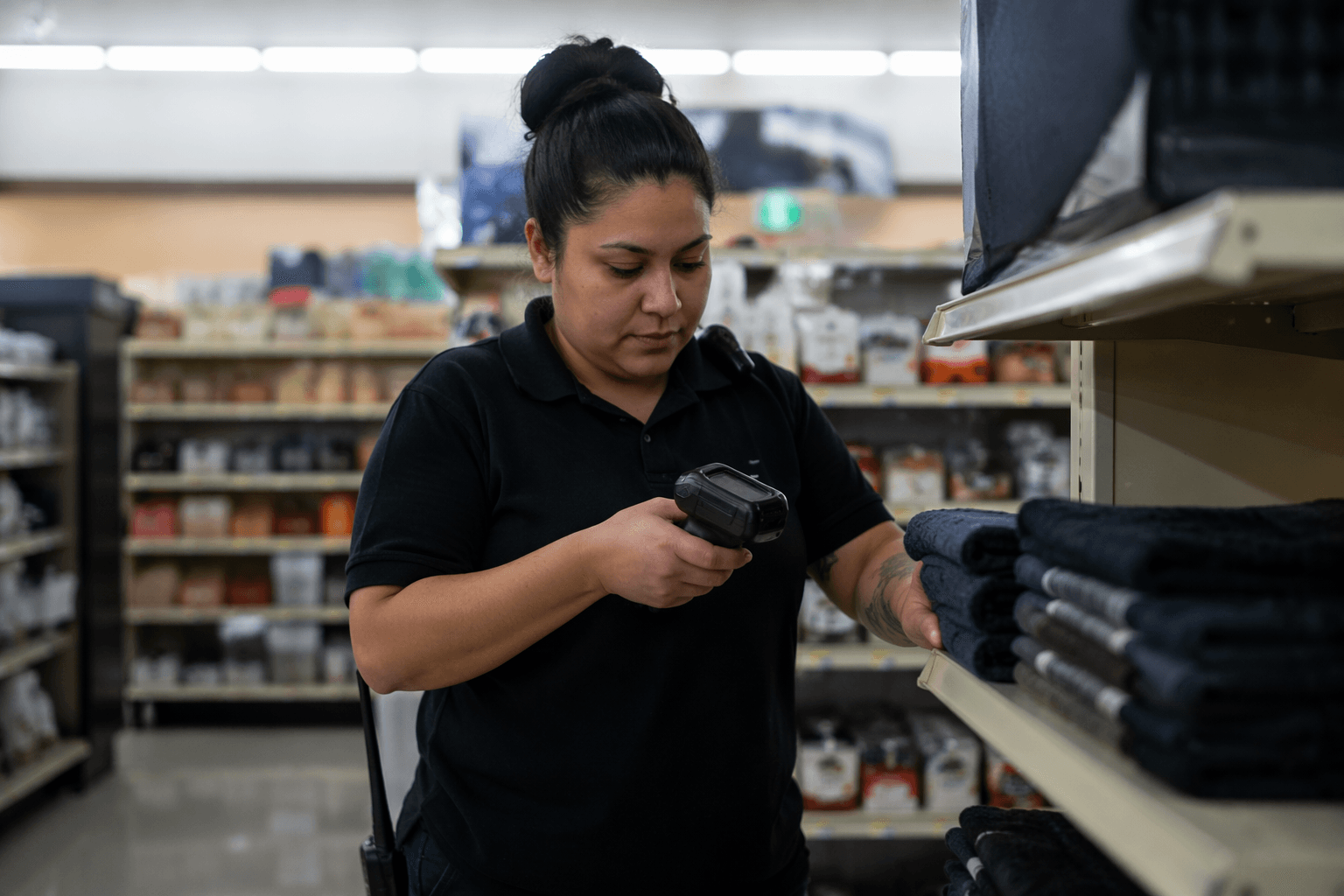
The Department of Labor’s retail fact sheet is useful because it speaks store language, not abstract legal language. For Big Lots employees and front-line managers, the practical point is simple: pay, schedules, age limits, and time records are all part of the same compliance system.
What counts as covered retail work
Retail jobs are covered under the Fair Labor Standards Act when they involve interstate commerce, and that is broader than many people realize. Ordering goods from out of state, processing credit card transactions, using the mail or telephone for interstate communications, keeping records of interstate transactions, or handling goods moving in commerce can all bring a store into coverage.
That description fits modern retail almost everywhere, including Big Lots. In plain terms, if a store is selling merchandise, taking cards, moving inventory, and recording transactions, managers should assume federal wage and hour rules apply unless a specific exemption clearly says otherwise.
What is legal, and what is not, on pay and overtime
For most retail workers, the legal baseline is straightforward: if you are nonexempt, you are entitled to at least the federal minimum wage and overtime after 40 hours in a week. The fact sheet also notes that some commission-based retail or service workers can fall under a special overtime exemption, but that is narrow and should never be treated as automatic just because someone earns commission.
That is where store-level confusion often starts. A paycheck that looks “roughly right” can still be wrong if off-the-clock work, unpaid pre-shift tasks, or missed overtime are not captured on the timecard. At Big Lots, where staffing can change quickly during a transition, the safest practice is to treat every worked minute as paid time unless a manager has confirmed otherwise under the law.
Minor labor rules are not optional
The child-labor rules are one of the most misunderstood parts of retail compliance. The Department of Labor says the FLSA bars minors under 14 from non-agricultural jobs, restricts the hours and occupations for 14- and 15-year-olds, and prohibits hazardous occupations for workers under 18.
That matters in retail because younger workers often show up in seasonal hiring pushes, especially around the holiday shopping season, which the Department of Labor describes as a “make or break” period for many retailers. Big Lots has relied on part-time and seasonal labor in a business that is changing size and ownership, so store leaders need to check age before assigning register work, stocking, late shifts, lifting tasks, or any job that could fall into a restricted category.
The red flags workers should watch for
A wage problem is rarely announced as a wage problem. It usually shows up as a request to clock in after work has already started, to finish closing duties after punching out, or to work through breaks when the schedule says the shift is over.
- Being told to help “for a minute” before clocking in or after clocking out.
- A schedule that does not match the hours you actually worked.
- Breaks that are shortened, skipped, or interrupted without being recorded.
- Managers who say commission pay, salary, or “being part-time” means overtime rules do not apply.
- Younger workers being assigned tasks or hours that do not fit their age.
Watch for these warning signs:
Any of those should prompt a closer look. In a store environment, even small deviations can add up fast when the week stretches past 40 hours or when several employees are juggling multiple roles.
What you should document right away
The Department of Labor is explicit that employers covered by the FLSA must keep records of wages, hours, and other required items for each covered, nonexempt worker. That means your own notes matter too, especially if a timecard, schedule, or payroll stub does not tell the full story.
- Your scheduled shift times and actual clock-in and clock-out times.
- Meal breaks and whether you were fully relieved.
- Any work done before punching in or after punching out.
- Messages from managers about schedule changes, extra duties, or age-related restrictions.
- Pay stubs, schedules, and any correction requests you make.
Keep a simple record of:
For managers, the same rule cuts the other way: if the store changes schedules, reassigns tasks, or adds seasonal coverage, the recordkeeping has to match what happened on the floor. Payroll compliance is not back-office paperwork; it is part of running the store.
Why Big Lots’ bankruptcy reset raises the stakes
Big Lots filed voluntary Chapter 11 bankruptcy petitions on September 9, 2024, entered a sale process, and later closed a transaction involving Gordon Brothers Retail Partners and Variety Wholesalers. The company says Variety Wholesalers acquired 219 Big Lots stores out of bankruptcy, and Big Lots says its new footprint will include 219 stores in 15 states.
That kind of reset changes day-to-day work in ways employees feel immediately. Schedules get rewritten, staffing gets trimmed or rebuilt, and new managers may inherit old payroll habits without fully understanding the wage rules that govern them. Big Lots also says its jobs and advancement practices comply with local, state, and federal law, which makes the legal guardrails around age limits, hours, and records even more important during a transition.
Variety Wholesalers brings more than 70 years of discount retail experience to the brand, but experience does not replace compliance. For workers, the key question is whether the store is paying for every hour worked, honoring youth labor limits, and keeping the records that prove it.
The bottom line for workers and managers
At Big Lots, the clearest rule is also the easiest to remember: if the work is covered, the time has to be paid, the age limits have to be followed, and the records have to exist. In a smaller chain built out of a bankruptcy sale, those basics are the difference between a clean payroll and a problem that lands in the labor office.
This article was produced by Prism’s automated news system from verified source data, official records, and press releases, then run through automated quality and moderation checks before publishing. The system is built and supervised by the people who set the standards it runs under. Read our full AI policy.
Did this article answer your question?