Family Dollar closed 350 stores, signaling pressure in discount retail
Family Dollar cut 350 stores in under 10 months, a 4.69% shrink that gives Big Lots workers an early warning on leases, traffic and closures.

Family Dollar pulled 350 stores off the map between July 7, 2025 and May 12, 2026, a 4.69% reduction that left the chain with about 7,100 locations and hit hardest in Texas, Ohio, Georgia, Alabama, Kentucky and North Carolina. Only six states in that stretch saw no permanent closures, a sharp reminder that discount retail can contract fast when sales, leases and strategy all move at once.
For Big Lots workers, that kind of retreat is more than a competitor’s problem. It can change which shopping centers still draw steady traffic, which landlords are looking to re-tenant dark space, and which neighborhoods suddenly have one fewer bargain stop. When a value chain disappears in a market, the remaining stores can inherit some of that demand, but they can also face more pressure as shoppers concentrate trips into fewer locations.
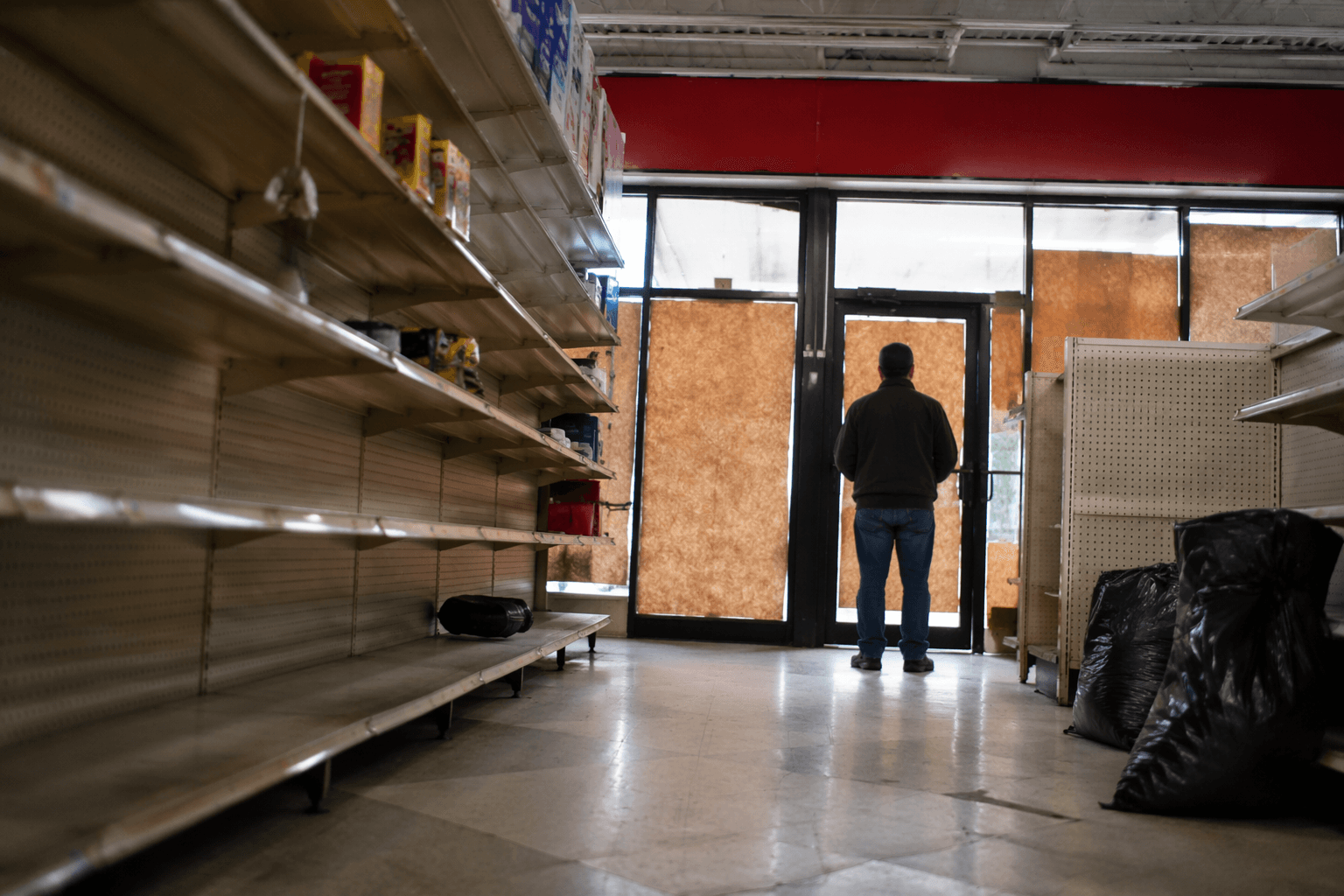
Big Lots has already lived through a version of that shock. The company filed for Chapter 11 bankruptcy protection on September 9, 2024, after weak demand for low-priced furniture and decor collided with a sluggish housing market. On December 19, 2024, Big Lots said all remaining stores would close after a sale to Nexus Capital Management fell through. Eight days later, the company reached a transaction with Gordon Brothers that enabled asset transfers, including to Variety Wholesalers, and Variety Wholesalers later said it acquired 219 Big Lots stores out of bankruptcy.

That backdrop matters because the real-estate market around discount retail is still being reworked. JLL said announced retail closures from 2024 through early 2025 topped 9,900 locations and helped produce the first negative net absorption in retail in four years during the first quarter of 2025. CBRE said retail availability remained at a record low even as closures created space in prime locations, while Cushman & Wakefield said closures outpaced openings by nearly 6,000 locations in 2024 and 2025.
For workers inside stores, the warning signs usually show up before any formal announcement. Inventory can start coming in thinner, maintenance can lag, hours can get shorter, and a landlord can turn over a space nearby as tenant mix shifts. Family Dollar’s 350-store drop shows how quickly that sequence can play out, and Big Lots employees have already seen how fast a chain can move from pressure to closure to ownership change.
This article was produced by Prism’s automated news system from verified source data, official records, and press releases, then run through automated quality and moderation checks before publishing. The system is built and supervised by the people who set the standards it runs under. Read our full AI policy.
Did this article answer your question?