FTC says consumers lost $3.5 billion to imposter scams in 2025
Big Lots workers face fake HR texts, bogus vendor invoices and payroll traps as imposter scams cost consumers $3.5 billion in 2025.
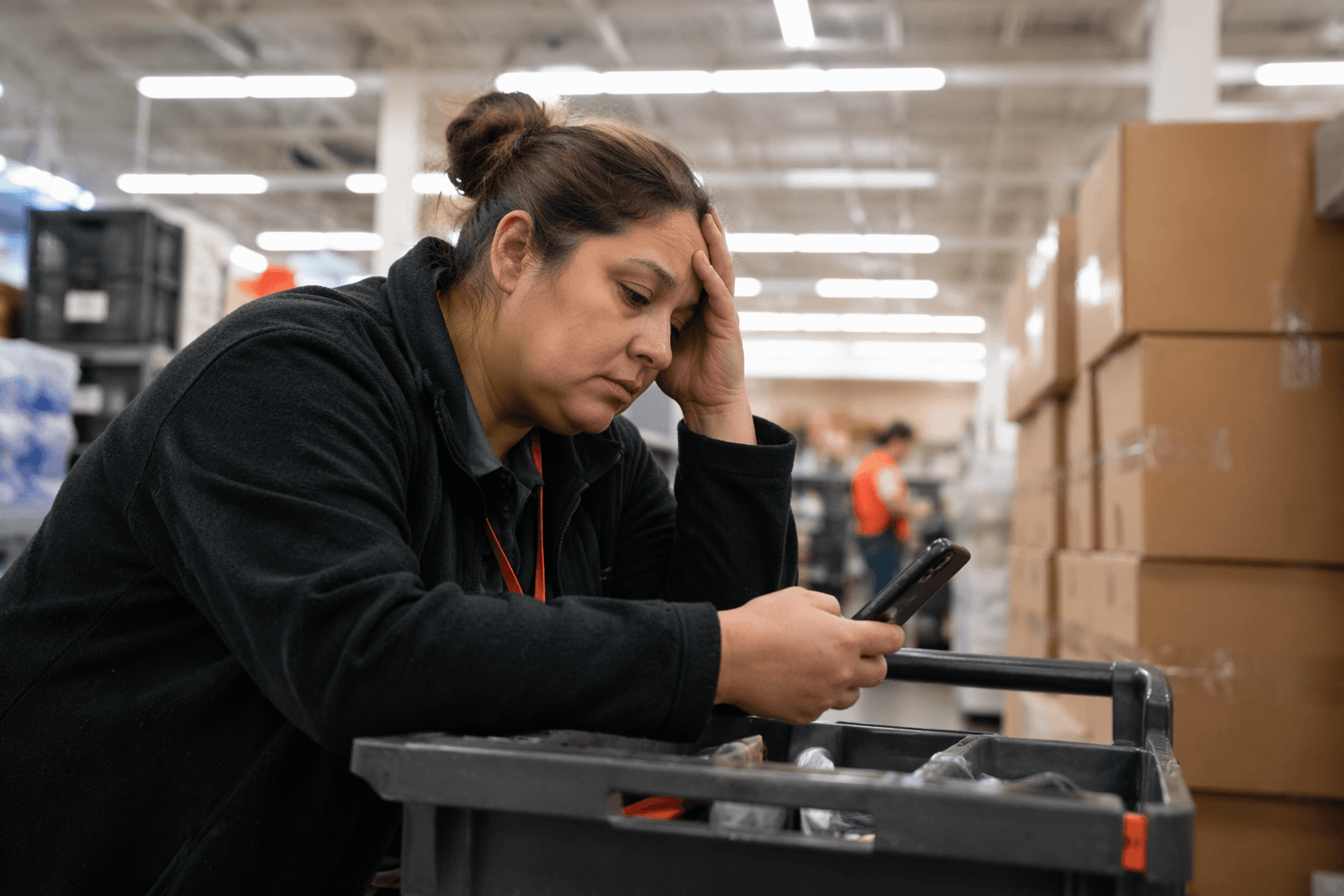
Imposter scams drained $3.5 billion from consumers in 2025, and the pressure does not stop at the customer counter. For Big Lots workers, the same fraud playbook can look like a text from district leadership, a fake vendor demanding an invoice change, or an HR message pushing a gift-card purchase or one-time code before a shift starts.
The Federal Trade Commission said imposter scams were the most reported fraud category in 2025, accounting for nearly one in three fraud reports. Total fraud losses reported that year reached about $16 billion, the highest on record and about 25% above 2024, with scammers reaching people by text, phone, email, social media and search results. The costliest versions often began with a fake security alert, often from a bank, and pushed victims to move money to “protect” it.
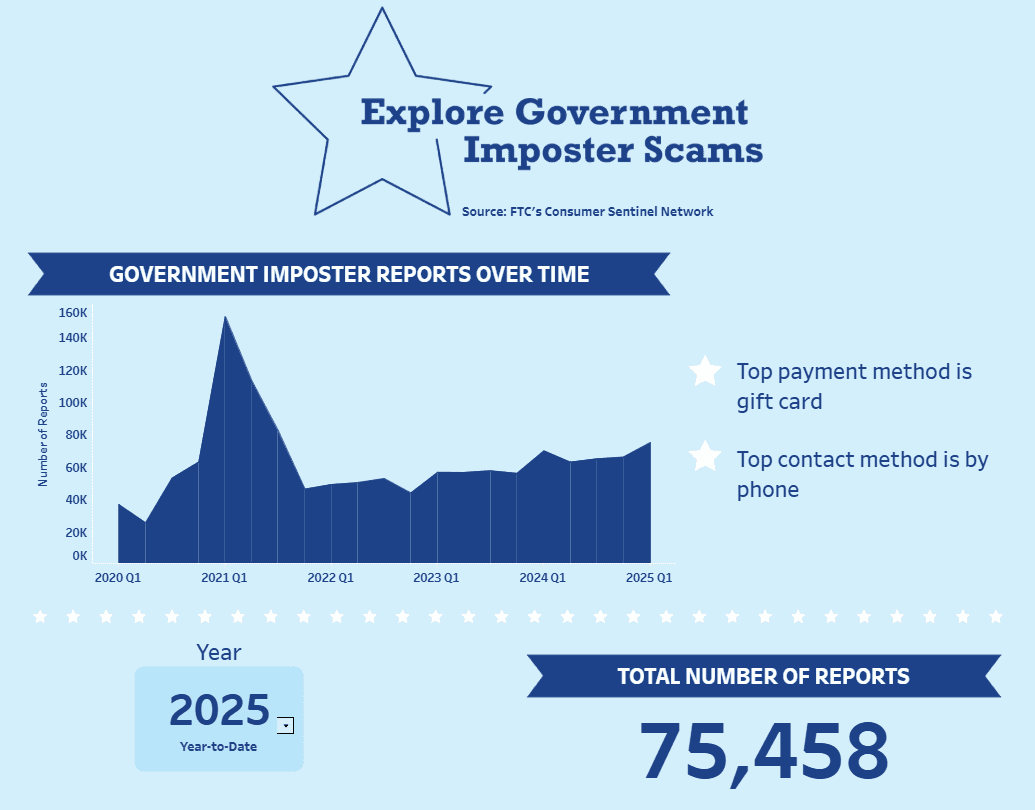
The scale of the government-and-business impersonation problem is especially relevant for retail. FTC data showed government impersonation losses rose to about $920 million in 2025 from $789 million in 2024, while business impersonation losses were nearly $1 billion. Reports of government imposter scams climbed 40 percent, helped in part by fraudulent overdue-toll messages that copied real programs such as EZ-Pass, SunPass, FasTrak and TxTag. In a store setting, the same urgency shows up when scammers try to sound like a store leader, a payroll clerk or a supplier pressing for an immediate transfer.
The FBI warned on April 24, 2025 that cybercriminals were impersonating employee self-service websites through search engine ads, then stealing login credentials and, in some cases, changing direct deposit details tied to payroll, unemployment, health savings accounts and retirement accounts. That matters for Big Lots because the company has been through a major reset after its 2025 bankruptcy purchase, and the new business says it will operate 219 stores in 15 states under Variety Wholesalers. Onboarding, benefits, scheduling, vendor access and store-closure notices all create the kind of routine communication scammers love to mimic.
FTC data also show who is getting hit hardest when the stakes rise. Older adults were much more likely to report very large losses to business and government impersonators, including losses over $100,000, and the number of older-adult reports involving losses of at least $10,000 rose more than fourfold from 2020 to 2024. That is another reason retail teams need to slow down before acting on any message that asks for money, credentials or a code. A real request can be checked through a known company portal or a trusted phone number; a fake one collapses under verification.
The FTC and its partners launched the Never Ever campaign on June 15, 2026, running through June 26 alongside World Elder Abuse Awareness Day, to underline what government and businesses will never do. For a rebuilt chain with 219 stores, the message is plain: the fastest message is not always the real one, and in retail, verification has become part of the job.
This article was produced by Prism’s automated news system from verified source data, official records, and press releases, then run through automated quality and moderation checks before publishing. The system is built and supervised by the people who set the standards it runs under. Read our full AI policy.
Did this article answer your question?