Higher gas prices could squeeze Big Lots shoppers, even as value demand grows
Gas at $4.1740 a gallon is nudging shoppers toward essentials, and Big Lots workers may see it first in smaller baskets and tougher conversion.
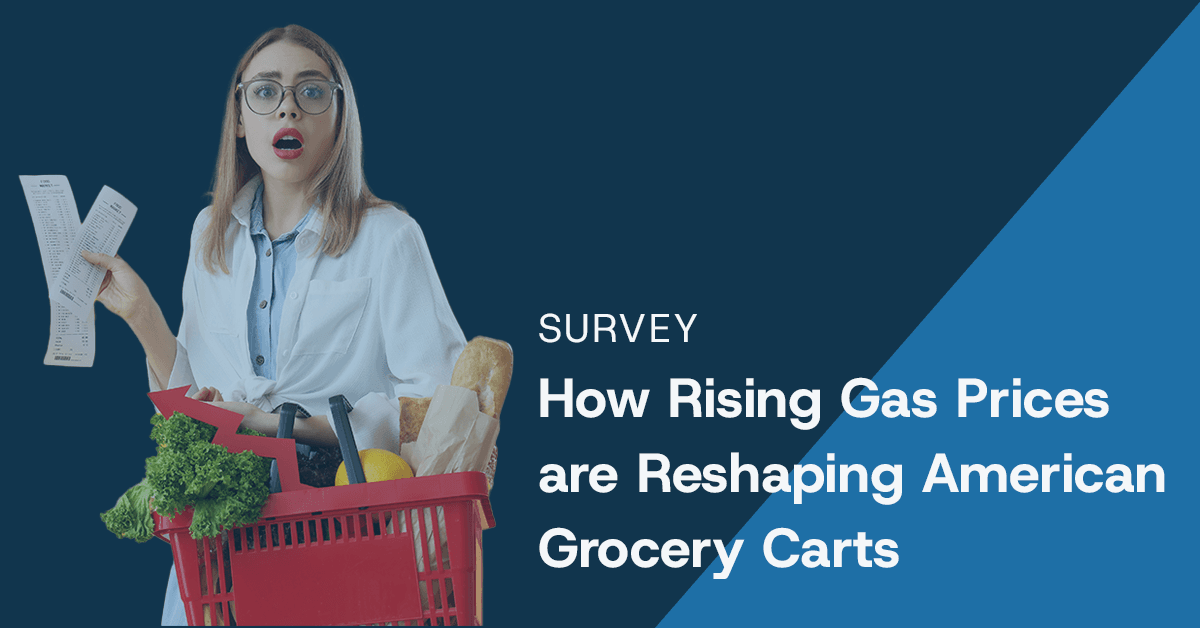
Higher gasoline prices are already changing what shoppers put in their carts, and that shift tends to show up first on the Big Lots sales floor. As the Iran war stretched into its fourth month, Reuters said the conflict was feeding higher gas prices and broader economic pain, a combination that can make discretionary trips feel easier to skip and bargain runs more selective.
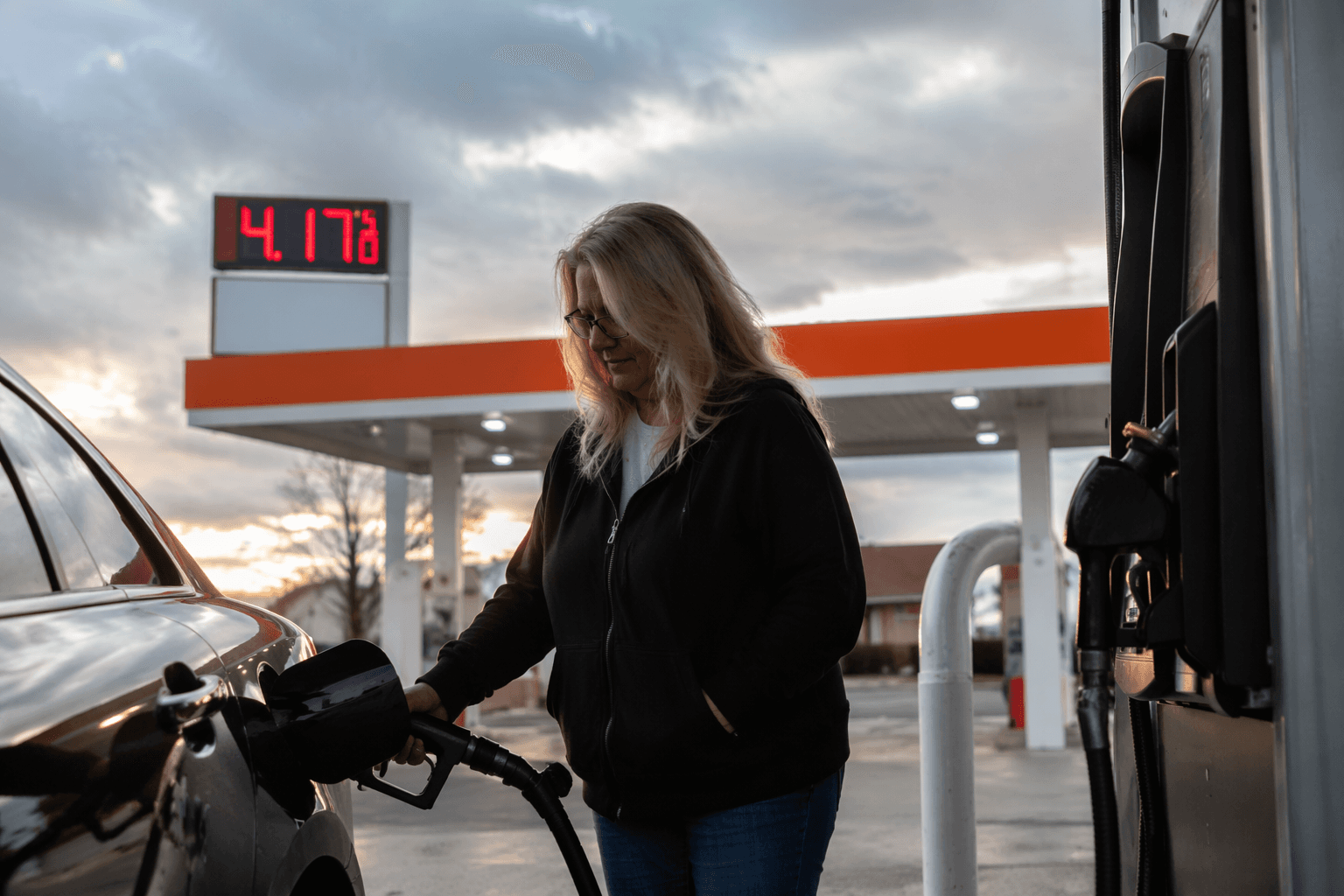
AAA said the national average for regular gasoline was $4.24 a gallon on June 4, then $4.1740 as of June 7, after a recent pullback. Even with that dip, the price swings underscore how quickly fuel costs can change the math for households deciding whether a trip to a discount store is worth it. For associates, that can mean more shoppers walking in with a narrow list, more comparison shopping at the shelf, and more pressure to close a sale before a cautious customer leaves.
The spending pattern matters because value retail can get pulled in two directions at once. Trade-down shoppers can add traffic as households hunt for cheaper basics, but those same customers are often the most promotion-sensitive and least loyal. Reuters noted that lower-income customers were cutting back more sharply while dollar stores were drawing more higher-income households looking for cheaper options, a split that could make traffic less predictable even if the register is still ringing.
That same divide showed up in a Bank of America Institute note released May 13. About 30% of respondents said higher gas prices would not change their summer travel plans, but lower-income households were far more likely to have no summer travel plans at all, nearly 40%. The institute described the season as “K-shaped,” a reminder that summer demand is not moving evenly across income groups. If fuel stays elevated into back-to-school season, that could matter even more because retailers often generate a large share of annual revenue in the second half of the year.
Big Lots has already lived through a harsh version of that consumer pressure. Former BL Stores, Inc., formerly Big Lots, Inc., filed Chapter 11 on Sept. 9, 2024 in the U.S. Bankruptcy Court for the District of Delaware. The cases were converted to Chapter 7 effective Nov. 10, 2025, and Alfred T. Giuliano was appointed Chapter 7 trustee. Before bankruptcy, the company had posted 16 consecutive quarters of comparable-sales declines, reported fiscal 2023 net sales of about $4.7 billion, down 13.6% from fiscal 2022, and a net loss of nearly $482 million.
Variety Wholesalers bought 219 Big Lots stores out of bankruptcy and reopened them in waves across Florida, Georgia, Kentucky, North Carolina, Ohio, Pennsylvania, South Carolina, Tennessee and Virginia. By June 5, 2025, all 219 had reopened, and the company said the response was overwhelmingly positive. That recovery effort now sits inside a consumer environment that is turning more selective again, with fuel costs shaping how often shoppers come in, how much they buy, and how hard store teams have to work to keep baskets from getting smaller.
This article was produced by Prism’s automated news system from verified source data, official records, and press releases, then run through automated quality and moderation checks before publishing. The system is built and supervised by the people who set the standards it runs under. Read our full AI policy.
Did this article answer your question?