H&M inventory miss shows Big Lots risk of too-thin shelves
H&M’s leaner inventory protected control, but it also left sales on the table. Big Lots floors face the same risk when too-thin shelves turn shoppers away.
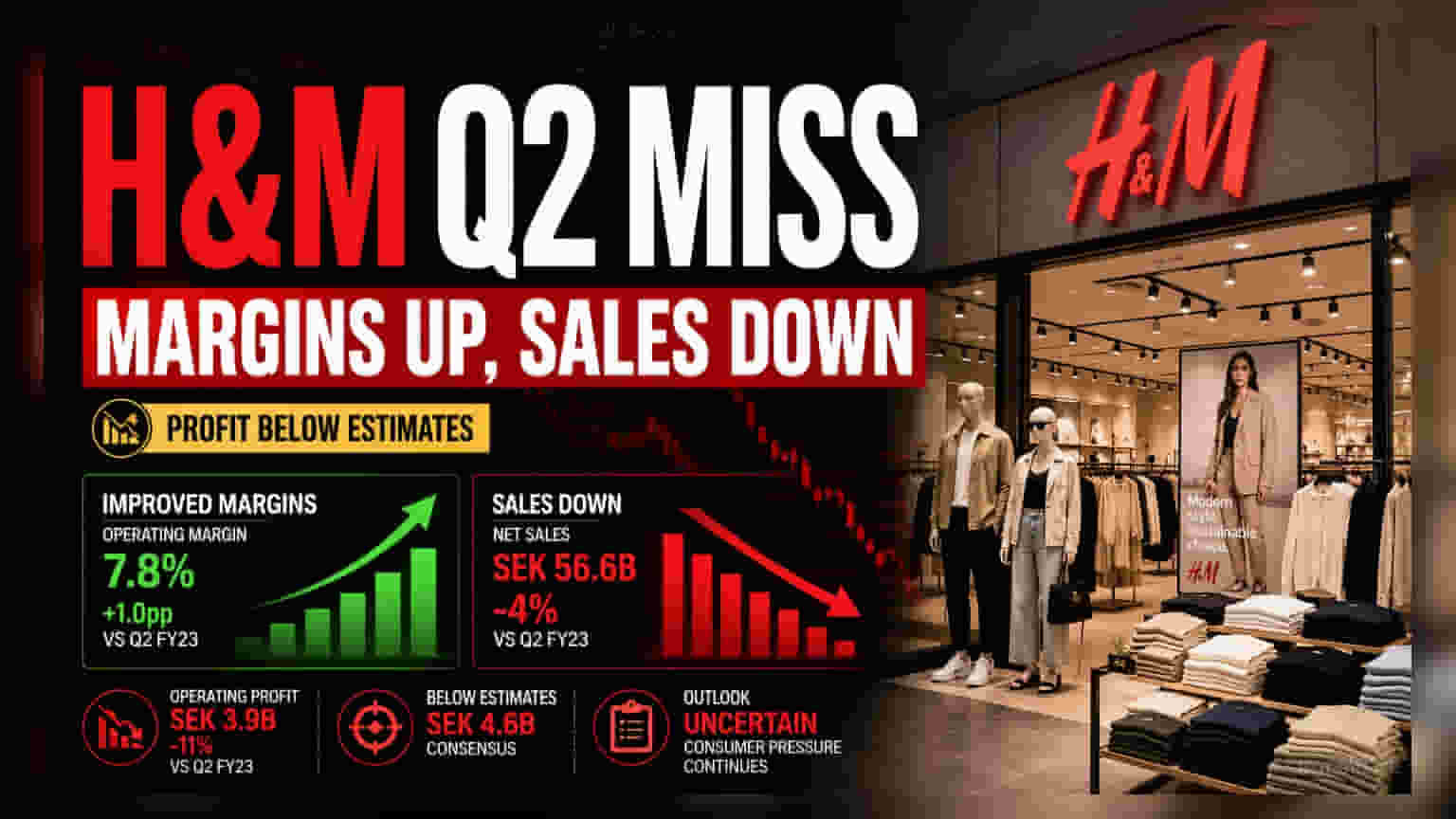
H&M’s latest quarter is a reminder that inventory discipline can go too far. The chain missed profit expectations in its March-through-May quarter after tighter stock left it unable to fully meet demand, proving that a cleaner balance sheet on paper can still translate into empty hooks, missed baskets and frustrated shoppers on the floor.
Why thin inventory can hurt store performance
For Big Lots, the lesson lands fast: stock levels are not just a back-office accounting line. They shape whether a customer finds the item that brought them in, whether an add-on purchase gets made, and whether a shopper decides the trip was worth repeating.
Lean inventory has a real upside. It can reduce markdown risk, limit storage headaches and give managers more control over what sits in the building. But when the shelves get too thin, the store loses sales it already earned the right to capture. That is the part employees feel first, because the missing item is rarely just one item. It is the original purchase, the matching accessory and the impulse add-on that would have come with it.
H&M’s quarter shows the tradeoff clearly. The company reduced the amount of product it kept in stock, and that discipline helped on the control side, but it also kept the business from fully meeting demand during a key selling period. In a value-retail environment, that is a sharp warning. Big Lots depends on the idea that the deal is real and the product is there. If the customer sees the price but not the merchandise, the value message starts to break down.
What the floor feels when shelves run too light
The operational pain shows up in ordinary moments. A customer asks for a featured item and an associate has to check the back room. A manager has to suggest a substitute that is close, but not quite what the shopper wanted. A category that was moving in the morning runs out by afternoon, and the team spends the rest of the day explaining why the shelf no longer matches the sign.
Those workarounds may keep a conversation moving, but they also add friction to the shift. Associates spend more time fielding questions, walking stock, and calming disappointed customers instead of completing a clean sale. On a busy Big Lots floor, that can make a store feel understaffed even when the problem is really inventory availability.
There is also a presentation cost. Too much stock creates clutter and markdown pressure; too little stock makes the building look empty. That matters in a value chain because customers read the shelf as part of the promise. If the store looks picked over, the message shifts from bargain hunting to uncertainty.

What managers should watch beyond gross sales
The most important part of the H&M lesson is that inventory discipline has to be paired with fast reaction. Store teams need to communicate quickly when a category is moving so replenishment can catch up before the shelf runs dry. Managers cannot rely only on gross sales, because a strong sales day can hide the fact that the strongest items are disappearing too fast to keep up with demand.
The better read is what is converting on the floor. If one price point or one type of product is moving faster than planned, the store needs that signal to travel quickly to replenishment and back to the sales floor. Waiting until the next review cycle leaves the business with the wrong mix for too long, and the customer is the one who notices first.
That is why inventory discipline has to be practical, not just lean. The goal is not the smallest possible stock count. The goal is enough product on hand to meet demand in real time without loading the store with excess that later has to be marked down. H&M’s missed quarter shows what happens when the balance tilts too far toward caution.
The Big Lots takeaway
For Big Lots workers, the clearest takeaway is simple: a thin shelf is not just a merchandising issue, it is a sales issue and a service issue at the same time. The best pricing strategy in the world cannot save a trip if the right product is missing when the customer is ready to buy.
That is the operational line every store has to protect. Keep inventory disciplined, but not so tight that the floor stops matching demand. When the balance slips, the damage shows up first in frustrated shoppers and extra work for associates, and only later in the numbers.
This article was produced by Prism’s automated news system from verified source data, official records, and press releases, then run through automated quality and moderation checks before publishing. The system is built and supervised by the people who set the standards it runs under. Read our full AI policy.
Did this article answer your question?