Import prices jump, squeezing Big Lots' imported merchandise costs
Import prices jumped 1.9% in May, raising the cost of Big Lots’ imported furniture, decor and home textiles just as the chain fights margin pressure.

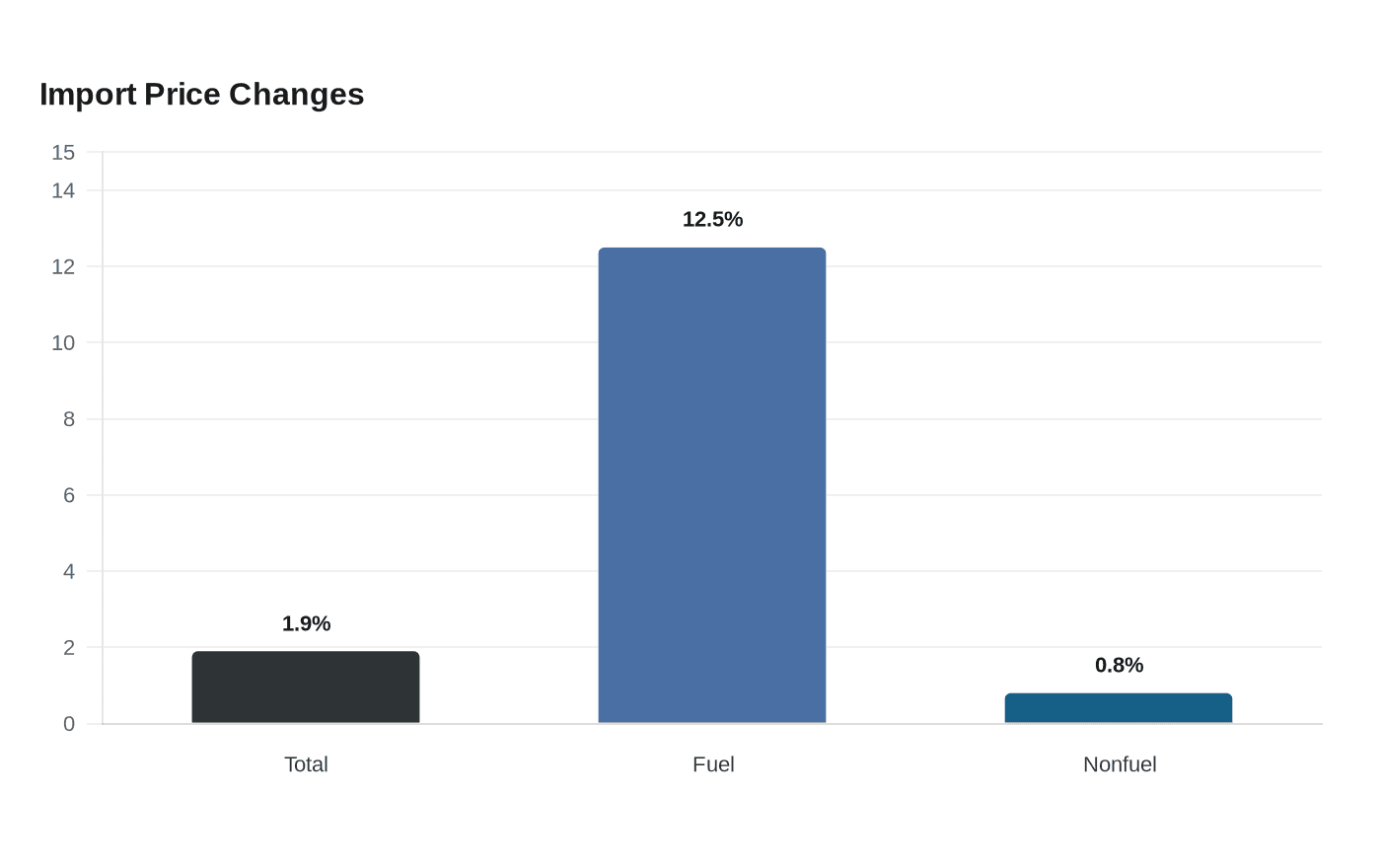
Import prices climbed 1.9% in May after an upwardly revised 2.0% increase in April, and the 6.7% rise from a year earlier was the biggest annual gain since August 2022. For Big Lots, a Columbus, Ohio-based chain built around value-priced home goods, that kind of move matters because it can quickly eat into the cushion between what the company pays overseas and what it can charge in stores.
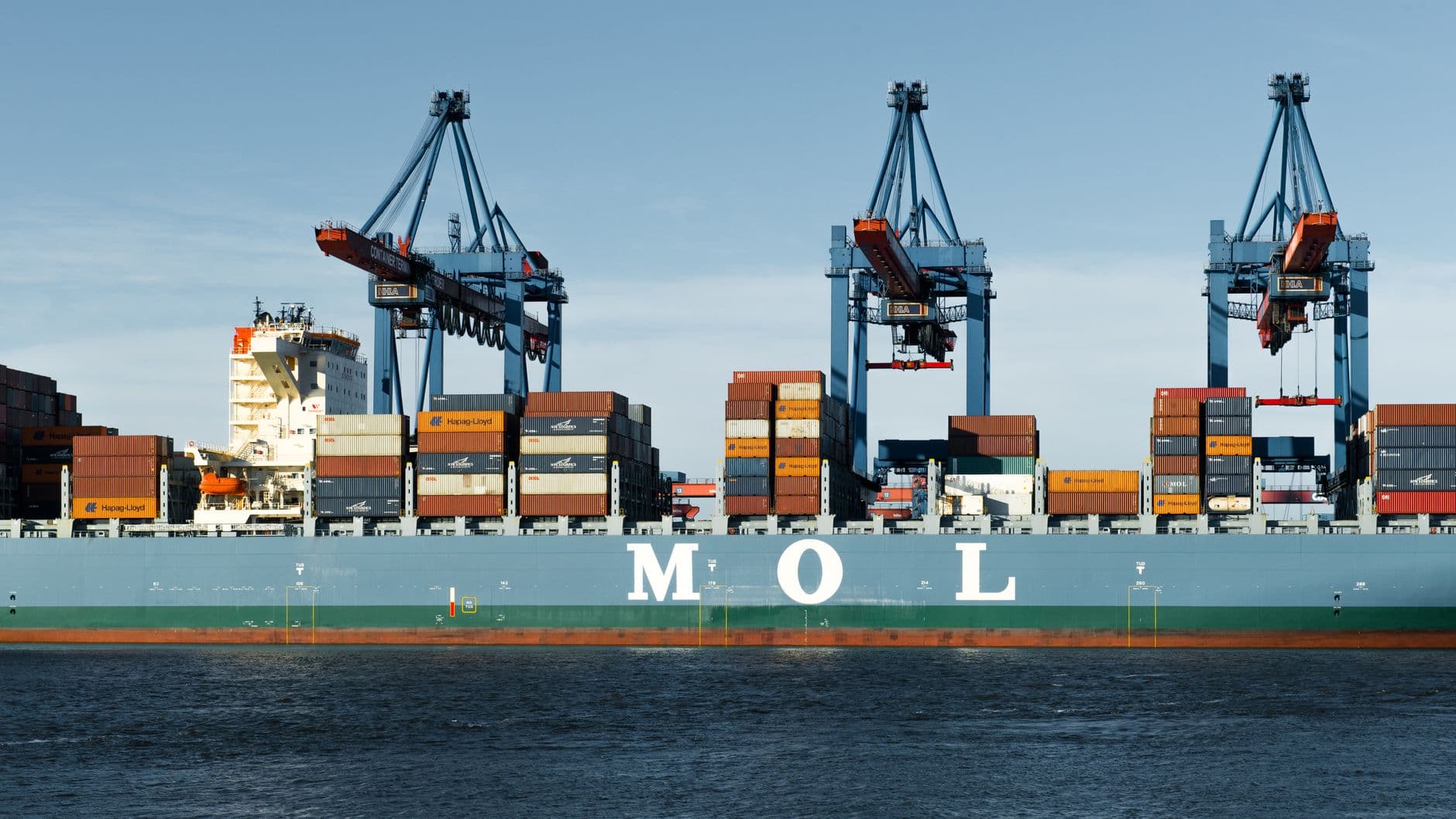
Big Lots said in its 2024 annual report that it relied on manufacturers in foreign countries, including China, for significant amounts of merchandise. The company has also pushed deeper into Asia to hold down costs. In April 2024, it opened buying offices in Shanghai and Ho Chi Minh City to reduce costs and optimize sourcing, with 90% of its imports coming from Southeast Asia and a mix that included furniture, decor and home textiles. That sourcing footprint leaves the chain exposed when landed costs rise, because every added freight, fuel or factory-price increase can narrow the room for markdowns, price resets and promotions.

The government data showed why the pressure can linger even when some headlines suggest inflation is cooling. Import fuel prices rose 12.5% in May alone and 45.1% over the past 12 months. Nonfuel import prices also climbed 0.8% in May and 3.7% from May 2025 to May 2026, lifted by higher prices for capital goods, nonfuel industrial supplies and materials, and consumer goods excluding autos. For a retailer that depends on imported goods to fill its shelves, those increases can change how much safety stock is ordered, how tightly assortments are curated and how aggressively managers are told to chase sales without giving away margin.
That pressure lands on stores and distribution planning, not just on spreadsheets in headquarters. When imported merchandise gets more expensive, the company has fewer easy choices: cut orders, accept thinner margins, or push harder on pricing and promotion timing. Those decisions can ripple into payroll targets, labor scheduling and the amount of inventory a store can carry while still hitting profit goals.
Big Lots entered Chapter 11 on September 9, 2024, citing stubborn inflation, high interest rates and weaker consumer spending on home goods such as furniture and decor. On December 27, 2024, it announced an agreed asset purchase deal with Gordon Brothers Retail Partners that would transfer stores, distribution centers and intellectual property to other retailers and companies, including Variety Wholesalers. Against that backdrop, every rise in import costs makes the fight to protect margin and keep value shoppers engaged even harder.
This article was produced by Prism’s automated news system from verified source data, official records, and press releases, then run through automated quality and moderation checks before publishing. The system is built and supervised by the people who set the standards it runs under. Read our full AI policy.
Did this article answer your question?