Inflation Pressures Big Lots Shoppers, Boosts Value-Seeking Traffic on Home Goods
Inflation kept squeezing Big Lots shoppers in April, with food, energy and shelter costs still rising and pushing more customers toward smaller, cheaper home-goods purchases.
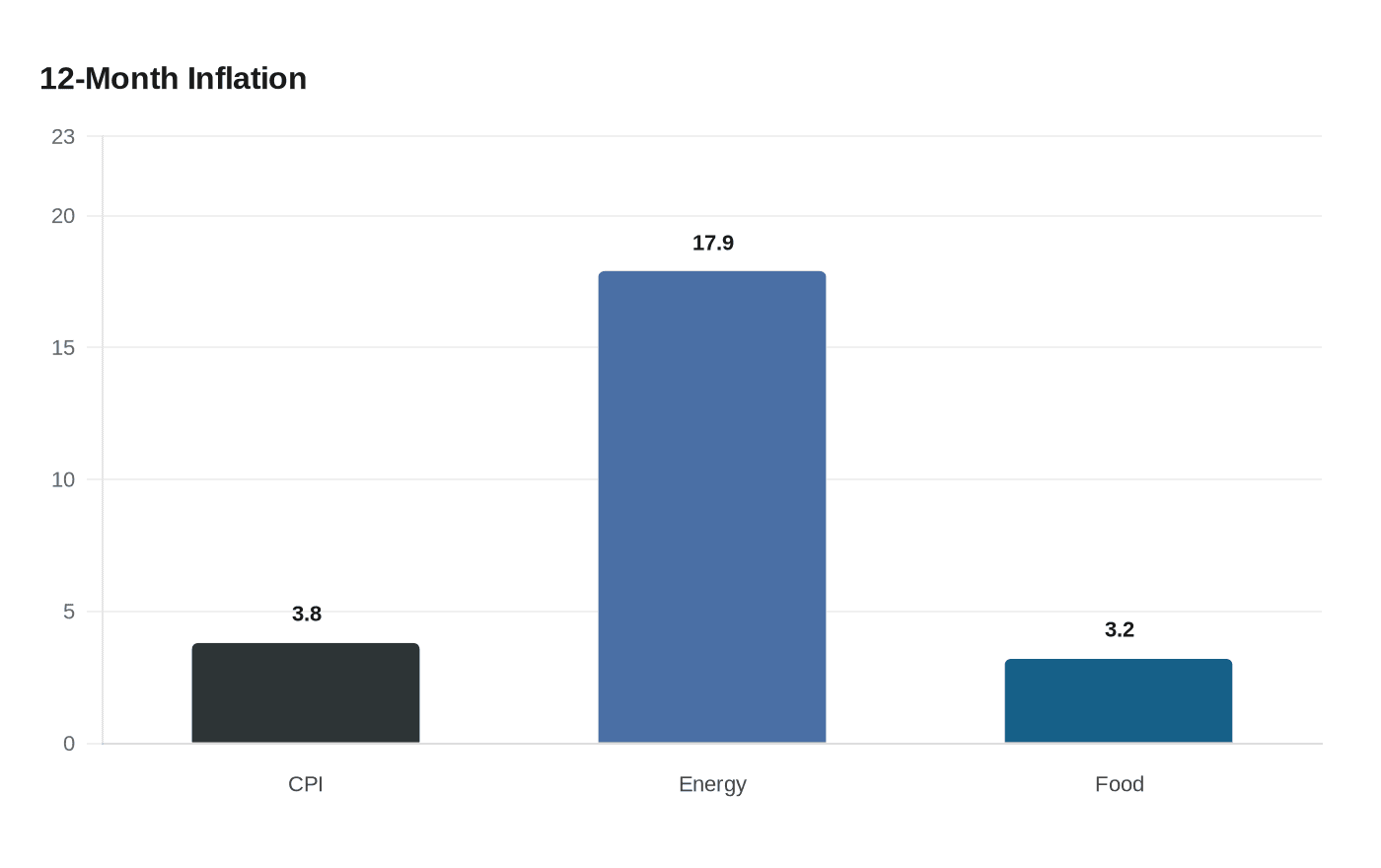
Higher household bills kept setting the tone before Big Lots shoppers even reached the aisle. The U.S. Bureau of Labor Statistics said the consumer price index for all urban consumers rose 0.6 percent in April after a 0.9 percent increase in March, leaving prices up 3.8 percent over the past 12 months. Energy climbed 3.8 percent in the month and 17.9 percent over the year, food rose 0.5 percent in April and 3.2 percent over 12 months, and shelter increased 0.6 percent, the kind of pressure that often leaves families with less room for discretionary spending.
For a value retailer, that mix matters. When gas, grocery and rent costs keep rising, shoppers tend to hunt for smaller-ticket items, compare prices more closely and trade down to the cheapest workable option. Household furnishings and operations was one of the major CPI categories that increased in April, a sign that even the home-related items Big Lots sells can stay in play when customers want to refresh basics without taking on a big purchase. That can drive traffic, but it also raises the bar on price perception, signage and associates’ ability to explain why one item costs more than another.
Big Lots has already lived through the consequences of that strain. The company filed for Chapter 11 bankruptcy protection on September 9, 2024, after citing stubborn inflation, high interest rates and a slowdown in spending on home goods such as furniture and décor. At the time, Big Lots said it operated more than 1,300 stores across 48 states and generated about $4.7 billion in fiscal 2023 revenue. The business also agreed to sell itself to Nexus Capital Management for about $760 million, underscoring how hard the squeeze had become.
Bruce Thorn had been warning about the shift before the filing. In June 2024, he said Big Lots was missing sales goals because consumers were pulling back on high-ticket discretionary items, with especially steep weakness in indoor and outdoor furniture. That trend fits the April inflation picture: even as customers still need couches, beds and basic home goods, they are more likely to delay bigger purchases and look for markdowns, closeouts and lower-priced alternatives.
The company’s restructuring did not end the brand. On January 9, 2025, Gordon Brothers said it completed its purchase of Big Lots and facilitated a going-concern sale that preserved the brand and kept hundreds of stores operating. Gordon Brothers said it provided a $200 million delayed-draw term loan and a $150 million debtor-in-possession loan, while Variety Wholesalers was set to acquire at least 200 stores and retain the employees needed to keep them running. For Big Lots workers, that means inflation is still shaping the day-to-day business, from what customers place in carts to how the chain’s surviving stores compete for every value-conscious dollar.
Know something we missed? Have a correction or additional information?
Submit a Tip