Jumpmind unveils AI risk framework for retail security and operations
Jumpmind unveiled CIRCUIT for AI risk management as Big Lots rebuilds stores, raising one question on the floor: who can explain a system's decision to flag, schedule or discipline workers?
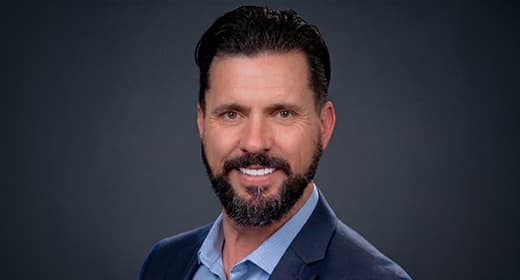
Jumpmind said Chief Information Security Officer Eric Zielinski unveiled CIRCUIT, an open-source framework for AI interpretability risk management, at the FIRST Annual Conference 2026. The company built it for the security community, but the practical question for Big Lots workers is simpler: if AI starts shaping schedules, task assignments, performance tracking or discipline, can a manager explain why?
That question now sits closer to the retail floor because NIST says its AI Risk Management Framework is meant to improve the ability to incorporate trustworthiness considerations into the design, development, use and evaluation of AI products, services and systems. In retail, that kind of governance is no longer abstract. AI tools are already being tied to checkout, loss prevention, access controls, scheduling support and store operations, which means a bad model can affect a worker’s day as quickly as a bad supervisor can.

For Big Lots, the stakes are unusually concrete. The company said in a May 4, 2024 SEC filing that it operated 1,392 stores in 48 states and an e-commerce platform. Former BL Stores, Inc. and its subsidiaries then filed voluntary Chapter 11 cases on September 9, 2024 in the U.S. Bankruptcy Court for the District of Delaware. By June 5, 2025, Big Lots said 219 stores had reopened under Variety Wholesalers in Florida, Georgia, Kentucky, North Carolina, Ohio, Pennsylvania, South Carolina, Tennessee and Virginia.
That kind of rebuild usually comes with new systems, new controls and new pressure to do more with less. Jumpmind’s 2026 AX Insights study said retail store associates face daily challenges involving information gaps, cognitive overwhelm and what it called ancillary AI annoyance. In plain terms, store technology can add noise as easily as it can remove it, especially when a dashboard starts generating alerts that affect labor decisions, compliance checks or loss-prevention reviews.
Retail loss-prevention use cases are already broad, including self-checkout sweet-hearting, exit theft, receiving errors, employee misconduct and organized retail crime. If AI is helping flag those problems, workers need more than a yes-or-no alert. They need to know what data triggered the warning, who reviews it, whether the system can be overridden, and how often a human checks the machine before the machine starts shaping someone’s hours, duties or record.
This article was produced by Prism’s automated news system from verified source data, official records, and press releases, then run through automated quality and moderation checks before publishing. The system is built and supervised by the people who set the standards it runs under. Read our full AI policy.
Did this article answer your question?