Kohl’s warning shows why Big Lots must keep value shoppers engaged
Kohl’s lost value shoppers by losing clarity on the floor. Big Lots workers can spot the same warning signs in assortment, pricing, and service before they show up in the numbers.
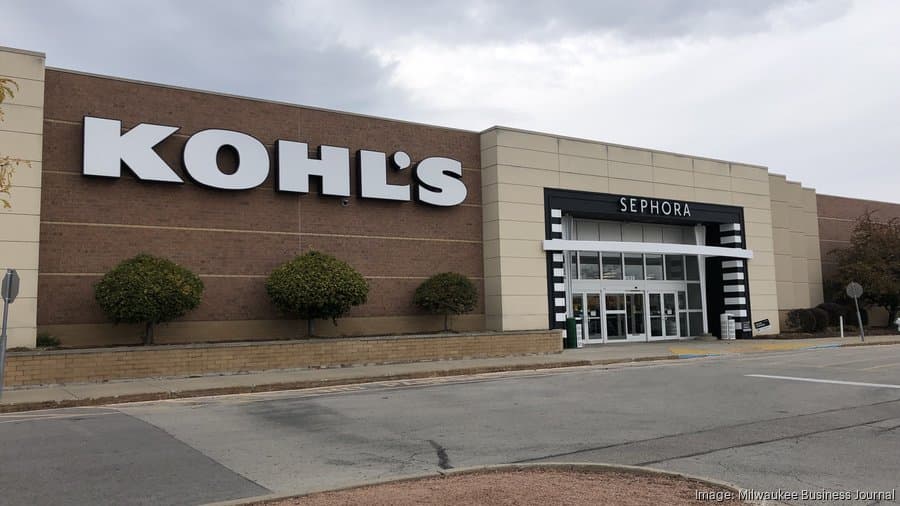
Kohl’s fiscal 2025 net sales fell 4.0% and comparable sales fell 3.1%. The damage started long before the latest sales report. For Big Lots teams, the lesson is that shoppers do not stay loyal to a store that feels less useful, less fresh, or harder to navigate than the alternatives.
What Kohl’s numbers reveal
Kohl’s Corporation, based in Menomonee Falls, Wisconsin, said fourth-quarter net sales were down 3.9% and comparable sales were down 2.8%. Those are not the kind of declines that come from one bad season alone. They point to a longer problem with relevance, one that shows up when a retailer’s core customer stops seeing a clear reason to come back.
Kohl’s said it operated 1,175 stores as of February 1, 2025, which means the turnaround is happening across a large national footprint, not in a small test market. CEO Michael J. Bender said the company was ending 2025 in a stronger position than it started, while also acknowledging that more work remained.
How a value chain loses its core shopper
The Kohl’s story is the gap between what the chain thinks it is selling and what the customer feels she is getting. When a value shopper walks in expecting a clear bargain and finds a muddled mix, the trip starts to feel expensive even if the price tags are not.
That shows up in four places Big Lots workers know well: assortment creep, pricing mismatch, loyalty erosion, and store-experience confusion. Assortment creep happens when the floor starts carrying too many items that do not fit the store’s core promise. Pricing mismatch happens when the ticket does not feel like a real deal compared with the club store, the dollar store, the supermarket promotion, or the online event happening that same day. Loyalty erosion follows when regulars stop believing their favorite store has the same edge it used to have. Store-experience confusion is what happens when the layout, signage, or stock situation makes it hard to find the bargain quickly.
If shoppers cannot tell what belongs where, cannot find a size or color without asking twice, or leave feeling they spent too much time for too little reward, the store has already lost part of the trip.
Why Big Lots cannot treat relevance as a slogan
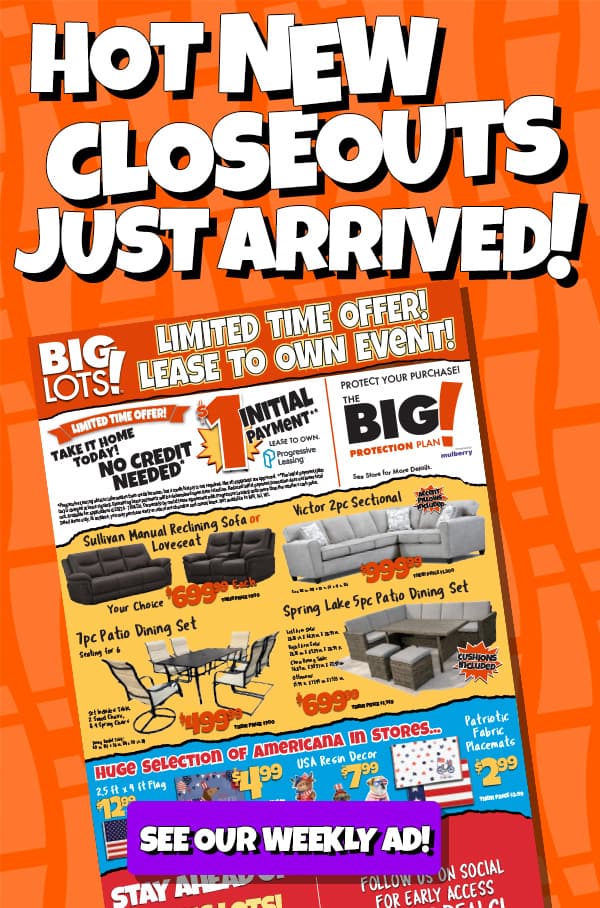
Big Lots has always sold a sharply defined value proposition. Its mix is everyday consumables, housewares, toys, and seasonal goods, and that mix only works when it feels tight, useful, and unmistakably bargain-driven. A vague general-merchandise identity would weaken the reason customers come in at all. For a value chain, the customer is not buying variety for its own sake. The customer is buying confidence that the visit will produce a useful find at a price that makes sense.
The company entered voluntary Chapter 11 proceedings on September 9, 2024, in the U.S. Bankruptcy Court for the District of Delaware, and the case was jointly administered under Case No. 24-11967. Kroll Restructuring Administration lists the filing by Former BL Stores, Inc., formerly Big Lots, Inc., and its subsidiaries. Once a value retailer is in that kind of process, every operational weakness becomes more dangerous, because weak traffic, shaky assortment, and tight cash flow can reinforce one another.
Bruce Thorn has served as Big Lots’ president and CEO since October 2018, so the company has had leadership continuity through the pressure. In a turnaround, the store floor has to prove the strategy is real. Customers do not see restructuring plans. They see whether the aisle is stocked, whether the seasonal endcap makes sense, and whether the register interaction feels quick and straightforward.
What workers can watch for on their own floors
The Kohl’s case offers a practical checklist for Big Lots associates and managers who want to spot trouble early:
- If the aisle mix starts drifting away from the core categories, the store is losing focus before shoppers say it out loud.
- If the price gap no longer feels sharp against nearby alternatives, the value promise is weakening.
- If regular customers stop using the same loyalty patterns, promotions, or trip cadence, trust is slipping.
- If stock levels are erratic, signage is unclear, or basic questions take too long to answer, the trip feels harder than it should.
- If seasonal product sits without movement, the store is not creating the sense of newness that gets value shoppers to make a return visit.
None of that requires a corporate dashboard to notice. It shows up in the rhythm of the day, in the way shoppers move, and in the kinds of questions they ask. Workers usually feel the problem first, because they are the ones hearing when a customer says the same store used to be easier to shop.
This article was produced by Prism’s automated news system from verified source data, official records, and press releases, then run through automated quality and moderation checks before publishing. The system is built and supervised by the people who set the standards it runs under. Read our full AI policy.
Did this article answer your question?