Kroger earns fifth straight Bell Seal for workplace mental health
Kroger’s fifth straight Bell Seal spotlights a retail truth: mental health policies can shape staffing, burnout, and service on the sales floor.
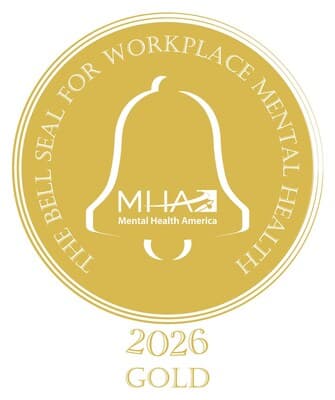
Kroger’s fifth straight Bell Seal for Workplace Mental Health is less a branding trophy than a signal about how retail performance is being judged now. The company said on May 29, 2026, that it earned the 2026 Gold Bell Seal, and Mental Health America’s program measures employers in four areas: Workplace Culture, Benefits, Compliance, and Wellness.
That matters because the Bell Seal is built to look past slogans. Mental Health America says employers that qualify receive a scoring report, a benchmarking chart, a promotion toolkit, recognition on the Bell Seal website, and inclusion in its annual workplace mental-health report. The group also says the 2026 Bell Seal season is closed, which makes Kroger’s repeat recognition a finished test, not a one-off press release. For a chain with thousands of frontline employees, the question is whether the seal reflects daily reality on the floor, where manager behavior, schedule stability, benefits access, and crisis support can affect attendance, burnout, turnover, and customer service.

That is why Big Lots workers should notice the Kroger result. Big Lots filed voluntary Chapter 11 bankruptcy on September 9, 2024, and restructuring pressure tends to make workplace culture more visible, not less. When stores are under stress, the difference between a supportive operation and a chaotic one shows up fast in how schedules are written, how problems are escalated, and whether associates feel safe raising issues before they turn into missed shifts or resignations. A mental-health award does not solve those problems by itself, but it does point to the kinds of management practices that can.
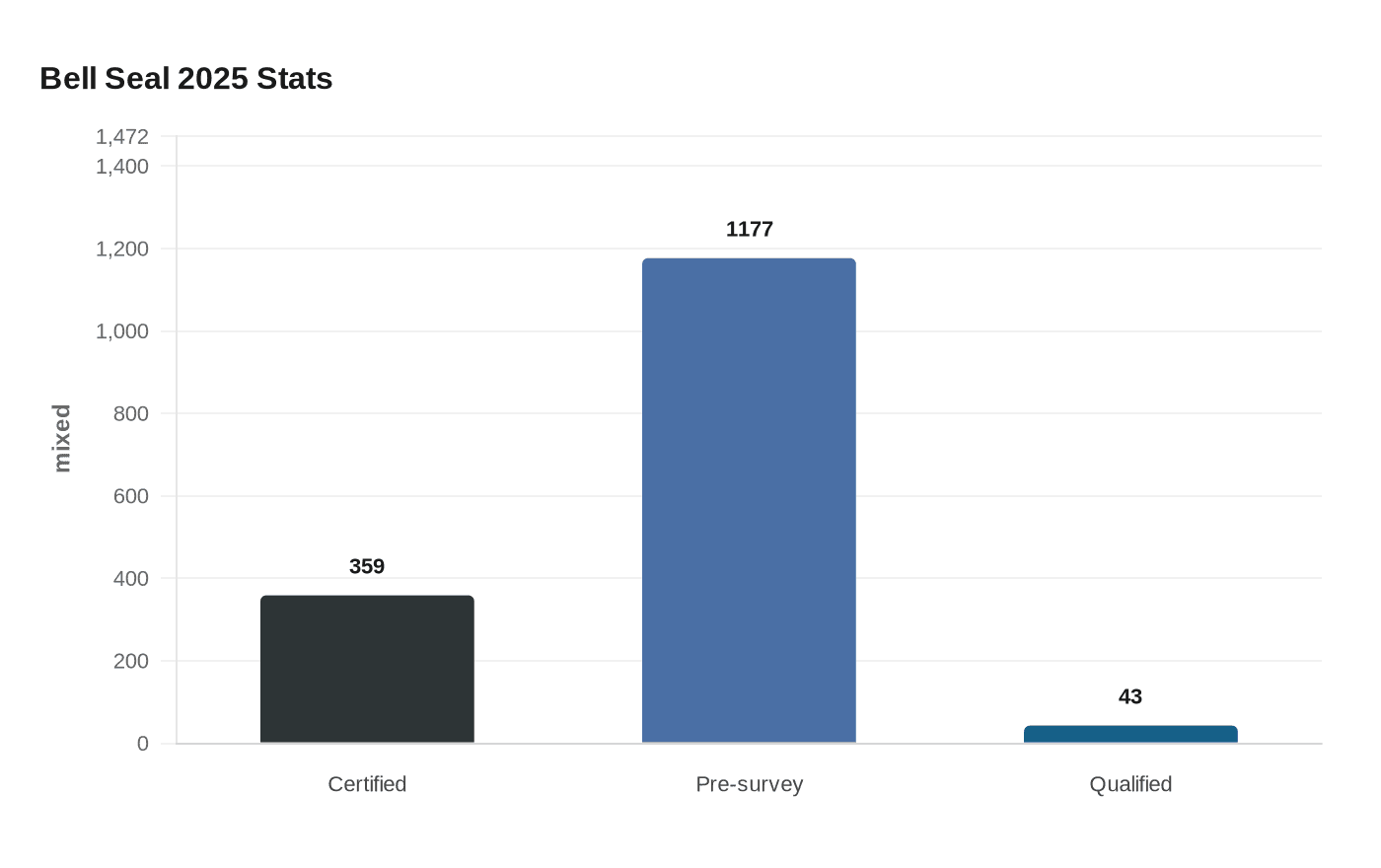
Mental Health America’s own numbers show the Bell Seal has become a broad workplace standard rather than a niche badge. In 2025, 359 employers received certification, and 43% of the 1,177 employers that completed a pre-survey qualified. Recipients ranged from companies with two employees to organizations with more than 1.5 million workers, across 40 states and the District of Columbia. That span suggests large retailers are being compared on the same basic question: do their policies actually support people who keep stores running?
For Big Lots, that is the useful takeaway from Kroger’s recognition. The retailers that will stand out are not the ones that only advertise wellness, but the ones that translate it into manager training, predictable scheduling, usable benefits, and real help when workers hit a crisis. In a business where customer service depends on whether the floor is staffed and steady, mental health is becoming an operating issue, not just an HR line.
This article was produced by Prism’s automated news system from verified source data, official records, and press releases, then run through automated quality and moderation checks before publishing. The system is built and supervised by the people who set the standards it runs under. Read our full AI policy.
Know something we missed? Have a correction or additional information?
Submit a Tip