Target’s Roy Choi snacks show how private label can drive traffic
Target turned $1.59 snacks into a traffic play, and Big Lots can learn from the way a chef name changes private label.
A chef label is doing what a price tag alone cannot
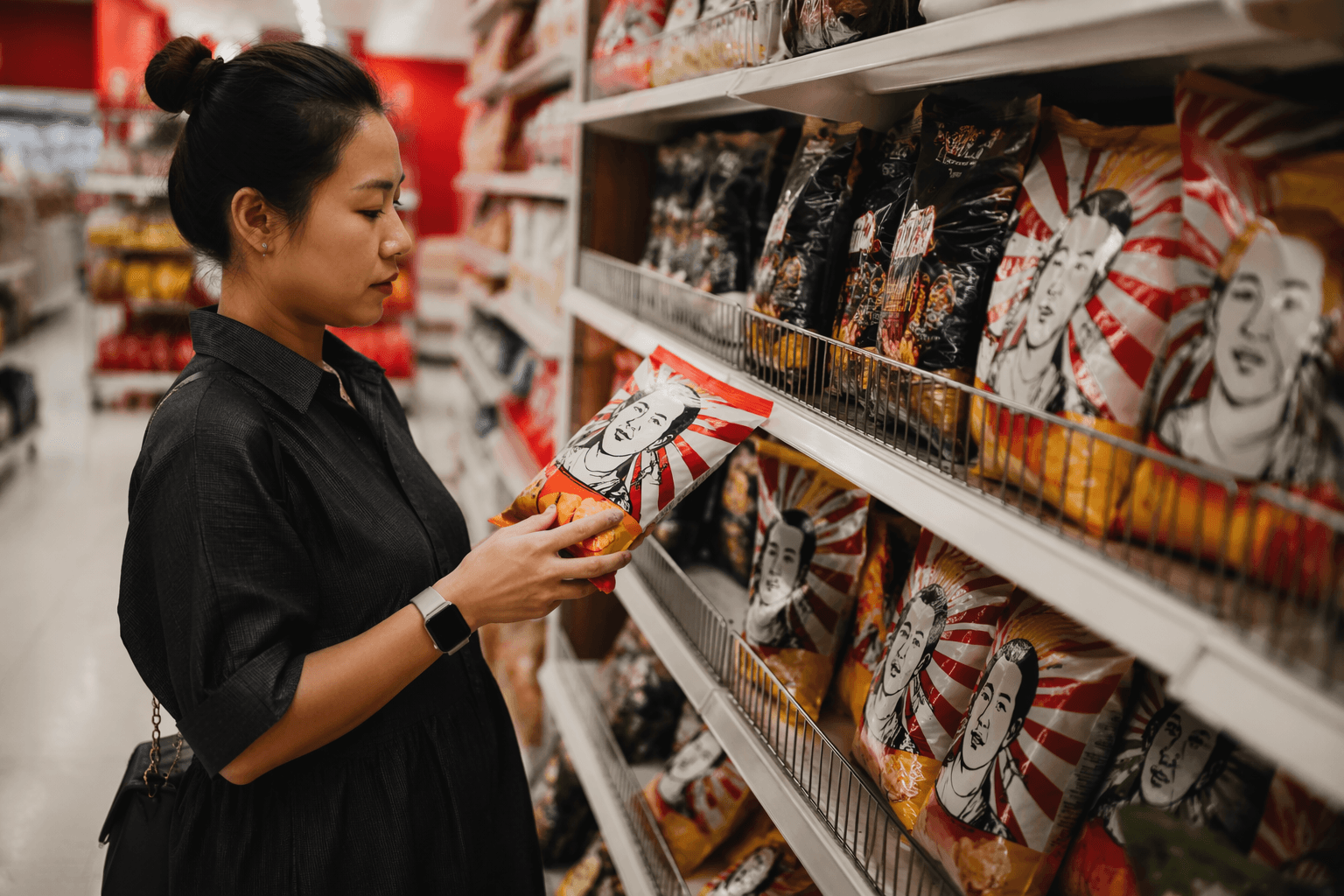
A $1.59 snack is not supposed to feel like an event. Target’s Roy Choi Good & Gather Collabs line changes that equation by wrapping private label in a chef story, a limited-time hook, and a summer-ready assortment that looks built to trigger impulse buys.
That matters far beyond Target’s own aisles. For Big Lots, the lesson is clear: own-brand food stops looking like the cheap substitute when it arrives as a curated drop with a recognizable face, a seasonal angle, and enough variety to make shoppers pause, browse, and add one more item to the basket.
What Target actually put on the shelf
Target said the Roy Choi collection is a limited-time lineup built around bold flavor, discovery, and easy snacking. The product page shows 10 items, all priced from $1.59 to $5.99, and the assortment mixes sweet, salty, and savory in a way that encourages trial rather than routine pantry refills.
- chili lime cake pops
- cinnamon dulce cake pops
- spicy ramen yuca chips
- food truck gummy candy
- savory miso popcorn
- wasabi ranch popcorn
- sweet and savory sesame crunch trail mix
- spicy chili mango gummy candy
- a pineapple chili beef and pork meat stick
- smoky umami recipe fried pork rinds
The line includes:
Target said the collection would start rolling out May 31, 2026, in nearly 1,800 stores. It also said shoppers could buy the items through in-store pickup, same-day delivery, Drive Up, or shipping, which matters because the company is not just treating the line as shelf candy. It is giving the collection multiple paths into the basket.
Why the chef name matters more than the price
Target’s move works because it gives shoppers a story before it gives them a snack. Roy Choi is a recognizable name with cultural weight, especially because he is known for helping spark the modern food truck movement with Kogi BBQ and for food rooted in Los Angeles’s multicultural scene. That identity turns a grocery item into something with personality, which is exactly what private label usually lacks.
Store Brands reported that Choi is the third chef to work with Target on Good & Gather Collabs, following Ann Kim and Rodney Scott. That sequence matters because it shows a pattern, not a one-off stunt. When a retailer keeps returning to chef partnerships, it trains shoppers to expect novelty from own-brand food, which is a very different expectation from “good enough for less.”
Store Brands also said the Roy Choi products are made without synthetic colors, artificial flavors, artificial sweeteners, or high-fructose corn syrup. That gives the line a cleaner, more premium framing without abandoning value, and it helps explain why a shopper might choose the store brand even when national brands sit nearby.
This is what private label looks like when it is treated as traffic strategy
Target is not acting as if private brand is just a margin tool. In March 2026, the retailer said it planned to invest an incremental $2 billion in 2026, including more than $1 billion in additional capital expenditures and $1 billion in operating investments. It tied that spending to store floor plans, displays, payroll, training, technology, and assortment, with the goal of spotlighting top items, new styles, and key partnerships.
That is the real playbook. Private label does not drive traffic by being cheaper in the abstract; it drives traffic when the store presents it as fresh, current, and worth the trip. If a collection feels curated, seasonal, and easy to understand, it gives store teams a clearer script and gives shoppers a reason to stop instead of walking past the aisle.
Target’s broader owned-brand machine explains why it can lean so hard into this. The company says it has more than 40 only-at-Target brands that represent about one-third of annual sales and generate more than $30 billion a year in revenue. Good & Gather, which launched in September 2019, now has more than 2,500 products, which means the Roy Choi line is sitting inside a much larger private-brand platform, not standing alone.
Target also said in 2025 that it would add 600 items to Good & Gather and Favorite Day and launched Good & Gather Collabs with chef and tastemaker partnerships. Grocery Dive reported that the first wave included seven Ann Kim items, including four frozen pizzas, at nearly 1,800 stores and starting just under $7. That progression shows Target is using collaborations to keep its own labels feeling new without relying on national brands to do the heavy lifting.
What Big Lots merchants should take from this
Big Lots cannot copy Target’s scale, but it can copy the logic. The winning move is not simply adding more private-label food; it is giving the assortment a reason to matter this week, this month, and this season.
- Limited-time food collaborations that feel exclusive enough to stop traffic
- Recognizable names or local-style creators that bring credibility to the shelf
- Summer-themed own-brand moments that make the aisle feel timely
- Clear signage and storytelling that make trial easy
- Mixes built for impulse, not just pantry stock-up behavior
For merchants and store teams, that means focusing on a few practical levers:
The point is not to pretend every store brand can become a national event. The point is to make the private-label section feel deliberate instead of leftover. A snack line with a strong theme can help an otherwise ordinary trip feel like discovery, and that can lift basket size even when shoppers came in only for a bargain.
Why this matters in value retail right now
The market is giving retailers permission to be bolder with store brands. According to McKinsey, nearly 75% of U.S. consumers were trading down, and private-label switching accounted for a quarter of that behavior. Ipsos found that 74% of respondents agreed private-label products are just as good as brand-name products.
That creates an opening, but not a guarantee. If the assortment is stale, shoppers still treat private label like a backup plan. If it feels current, affordable, and a little surprising, it becomes part of the reason to walk into the store in the first place.
That is the lesson Target is telegraphing with Roy Choi: private label does not have to sit quietly in the background. Done right, it can pull customers into the store, give employees something worth explaining, and turn a cheap snack into a traffic event.
This article was produced by Prism’s automated news system from verified source data, official records, and press releases, then run through automated quality and moderation checks before publishing. The system is built and supervised by the people who set the standards it runs under. Read our full AI policy.
Know something we missed? Have a correction or additional information?
Submit a Tip