Kroger grows e-commerce sales as margin pressure weighs on profits
Kroger's e-commerce sales jumped 19% while gross margin slipped to 22.7%, a warning that Big Lots workers should expect tighter labor and pricing pressure.
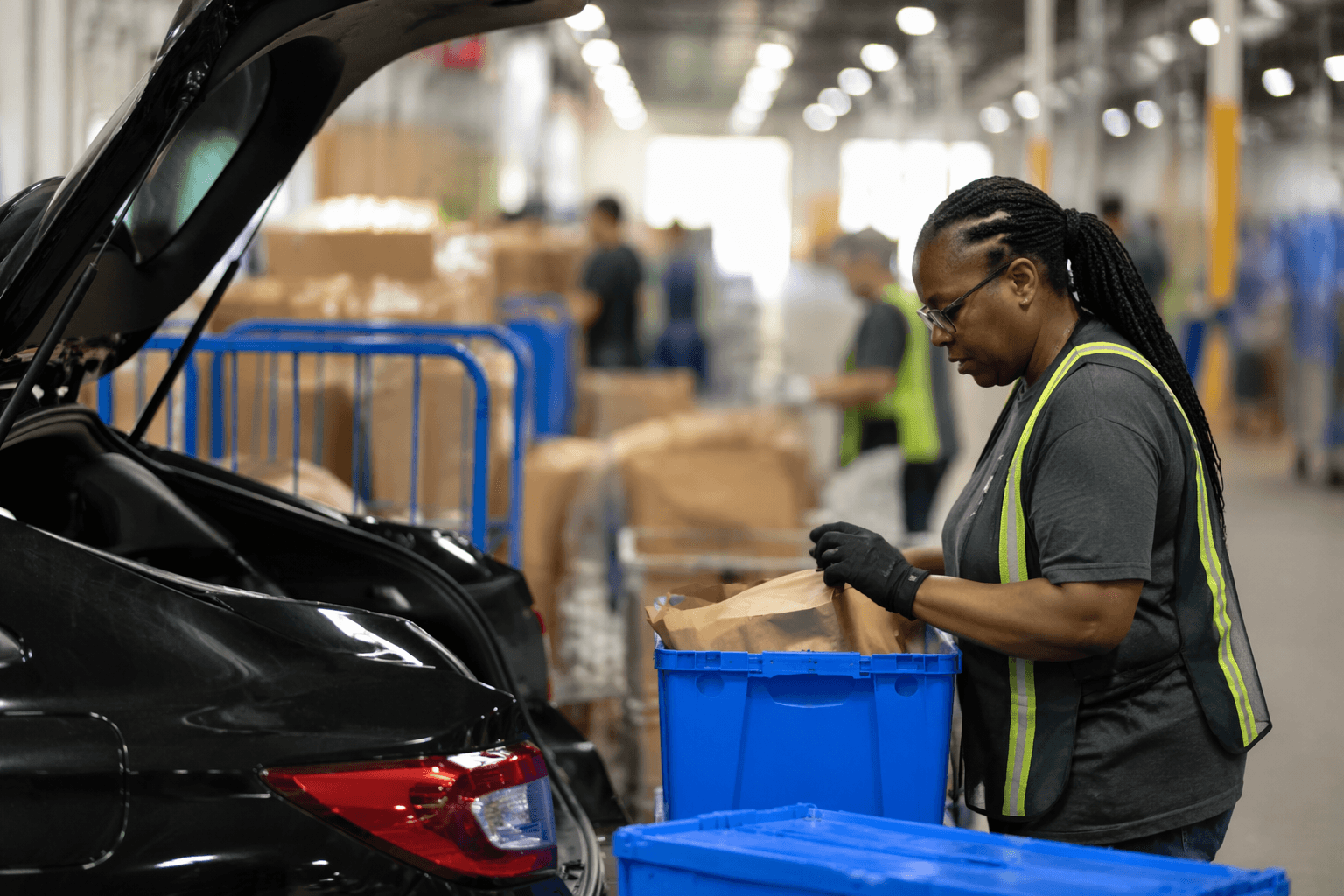
Kroger posted $46.1 billion in first-quarter sales and a 19% jump in adjusted e-commerce sales even as profit margins narrowed. The Cincinnati grocer said operating profit was $1.407 billion for the quarter ended May 23, with adjusted FIFO operating profit at $1.544 billion and adjusted earnings of $1.58 a share.
The company said identical sales without fuel rose 1.0%, while Kroger Precision Marketing profit climbed more than 20%. Gross margin fell to 22.7% of sales from 23.0% a year earlier, with pressure coming from higher transportation costs, egg deflation and planned price investments. Those costs were partly offset by a better pharmacy mix, improved e-commerce profitability, sourcing gains and lower depreciation.

Kroger kept its 2026 guidance after releasing the results on June 18. It also said the FIFO gross margin rate, excluding rent, depreciation and amortization, fuel and adjustment items, slipped 9 basis points year over year. David Kennerley said e-commerce profitability should become a larger contributor to margin expansion over time, a sign that digital growth is no longer just about sales volume but about whether pickup and online orders can earn money.
The stock market focused on the squeeze as much as the growth. Shares fell about 7% in early trading after Kroger warned of rising inflationary pressure in the back half of 2026. That reaction matters for retail workers because it shows how quickly investors and executives can turn from celebrating digital gains to demanding tighter expense control when margins move the wrong way.
For Big Lots workers, Kroger is a useful read on where retail labor is headed next. If a chain with $147.6 billion in fiscal 2025 sales and more than 2,800 locations still has to fight for margin while building e-commerce, store labor tends to get tied more closely to inventory accuracy, pickup support and front-end speed. The message from big grocery is not just that online sales are growing. It is that those sales now come with a harder test for productivity on the store floor.
Big Lots knows the cost of losing that balance. The company filed for Chapter 11 bankruptcy on September 9, 2024, then moved into going-out-of-business sales after a sale process with Nexus Capital Management fell apart. It had about 900 stores when that liquidation process began, after roughly 400 stores had already been closed that year. Variety Wholesalers later reopened 219 Big Lots stores in 2025 after buying locations out of bankruptcy, a reminder that in retail, scale helps only if the store network can still support the labor and execution the business model demands.
This article was produced by Prism’s automated news system from verified source data, official records, and press releases, then run through automated quality and moderation checks before publishing. The system is built and supervised by the people who set the standards it runs under. Read our full AI policy.
Did this article answer your question?