PVH shows retail growth depends on product, channels and cost control
PVH's quarter shows how store traffic, e-commerce, and tariffs collide on the sales floor, a lesson Big Lots workers know from inventory and pricing pressure.

For Big Lots teams, PVH’s latest quarter is a reminder that retail results are built in the store, the warehouse and the planning office at the same time. PVH did not post its numbers on a simple demand rebound story. It paired stronger direct-to-consumer sales with store and e-commerce growth, then layered in tariff refunds, product refreshes and tighter execution to keep margins intact.
What PVH actually did right
PVH said first-quarter revenue came in at $2.0 billion, above guidance on a reported basis and in line with guidance in constant currency. The company also said direct-to-consumer revenue rose 6 percent, or 3 percent in constant currency, with growth in both stores and e-commerce across Calvin Klein and Tommy Hilfiger. That is the kind of result retail operators chase when they are trying to make every channel carry its share of the business instead of leaning too hard on one sales lane.
The company also said first-quarter operating margin landed at the high end of guidance. On the June 4 earnings call, CEO Stefan Larsson and interim CFO Melissa Stone framed that performance as disciplined execution, not luck. That matters because it shows how a retailer can beat expectations without pretending the environment is easy.
For workers, the important point is not the fashion labels. It is the operating discipline underneath them. PVH said it was investing more in e-commerce, store and shop-in-shop renovations, and stronger marketing, while also pushing product innovation in denim and underwear at Calvin Klein and sweaters and outerwear at Tommy Hilfiger. That combination tells you the company is trying to keep the customer experience consistent whether the sale starts online, in a store or in a branded shop inside another store.
Why this matters on the Big Lots floor
Big Lots workers do not need a runway brand to understand the lesson. When a retailer puts more money into e-commerce, store refreshes and sharper product storytelling, it is usually trying to squeeze more value out of each channel, not just grow for growth’s sake. That has direct consequences for store crews, replenishment teams, district leaders and support functions.
- inventory has to arrive on time and in the right mix
- pricing changes have to be coordinated more tightly
- store teams feel pressure when fulfillment and shelf presentation have to work together
- support offices have to move faster when channel performance shifts
The practical effects show up fast:
That is especially relevant at a company like Big Lots, where a missed assortment or a late shipment can turn into empty shelves, clearance pressure or extra labor spent trying to make a weak plan look workable. The more a company asks stores to carry the customer experience, the more coordination matters between merchandising, supply chain, stores and online operations.
PVH’s quarter also underscores a point retail employees know well: growth does not excuse process failures. A company can sell more, invest more and still see the whole operation wobble if it cannot keep merchandise, marketing and channel mix aligned. That is why these reports matter far beyond the brand names on the hangtags.
Tariffs, conflict and the cost side of retail
The most revealing line in PVH’s outlook was not about fashion, but about cost. The company said its full-year 2026 view now reflects the estimated negative prolonged effects of the Middle East conflict together with offsetting tariff refunds. It said full-year revenue is projected to be approximately flat and non-GAAP operating margin to remain around 8.8 percent.
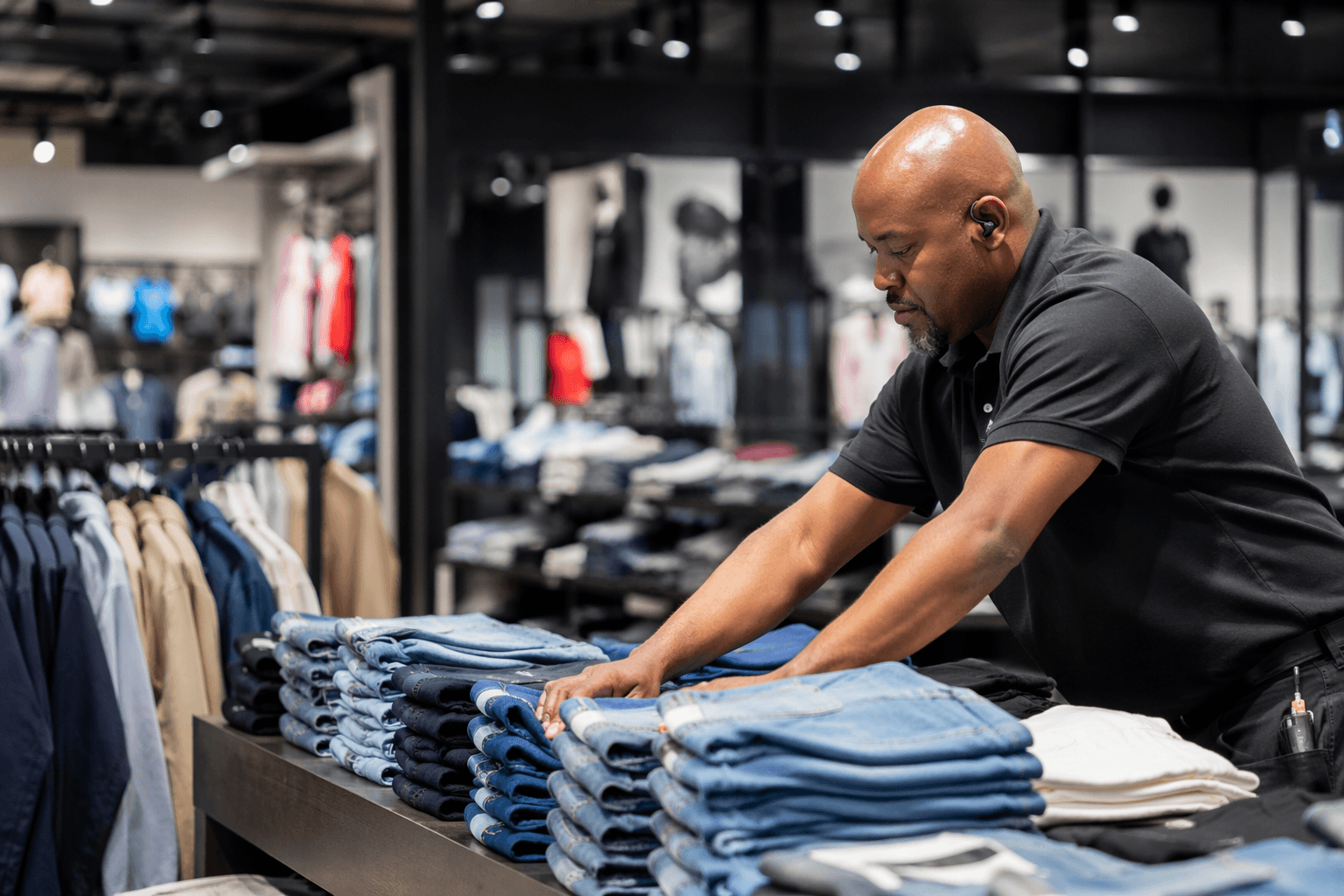
That is the part retail workers tend to feel even when they never see the spreadsheet. Sourcing costs can ripple into pricing, assortment and margin decisions across categories. When a company gets tariff relief, it does not mean the pressure disappears. It usually means management gets a little more room to absorb other shocks while still funding the investments it wants to keep making.
For a store employee, that can show up as new price points, different pack sizes, tighter inventory timing or more aggressive movement of slower items. For a distribution or replenishment team, it can mean more urgency around what gets shipped, when it ships and how quickly it has to turn. For managers, it can mean more scrutiny on whether the store experience is strong enough to justify the margin plan behind it.
PVH’s message was that it can keep investing while holding operating margin steady because tariff refunds help offset other pressures. That is a clean example of how external costs get translated into operational choices on the ground.
The product playbook is about coordination, not slogans
PVH’s product choices also matter because they show how a retailer tries to create demand in a soft or uneven market. The company leaned on denim and underwear at Calvin Klein and sweaters and outerwear at Tommy Hilfiger, while also running 360-degree spring marketing campaigns. That mix suggests a deliberate push to match the right product with the right channel at the right time.
The store side and the digital side are working together in that model. E-commerce investment can drive convenience and reach, while store and shop-in-shop renovations help the in-person experience feel more current. The point is not that one channel replaces the other. The point is that each channel has to reinforce the other if the company wants better sell-through and less waste.
That is a useful lens for Big Lots, where the merchandise is different but the operating challenge is similar. If the mix is off, the store absorbs the pain first. If timing is off, markdowns follow. If the online and store experiences do not line up, the burden shifts to associates who have to explain gaps, substitutions or delays to customers.
Big Lots is the cautionary case underneath the lesson
Big Lots already showed what happens when the balance breaks. Former Big Lots, Inc. and its subsidiaries filed voluntary Chapter 11 proceedings on September 9, 2024, in the U.S. Bankruptcy Court for the District of Delaware. Reporting on the case tied the filing to weaker consumer spending on home goods, high inflation, high interest rates and a sluggish housing market.
The scale of the distress was large. Coverage at the time said the chain had around 1,400 stores and more than 30,000 workers. It also said the company initially agreed to sell to Nexus Capital Management for about $760 million before the process moved toward liquidation under court supervision.
That is why PVH’s quarter is worth reading as more than a fashion story. It is a retail operating story, and Big Lots employees know exactly what that means. When a company aligns what it sells, where it sells it and what it can afford to pay for it, stores can function with less chaos. When that alignment slips, the consequences hit the floor first, then the payroll, then the map of the chain itself.
This article was produced by Prism’s automated news system from verified source data, official records, and press releases, then run through automated quality and moderation checks before publishing. The system is built and supervised by the people who set the standards it runs under. Read our full AI policy.
Did this article answer your question?