Shoppers still spend, but value drives every retail decision
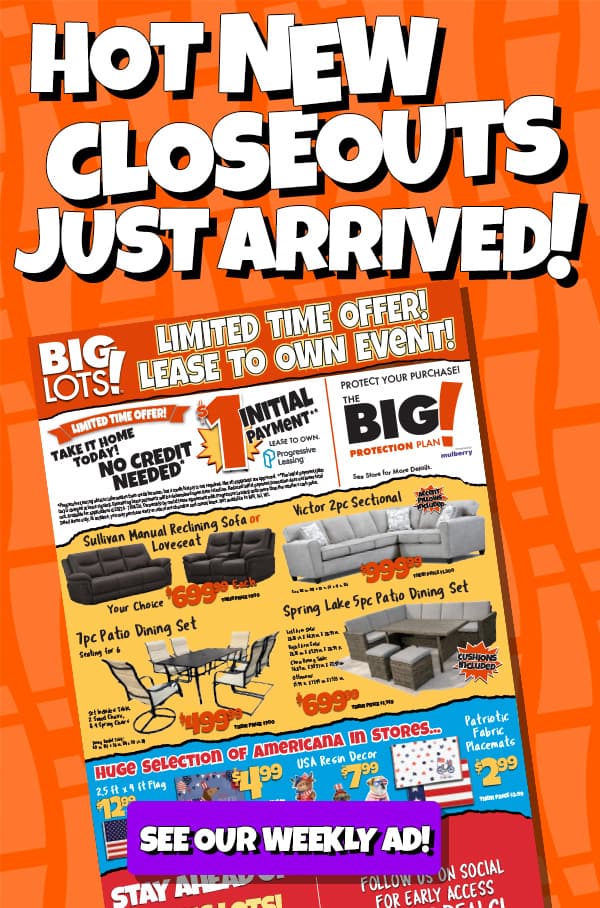
Shoppers are still buying, but only when the deal is obvious. For Big Lots, that means cleaner shelves, tighter promos, and a front end built around immediate value.
Shoppers are still spending, but they are shopping with a filter
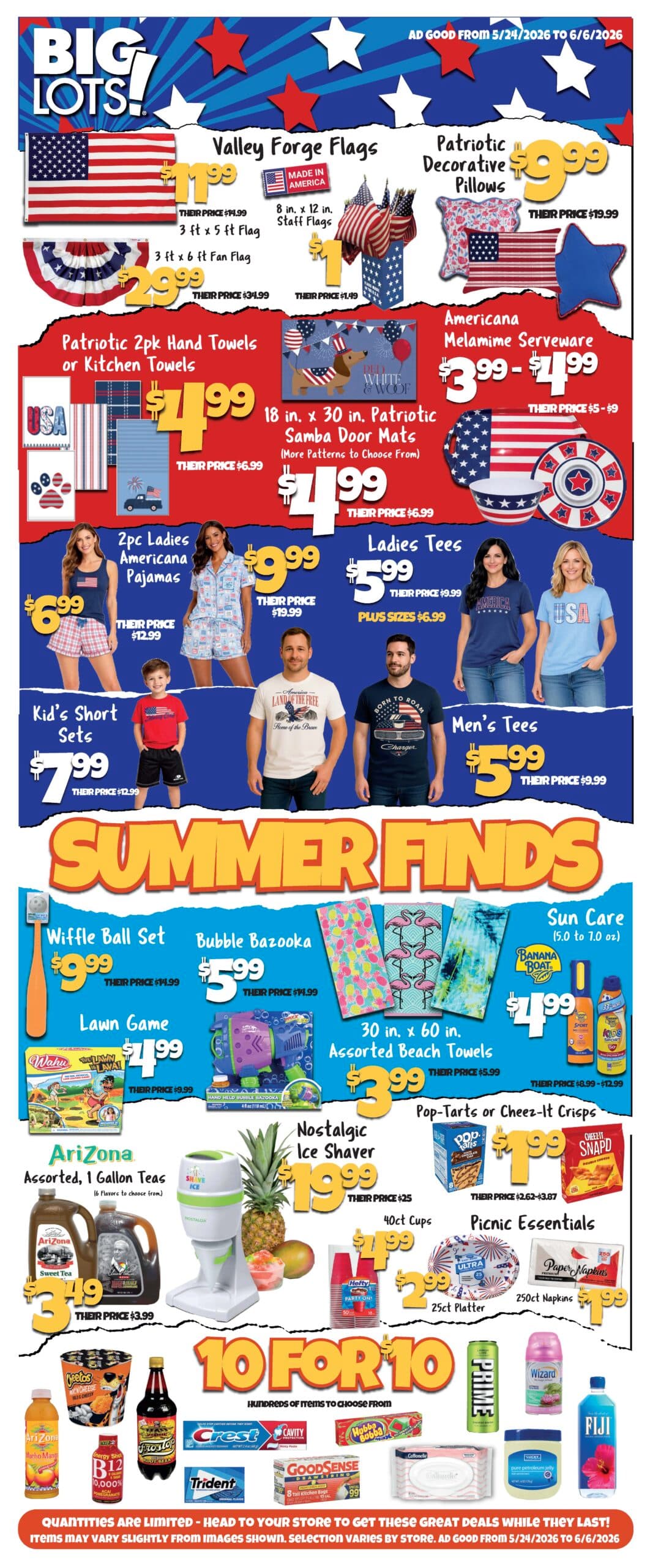
The clearest read from this week’s retail results is not that demand disappeared. It is that the customer got choosier. Axios pointed to Dollar Tree, Burlington, Best Buy and Kohl’s as evidence that shoppers are still willing to spend on bargains and small indulgences, but are increasingly selective as higher gas prices and everyday costs squeeze household budgets. That is the kind of shift Big Lots workers feel immediately on the floor: fewer casual buys, more scrutiny, and less patience for anything that does not look like a real deal.
Michael O’Sullivan’s latest Burlington update reinforces that point in a way store teams can use. Burlington released first-quarter fiscal 2026 results on May 28, 2026, and O’Sullivan said adjusted EPS grew 26% from a year earlier, marking the company’s 14th consecutive quarter of double-digit EPS growth. That is not just a Wall Street number. It is a signal that when value is clear and execution stays tight, customers still respond.
What that means in a Big Lots store
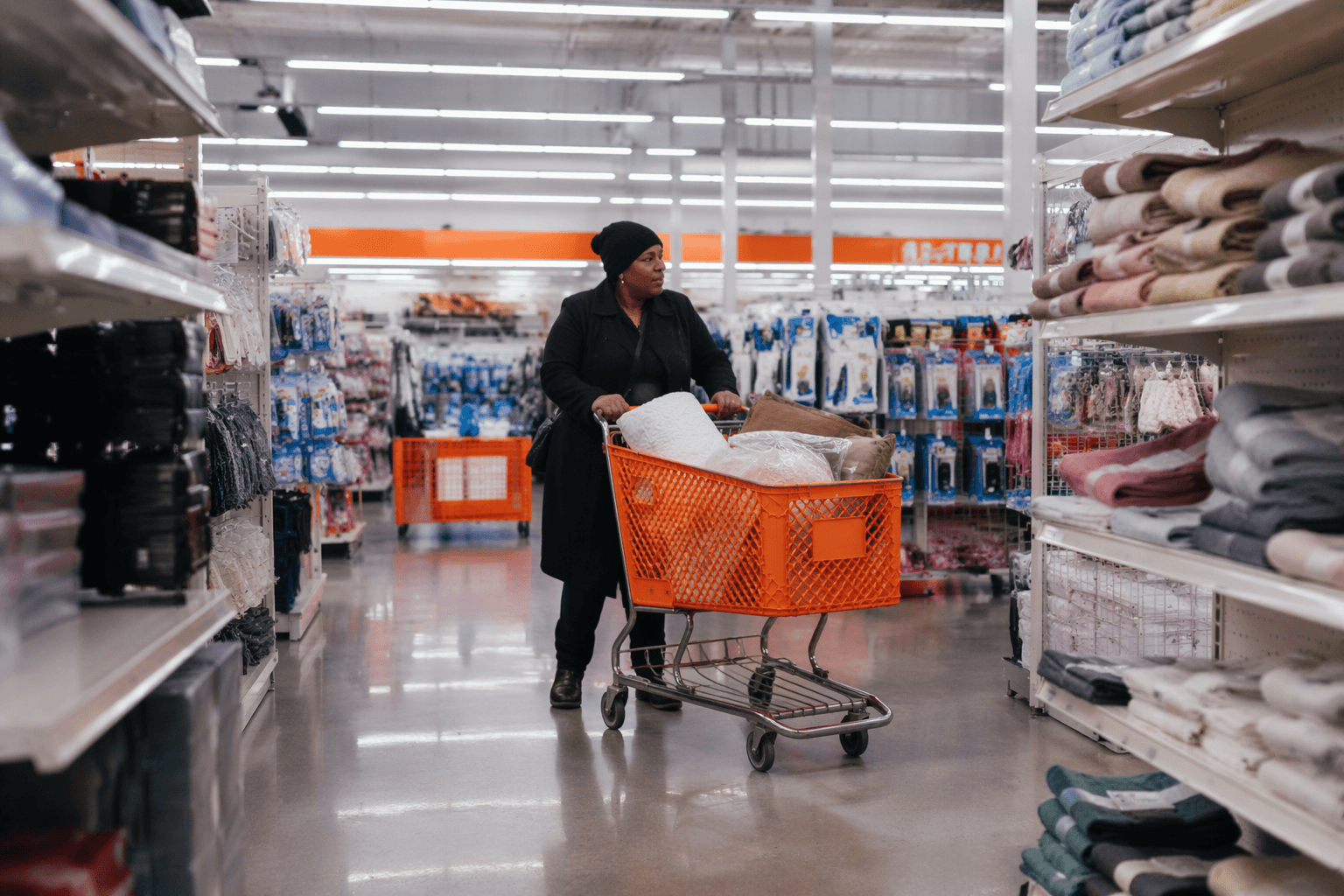
For Big Lots, the practical lesson is simple: shoppers are still buying, but they are buying with intent. That means more comparison shopping, more questions about markdown timing, and more pressure on categories that feel useful, practical, and easy to justify. A customer who is already hunting for savings will not spend much time decoding whether an item is worth it.
That puts a premium on the basics that sometimes get treated like background noise. Signage has to do more of the selling. Shelf organization has to make the price story easy to see. In-stock presentation matters more because a messy aisle creates doubt, and doubt kills impulse. Near the checkout, basket-building has to feel immediate and obvious, not like a scavenger hunt.
At the front end, the smartest move is not volume for volume’s sake. It is a value story that can be grasped in seconds. Staple items, small practical add-ons, and clearly priced seasonal promotions do more for conversion than a crowded display that forces customers to work for the savings. When shoppers are already price sensitive, the store has to prove the value before it asks for the sale.
Burlington shows what winning looks like right now
Burlington’s quarter matters because it shows the model still works when customers can instantly see the benefit. A 26% jump in adjusted EPS and a 14-quarter streak of double-digit growth suggest that shoppers are still willing to spend, but only when the bargain is clear and the store experience does not get in the way. That is the heart of the value-retail playbook right now: clarity, discipline, and execution.
For Big Lots, that is the sharper message than any broad consumer-sentiment read. The competition is not only on price, it is on confidence. If a shopper believes another store makes the deal easier to understand, the sale can be lost before the basket even reaches the register. In that sense, Burlington’s results are less a victory lap than a warning: value retail is still alive, but it rewards the chains that make value legible.
Why Big Lots’ own history makes this especially urgent
Big Lots has already lived through the downside of a value story that stopped landing. Former BL Stores, Inc., formerly Big Lots, Inc., and its subsidiaries filed voluntary Chapter 11 petitions on September 9, 2024, in the U.S. Bankruptcy Court for the District of Delaware. By December 19, 2024, the company said it planned to close all remaining stores and begin going-out-of-business sales after restructuring plans collapsed.
The financial deterioration leading up to that point was steep. Big Lots reported first-quarter fiscal 2024 net sales of about $1.009 billion, down 10.2% from $1.124 billion a year earlier, and comparable sales fell 9.9%. At the time, the company said it was on track to reach 75% bargains penetration and 50% extreme bargains penetration by year-end while pursuing more than $200 million in cumulative Project Springboard savings.
Those numbers matter because they show how hard it is for a chain built around closeout and bargain hunting to survive when traffic weakens and liquidity gets tight. Big Lots operated 1,392 stores and an e-commerce platform at the end of fiscal 2023 and early 2024, which underlines how quickly a large footprint can unravel when the value message no longer pulls customers in. The company’s longtime promise of unmistakable value was not just branding. It was the core of the business.
The store-level takeaway is value story, not volume story
That is why this week’s retail read-through should be taken as a floor-level operating guide, not an abstract sector note. Shoppers are still in the market, but they are being more deliberate about where they spend. The stores that win are the ones that make the bargain visible, the price easy to explain, and the basket easy to build.
- Push products that look practical first, not merely abundant.
- Keep markdowns and seasonal promotions simple enough to explain in one sentence.
- Make the front end work as a quick proof point for savings, not a cluttered afterthought.
- Treat clean stock, clear signs, and a fast answer to “why this one?” as part of the sale itself.
Big Lots’ own history shows the cost of missing that mark. The current retail environment shows the opportunity when the mark is hit. Customers are still spending, but only for value they can see immediately, and that should shape every decision from the aisle to the checkout line.
This article was produced by Prism’s automated news system from verified source data, official records, and press releases, then run through automated quality and moderation checks before publishing. The system is built and supervised by the people who set the standards it runs under. Read our full AI policy.
Did this article answer your question?